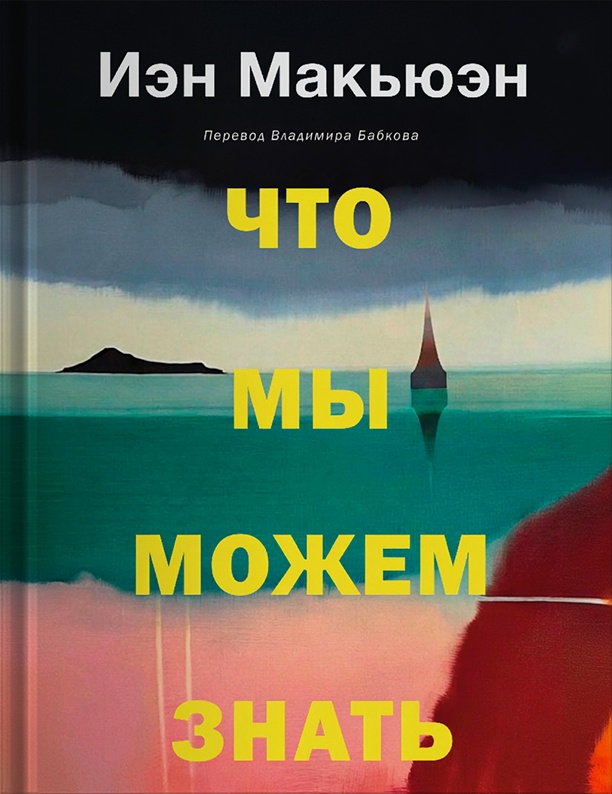
Иэн Макьюэн о своем романе:
«Я написал роман о поисках, преступлении, мести, славе, запутанных отношениях, психических расстройствах, любви к природе и поэзии, а также о том, как, несмотря на все бедствия, мы умудряемся выживать».
2014: Великая поэма была прочитана вслух на праздничном ужине, и с тех пор никто больше ее не слышал и не видел.
2119: Человечество приходит в себя после серии глобальных катастроф, природных и рукотворных. Выжившие тоскуют об утраченных возможностях былого мира. Том Меткаф, преподаватель университета на Британском архипелаге, изучает архивы нашей эпохи в поисках потерянной поэмы.
Том в XXII веке думает не о настоящем, не о будущем, а о прошлом — о нашей эпохе. Макьюэн как бы ставит себя на место интеллектуала, живущего столетие спустя, и пытается угадать, что люди будущего могли бы знать о нас (отсюда и название романа). Какими были люди 2010-х? Что они чувствовали? Как общались? Что ценили в любви и дружбе? Как занимались сексом? За каких политиков голосовали? Какие книги читали? И почему в конце концов им было настолько плевать на климатический кризис?
Этот прием Макьюэна работает невероятно удачно: искусственно созданная дистанция во времени позволяет трезво и не без иронии описать наше время.
Роман «Что мы можем знать» довольно жесток по отношению к нам, людям XXI века, но автор оставляет читателю что-то еще, кроме безнадежности: жить дальше возможно.
Ian McEwan on his novel:“I have written a novel about searching, crime, revenge, fame, tangled relationships, mental disorders, a love of nature and poetry, and about how, despite all the calamities, we manage to survive.”
2014: A great poem is read aloud at a celebratory dinner, and since then no one has heard or seen it again.2119: Humanity is recovering from a series of global catastrophes, natural and man-made. The survivors long for the lost possibilities of the former world. Tom Metcalfe, a university lecturer in the British archipelago, studies the archives of our era in search of the lost poem.
In the twenty-second century, Tom thinks not about the present or the future but about the past, our era. McEwan, as it were, puts himself in the place of an intellectual living a century later and tries to guess what the people of the future might know about us (hence the novel’s title). What were the people of the 2010s like? What did they feel? How did they communicate? What did they value in love and friendship? How did they have sex? Which politicians did they vote for? Which books did they read? And why, in the end, did they care so little about the climate crisis? McEwan’s device works remarkably well: the artificially created distance in time allows the writer to describe our age soberly and not without irony.
The novel What We Can Know is rather harsh toward us, the people of the twenty-first century, but the author leaves the reader with something besides hopelessness: it is possible to go on living.