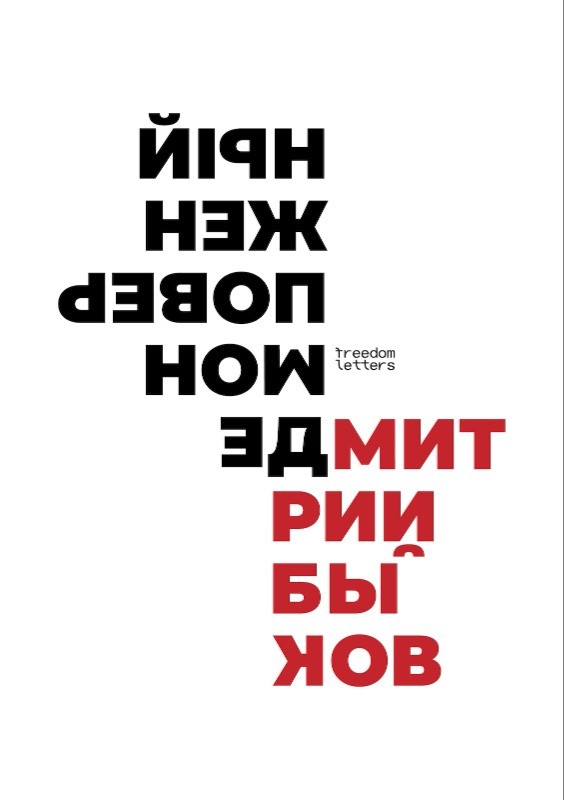
Эта книга задумывалась автором как учебник, а превратилась по мере работы над ней в исповедь человека, вложившего жизнь в погибшее, но от этого не менее интересное дело — исследование российской культуры. Больное порождение больной системы, русская культура обречена вместе с системой и погибнуть. Русская цивилизация, по мысли Дмитрия Быкова, может ещё какое-то время функционировать — институционально или физически, но не содержательно. Содержание проекта исчерпано, он пришел к логичному и неизбежному самоуничтожению. Из России начисто ушло, уехало или попросту вымерло то, за что Господь её терпел. А значит, автору приходится иметь дело с завершённым процессом — в этом принципиальная новизна предлагаемого исследования. Только законченный процесс и доступен изучению: для анализа русской культуры сегодня наступило оптимальное время, что и подтверждается всемирно возросшим интересом к ней. Разве не есть конечная цель всякой литературы — биографической, в частности, — понять, почему это так закончилось? Новая книга Дмитрия Быкова — до жестокости горькая, но при этом такая живая, такая страстная и горячая, что закрадывается сомнение: до конца ли верит сам автор в основной её постулат о смерти русской культуры?..
The author conceived this book as a textbook, but in the course of the work it turned into the confession of a man who has invested his life in a cause that has perished but is no less interesting for that — the study of Russian culture. A sick product of a sick system, Russian culture is doomed to perish together with the system. Russian civilization, in Dmitry Bykov’s view, may continue to function for some time — institutionally or physically, but not in substance. The project’s content is exhausted; it has arrived at a logical and inevitable self-destruction. Everything for which the Lord tolerated Russia has completely gone, left or simply died out. Which means the author is dealing with a completed process — and this is the fundamental novelty of the study. Only a finished process can be studied: the optimal time for analyzing Russian culture has now arrived, as the worldwide growth of interest in it confirms. Isn’t the ultimate goal of all literature — biographical literature in particular — to understand why it ended this way? Dmitry Bykov’s new book is bitter to the point of cruelty, yet so alive, so passionate and fervent, that a doubt creeps in: does the author himself fully believe its central postulate of the death of Russian culture?..