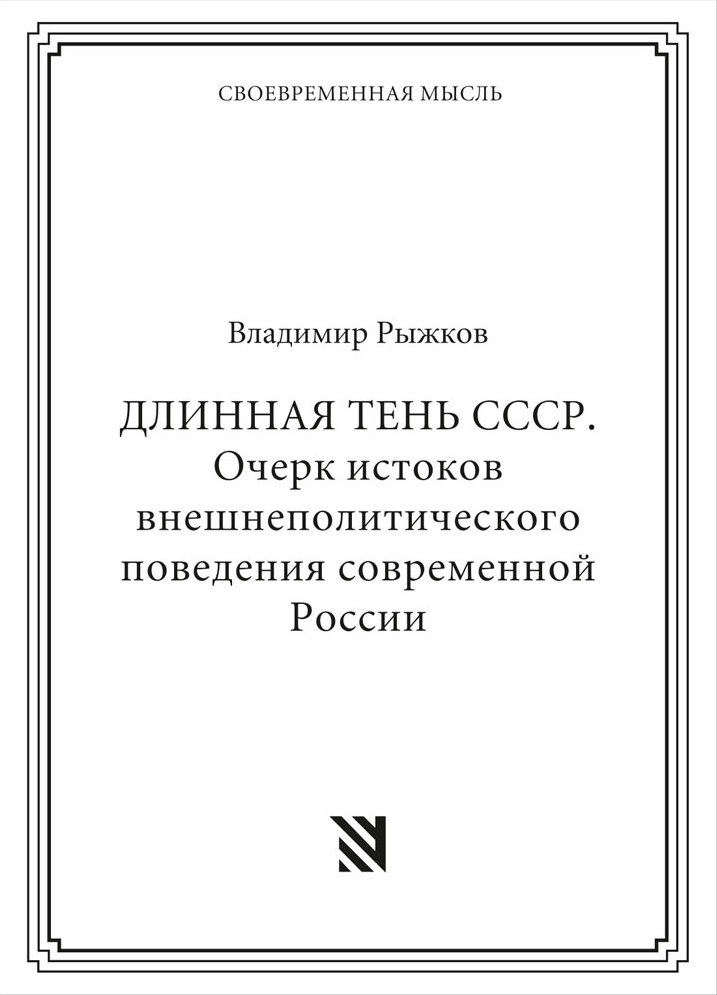
Эта книга о событиях уникального для истории России периода — от горбачевской перестройки до начала трагической войны с Украиной. О его действующих лицах и исполнителях. Автор анализирует, когда, как и почему случился отказ современной России от идеи и практики модернизации, движения к демократическому миру, как произошел возврат к «великому советскому прошлому», установлению после 2012 года путинского режима гибридного тоталитаризма с великодержавной идеологией, включая имперскую архаику, и переход к действиям откровенно репрессивного характера в отношении несогласных. Возможно ли появление новой российской внутренней и внешней политики и что для этого должно произойти? Ответы — о чем и книга — следует искать, по мнению автора, внутри российского общества. Особенно ценно то, что автор книги, Владимир Рыжков, рассказывает и анализирует ход событий не как сторонний наблюдатель, но как непосредственный их участник, будучи в относительно недавнем прошлом депутатом четырех созывов Государственной думы России.
This book is about the events of a period unique in Russian history — from Gorbachev’s perestroika to the start of the tragic war with Ukraine — and about its protagonists and actors. The author analyzes when, how and why modern Russia abandoned the idea and practice of modernization and movement toward the democratic world; how the return to the “great Soviet past” took place, with the establishment after 2012 of Putin’s regime of hybrid totalitarianism with a great-power ideology, including imperial archaism, and the transition to openly repressive actions against dissenters. Is a new Russian domestic and foreign policy possible, and what must happen for it to emerge? The answers — which is what the book is about — should be sought, in the author’s view, within Russian society. It is especially valuable that the author, Vladimir Ryzhkov, recounts and analyzes the course of events not as an outside observer but as a direct participant, having been, in the relatively recent past, a deputy of the Russian State Duma for four convocations.