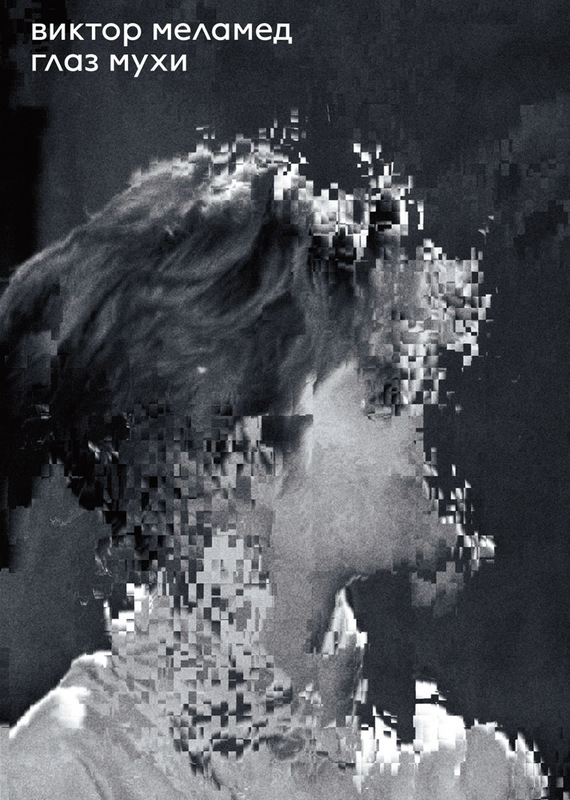
В романе «Глаз мухи» голос, анатомию и характер обретает то, что здесь нельзя назвать, не заспойлерив главную интригу. Но вдумчивый читатель поймет, о чем речь, уже на первых страницах. Мы привыкаем к пассивному присутствию этой вещи, но у Меламеда она — токсичный и деспотичный сожитель, вмешивается во все, от секса до геополитики, врет, манипулирует, утешает и истязает. Меламед пишет как рисует: легко, экономно и агрессивно, меняя регистры, скорости и оптику. Это текст, который прочтешь за час — и сразу начнешь заново.
In the novel The Eye of the Fly, a voice, anatomy, and character are given to something that cannot be named here without spoiling the main plot. Yet, a discerning reader will understand what it is within the first few pages.
We have grown accustomed to the passive presence of this thing. But in Melamed’s hands, it becomes a toxic and despotic roommate who interferes in everything from sex to geopolitics—lying, manipulating, consoling, and torturing. Melamed writes as he draws: fluidly, economically, and aggressively, changing registers, tempos, and lenses. It is a text that you can fly through in an hour—and then immediately start over again.