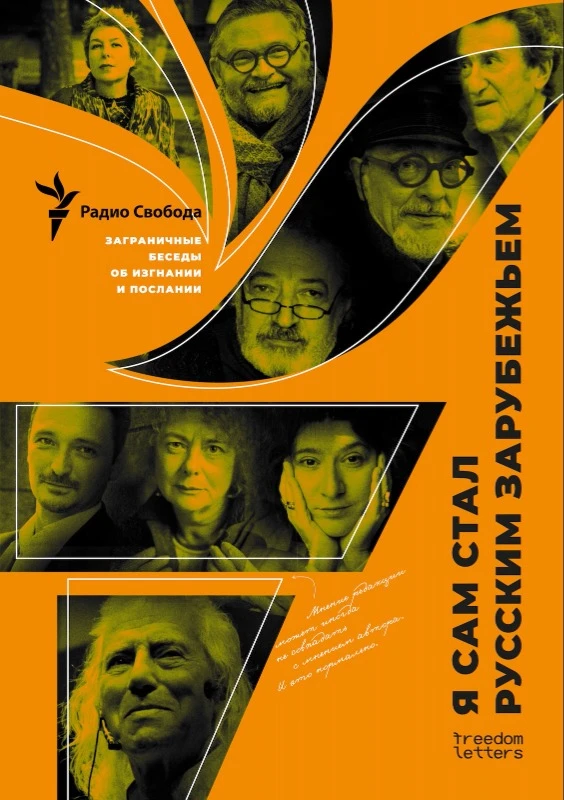
Зарубежье — понятие не только географическое или политическое, но и культурное, этическое, психологическое. У зарубежья свои оси координат, традиции, правила поведения. Это своеобразное чистилище, в котором эмигрант, беженец, релокант проверяет себя на экзистенциальную прочность. Причины отъезда у каждого свои: отвращение к порядкам, сложившимся в России, идейное несогласие с войной и режимом. У украинцев причины гораздо страшнее: бомбежки, горе, смерть, пришедшие в их дома. Но будущее у всех сходное: необходимость построить вторую жизнь, сохранить себя и свое слово, найти опору в чужой стране. В этом сборнике говорят те, кто создает культурный код новой России за пределами ее границ: поэты и художники, режиссеры и ученые, актеры и переводчики. Их голоса складываются в пеструю, горькую и пронзительную картину сегодняшнего русского зарубежья, в котором рождается пространство свободы, диалога и личной ответственности.
Being abroad — the Russian “zarubezhie” — is not only a geographical or political notion but also a cultural, ethical and psychological one. Life abroad has its own coordinate axes, traditions and rules of behavior. It is a kind of purgatory in which the emigrant, the refugee, the relocant tests his existential strength. Everyone has their own reasons for leaving: revulsion at the order that has taken hold in Russia, ideological disagreement with the war and the regime. For Ukrainians the reasons are far more terrible: bombing, grief and death that came into their homes. But everyone’s future is similar: the need to build a second life, to preserve themselves and their word, to find a footing in a foreign country. In this collection, those who are creating the cultural code of a new Russia beyond its borders speak: poets and artists, directors and scholars, actors and translators. Their voices add up to a motley, bitter and piercing picture of today’s Russian diaspora, in which a space of freedom, dialogue and personal responsibility is being born.