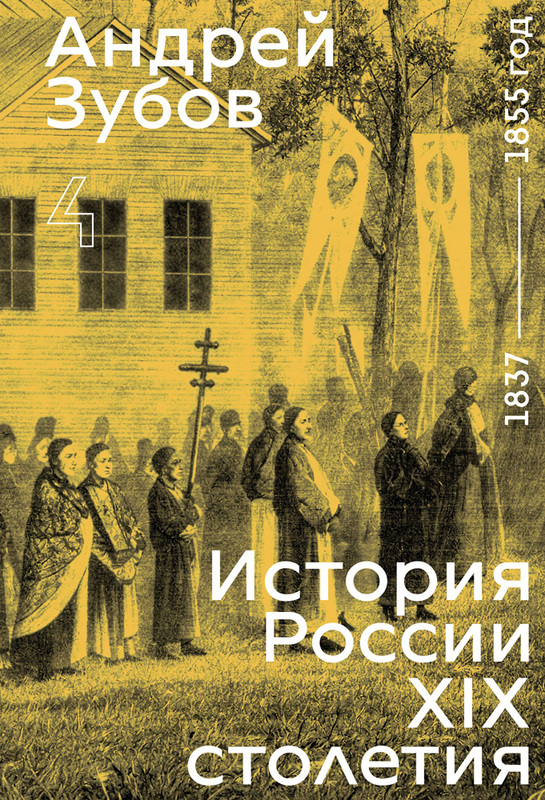
Четвёртый том посвящён середине и завершению царствования императора Николая I. Шаг за шагом Николай Павлович отказывается от осуществления проектов реформ, которые завещал ему Александр I для перехода от абсолютизма к конституционному представительному правлению. Несмотря на бумажную активность многочисленных секретных комитетов, крепостное рабство не было ни отменено, ни даже существенно ограничено. Гимназическое и университетское образование становится прерогативой высших сословий, да и для них жёстко ограничивается всё более свирепеющей цензурой и прекращением международных культурных контактов. Бюрократия, лишённая контроля со стороны общества, утопает в коррупции и не способна направить Россию по пути быстрого хозяйственного развития, промышленной революции, за которой Николаевская империя совершенно не поспевает. Но Царь, оставаясь уверенным в военном могуществе «его страны», идёт на новые внешнеполитические авантюры, щедро тратя на них кровь русских солдат и народные деньги. Это долгое царствование завершается никому не нужной Крымской войной и позорным поражением в ней.
The fourth volume is devoted to the middle and end of the reign of Emperor Nicholas I. Step by step, Nicholas abandons the reform projects bequeathed to him by Alexander I for the transition from absolutism to constitutional representative government. Despite the paperwork of numerous secret committees, serfdom was neither abolished nor even significantly restricted. Gymnasium and university education became the prerogative of the upper estates, and even for them it was severely restricted by ever more ferocious censorship and the cutting off of international cultural contacts. The bureaucracy, free of any oversight by society, drowned in corruption and was incapable of setting Russia on the path of rapid economic development and the industrial revolution, with which the Nicholaevan empire utterly failed to keep pace. But the Tsar, still confident in the military might of “his country,” embarked on new foreign adventures, lavishly spending the blood of Russian soldiers and the people’s money on them. This long reign ended with the needless Crimean War and a shameful defeat in it.