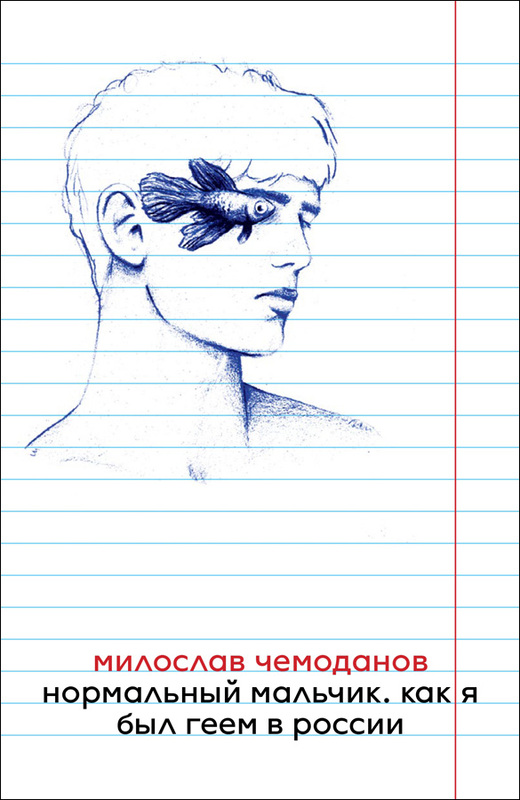
Эта история взросления «нормального мальчика» откликнется множеству людей. Ее автор, Милослав Чемоданов, в 2010-х был заметной фигурой в медиасфере: главред The Village и «Кинопоиска», редактор в Афише, Time Out и Playboy, организатор популярных вечеринок CHERTi Party, диджей… В феврале 2022 года Милослав уехал из России и теперь живет и работает баристой в Нью-Йорке.
«Нормальный мальчик. Как я был геем в России» — это откровенный рассказ о долгом пути к принятию себя. О детстве в закрытом уральском городке, о школьном буллинге, о сложных чувствах, которые приходится скрывать. И даже столичная свобода не избавляет от привитого страха и неуверенности в себе. Автор раскрывает стороны жизни, о которых не принято говорить: уязвимость, стыд, первые сексуальные переживания, болезненные и запутанные отношения. Найдется место и самоиронии, и юмору, и байкам из закулисья светской жизни.
В гомофобном обществе, где индивидуальность провоцирует жестокость, а чувства считаются слабостью, автор приходит к выводу: счастье — не стать удобным для других, а перестать предавать самого себя.
This coming-of-age story of a “normal boy” will resonate with many readers. Its author, Miloslav Chemodanov, was a prominent figure in the media world of the 2010s: editor-in-chief of The Village and Kinopoisk, an editor at Afisha, Time Out and Playboy, organizer of the popular CHERTi Party events, a DJ… In February 2022 Miloslav left Russia; he now lives in New York and works as a barista.
Normal'nyi malchik. Kak ia byl geem v Rossii is a candid account of a long road to self-acceptance: a childhood in a closed town in the Urals, bullying at school, complicated feelings that had to be hidden. Even the freedom of the capital does not rid him of the fear and self-doubt instilled in him early on. The author opens up sides of life that people usually don’t talk about: vulnerability, shame, first sexual experiences, painful and tangled relationships. There is room, too, for self-irony, humor and backstage stories from the world of high society.
In a homophobic society where individuality provokes cruelty and feelings are seen as weakness, the author arrives at a conclusion: happiness lies not in becoming convenient for others, but in ceasing to betray yourself.