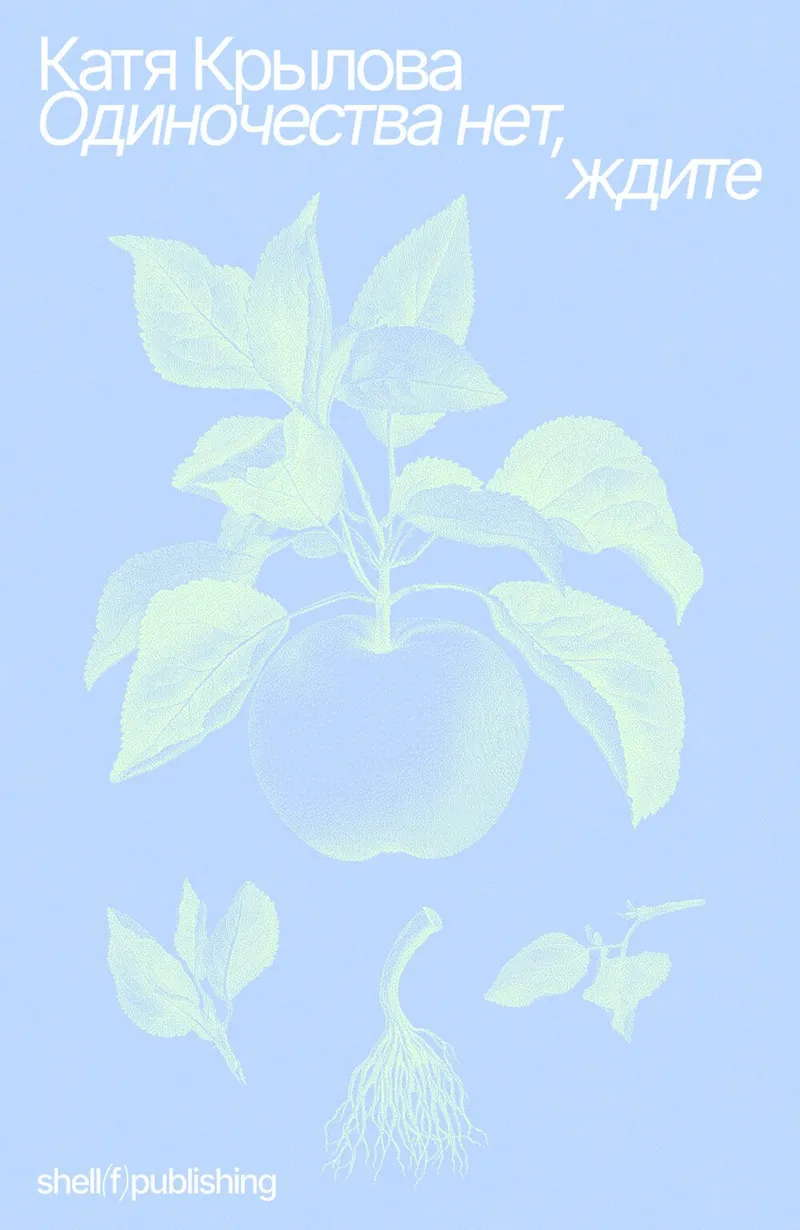
«Одиночества нет, ждите» — роман-созвездие о матери, детстве, взрослении, патриархате и невозможности одиночества. В этюдах о позднесоветской и постсоветской жизни автогероиня рассуждает о вынужденной эмансипации женщин из рабоче-крестьянских семей, бегущих из деревень в Москву. Как и ее подруги, мать Кати не осознает давления патриархального уклада и не стремится противостоять ему, не грезит образованием и карьерой, но хочет вырваться из бедности и тесноты, создать другую, благополучную семью по привычным лекалам. Неокончательное отделение становится общей судьбой матери и дочери: первая постоянно возвращается в деревню к родителям и лесу, вторую обстоятельства снова и снова отбрасывают туда, где для нее уже нет места. Размышляя о стремлении и невозможности отсоединиться от людей и идей, которые тянут на дно, автогероиня осознает себя неприкаянным плодом, далеко укатившимся от яблони в профессиональном плане, в личном — застрявшей среди материнских корней.
Odinochestva net, zhdite is a constellation novel about a mother, childhood, growing up, patriarchy and the impossibility of solitude. In sketches of late Soviet and post-Soviet life, the autoheroine reflects on the forced emancipation of women from working-class and peasant families fleeing the villages for Moscow. Like her friends, Katya’s mother is unaware of the pressure of the patriarchal order and does not try to resist it; she does not dream of an education or a career, but wants to escape poverty and cramped quarters and build a different, prosperous family along familiar lines. An unfinished separation becomes the shared fate of mother and daughter: the mother keeps going back to the village, to her parents and the forest, while circumstances throw the daughter back again and again to a place where there is no longer room for her. Reflecting on the desire — and the impossibility — of breaking away from the people and ideas that drag her down, the autoheroine comes to see herself as a restless fruit that has rolled far from the apple tree professionally, but personally remains stuck among her mother’s roots.