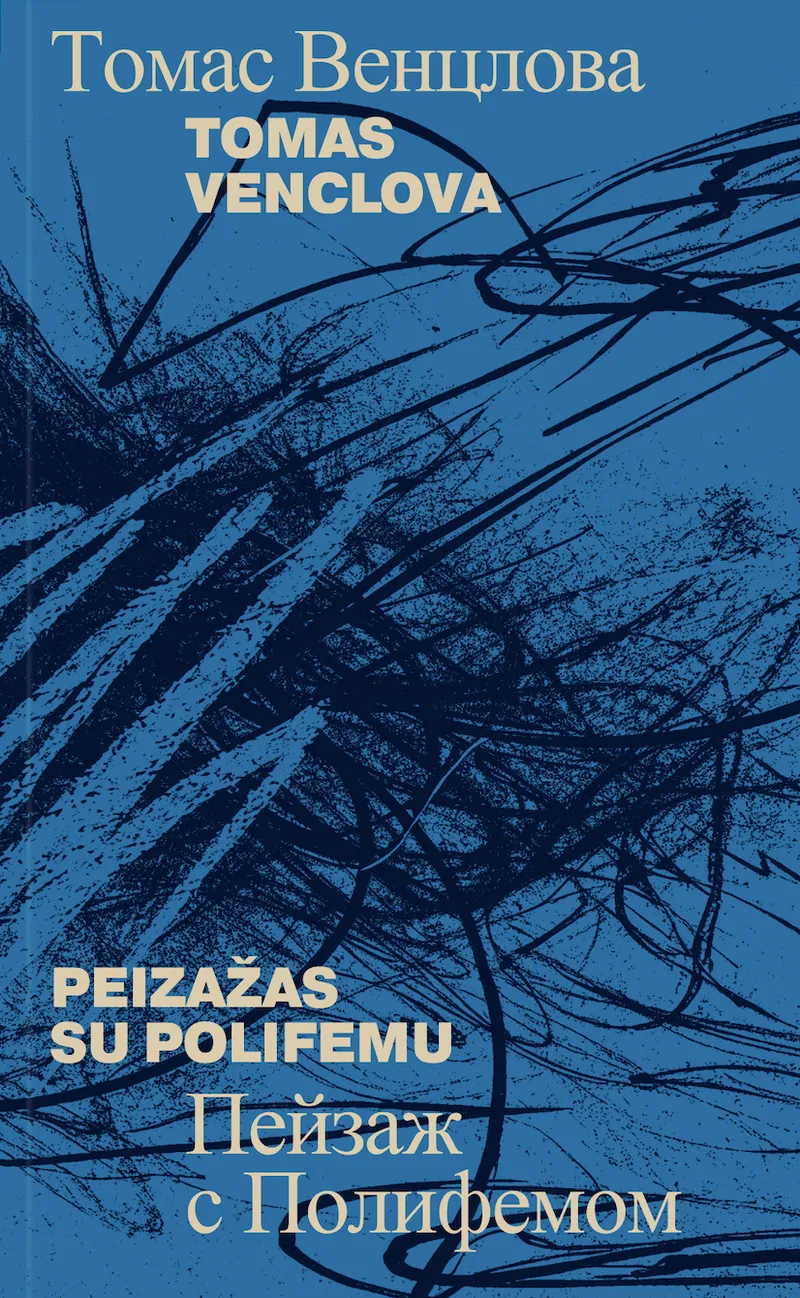
Это стихи про то, что бывает потом – после подвига, лишений, славы. Когда судьба героя уже почти растворяется в забвении. Когда судьба свершена, как мы узнаем из этой книги, поэту-герою остается особое, гибридное поле деятельности – вспоминание-наблюдение. В этой работе мне видится смысл и победа «Пейзажа с Полифемом». -- Полина Барскова
“Томас Венцлова по природе своей неутомимый странник. Как Одиссей, о котором уместно вспомнить, читая сборник «Пейзаж с Полифемом». Его автор обставляет мир задумчивыми метафорами и примеряет, как тот же Одиссей, чужие маски. Обращаясь к неблизком сферам, он уверен, что «ловит даль голосá». И эта строка напоминает о посвященных ему стихах Бродского: «Только звук отделяться способен от тел, вроде призрака, Томас».” – Александр Генис
“These are poems about what happens afterward – after the great deed, after deprivations, after glory. When the fate of the hero is already dissolving into oblivion. When your fate has already been accomplished, as we learn from this book, the poet-hero is relegated to a special, hybrid space of activity: recollection and observation. This kind of work is where I see the sense and the triumph of Landscape with Polyphemus.” – Polina Barskova
PRAISE
“Tomas Venclova is by nature a tireless wanderer. Like Odysseus, whom one might well call to mind when reading Landscape with Polyphemus. Venclova fits out the world with thoughtful metaphors and, again like Odysseus, tries on the masks of others. Addressing remote spheres, he is sure that he is ‘catching the voices afar.’ And this line of his recalls the poem Brodsky dedicated to him: ‘Only sound is able to separate from a body, like a ghost, Tomas.’” – Alexander Genis