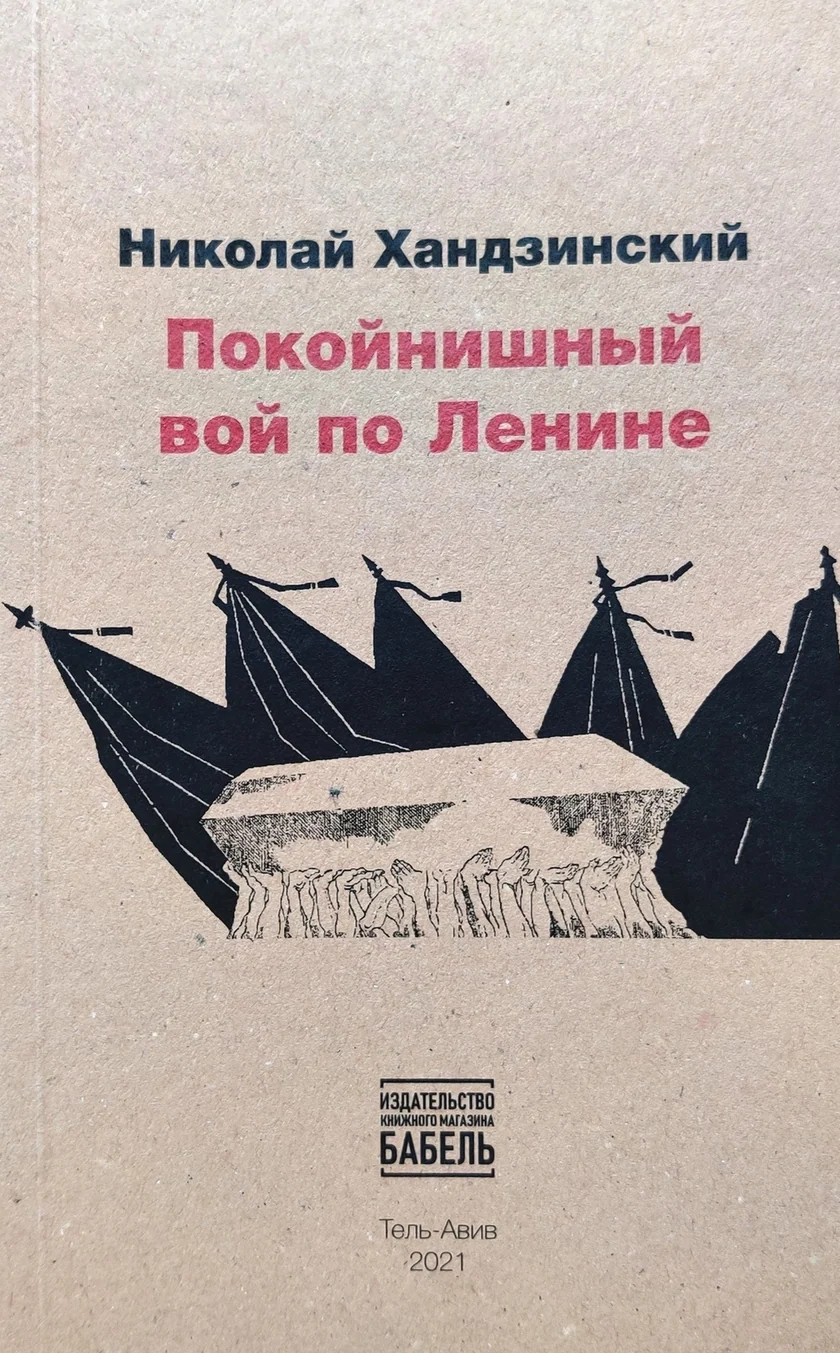
Может ли язык плача стать инструментом сатиры? «Покойнишный вой по Ленине» Николая Хандзинского — это уникальный литературный артефакт, извлеченный из небытия. Написанное в 1920-е годы, это произведение представляет собой дерзкий эксперимент, где советский новояз сталкивается с архаикой народного плача.
Автор создает фантасмагорическую картину всенародной скорби, используя форму традиционного причитания для описания смерти вождя революции. Этот стилистический диссонанс рождает мощный гротескный эффект, обнажая абсурдность и квазирелигиозный характер раннего советского культа. Текст балансирует на грани между искренним народным горем и изощренной интеллектуальной пародией.
Книга ценна не только как исторический документ, но и как блестящий образец языковой игры. Хандзинский виртуозно работает со сказом, создавая плотную, почти физически ощутимую словесную ткань. Издание, подготовленное издательством «Бабель», возвращает читателю забытое имя и позволяет увидеть эпоху 20-х годов с неожиданного ракурса — через призму смеховой культуры и фольклора.
Рекомендуется филологам, историкам литературы и ценителям языковых экспериментов. Это чтение для тех, кто готов оценить смелость формы и глубину иронии, скрытой за маской народной простоты.
Can the language of lamentation become an instrument of satire? Pokoishnyi voi po Lenine (Funeral Wail for Lenin) by Nikolai Khandzinsky is a unique literary artifact, retrieved from oblivion. Written in the 1920s, it is a daring experiment in which Soviet newspeak collides with the archaic idiom of the folk lament.
The author creates a phantasmagorical picture of national grief, using the form of the traditional lament to describe the death of the leader of the revolution. This stylistic dissonance produces a powerful grotesque effect, exposing the absurdity and quasi-religious character of the early Soviet cult. The text balances on the edge between sincere popular grief and sophisticated intellectual parody.
The book is valuable not only as a historical document but also as a brilliant example of linguistic play. Khandzinsky works virtuosically with skaz, creating a dense, almost physically palpable verbal fabric. The edition, prepared by the Babel publishing house, returns a forgotten name to the reader and makes it possible to see the 1920s from an unexpected angle, through the lens of laughter culture and folklore.
Recommended for philologists, literary historians, and connoisseurs of linguistic experiments. This is reading for those who are ready to appreciate the boldness of the form and the depth of the irony hidden behind the mask of folk simplicity.