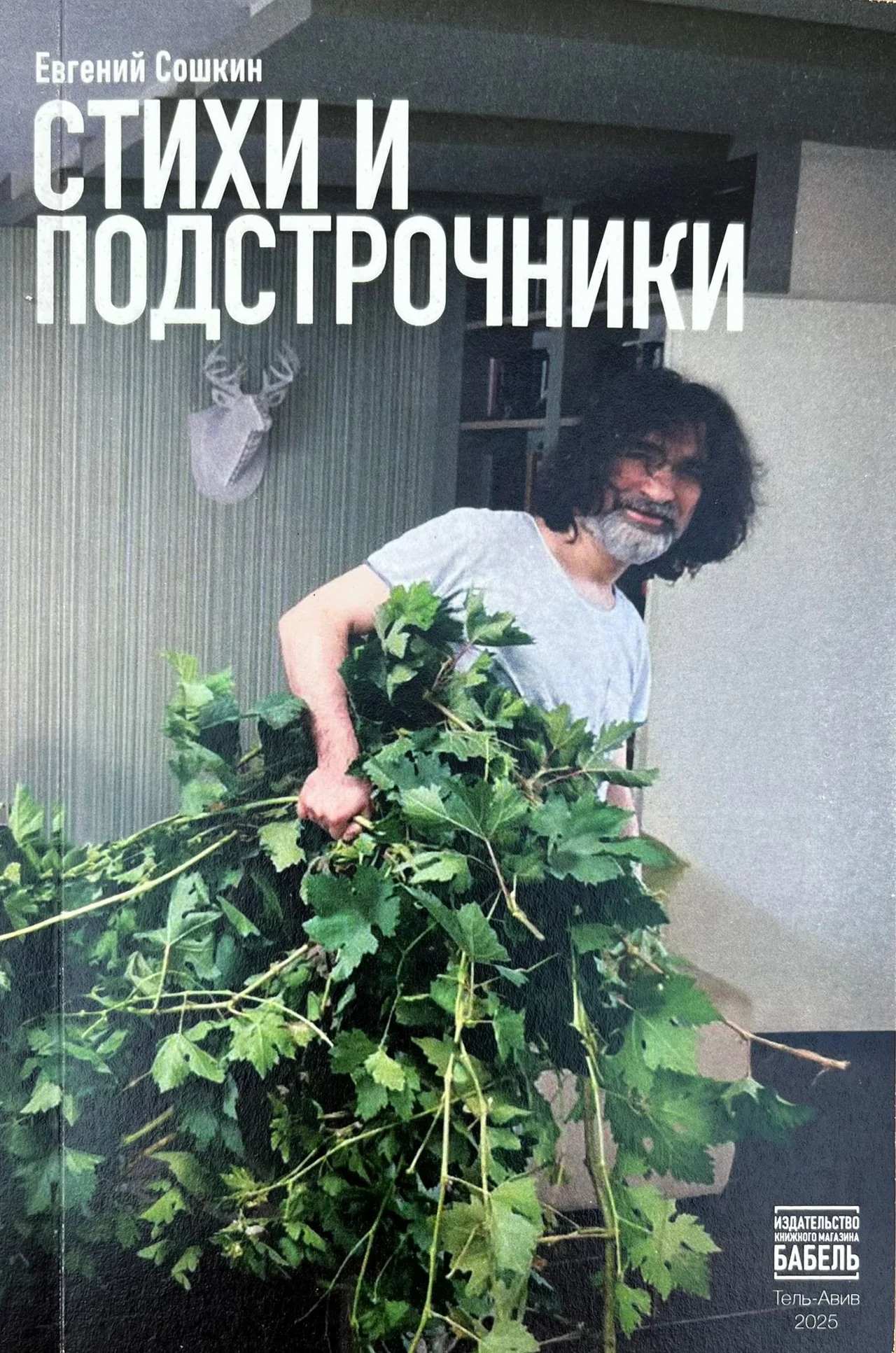
Что происходит со словом, когда оно пересекает границу? Книга Евгения Сошкина, поэта и филолога, живущего в Израиле, — это не просто сборник стихов, а попытка зафиксировать тончайшие вибрации языка, оказавшегося в новом культурном пространстве. «Стихи и подстрочники» — это приглашение к медленному, вдумчивому чтению, где каждое слово имеет двойное дно.
В центре книги — диалог двух языков, двух культур и двух способов мировосприятия. Сошкин исследует, как русская поэтическая традиция преломляется в ивритской реальности, создавая новые, неожиданные смыслы. Это поэзия для тех, кто ценит не только красоту формы, но и интеллектуальную игру, скрытую за строками.
Главная ценность этих текстов — в их герметичной глубине и филигранной работе с языком. Атмосфера книги — это атмосфера кабинета ученого и мастерской поэта одновременно, где из знакомых элементов рождается нечто совершенно новое. Это литература, которая требует от читателя соучастия, предлагая взамен редкое интеллектуальное удовольствие.
Эта книга станет настоящим открытием для ценителей современной интеллектуальной поэзии, филологов и всех, кто интересуется жизнью русского языка за его пределами. Она для тех, кто готов к неспешному погружению в текст и любит разгадывать культурные шифры, оставленные автором.
What happens to a word when it crosses a border? This book by Evgeny Soshkin, a poet and philologist living in Israel, is not just a collection of poems but an attempt to capture the finest vibrations of a language that has found itself in a new cultural space. Stikhi i podstrochniki (Poems and Interlinear Translations) is an invitation to slow, thoughtful reading, in which every word has a false bottom.
At the center of the book is a dialogue between two languages, two cultures, and two ways of perceiving the world. Soshkin explores how the Russian poetic tradition is refracted in Hebrew reality, creating new, unexpected meanings. This is poetry for those who value not only beauty of form but also the intellectual play hidden behind the lines.
The chief value of these texts lies in their hermetic depth and filigree work with language. The atmosphere of the book is that of a scholar’s study and a poet’s workshop at once, where something entirely new is born from familiar elements. This is literature that demands complicity from the reader, offering in return a rare intellectual pleasure.
This book will be a real discovery for connoisseurs of contemporary intellectual poetry, for philologists, and for everyone interested in the life of the Russian language beyond its borders. It is for those who are ready for an unhurried immersion in the text and who like to decipher the cultural codes left by the author.