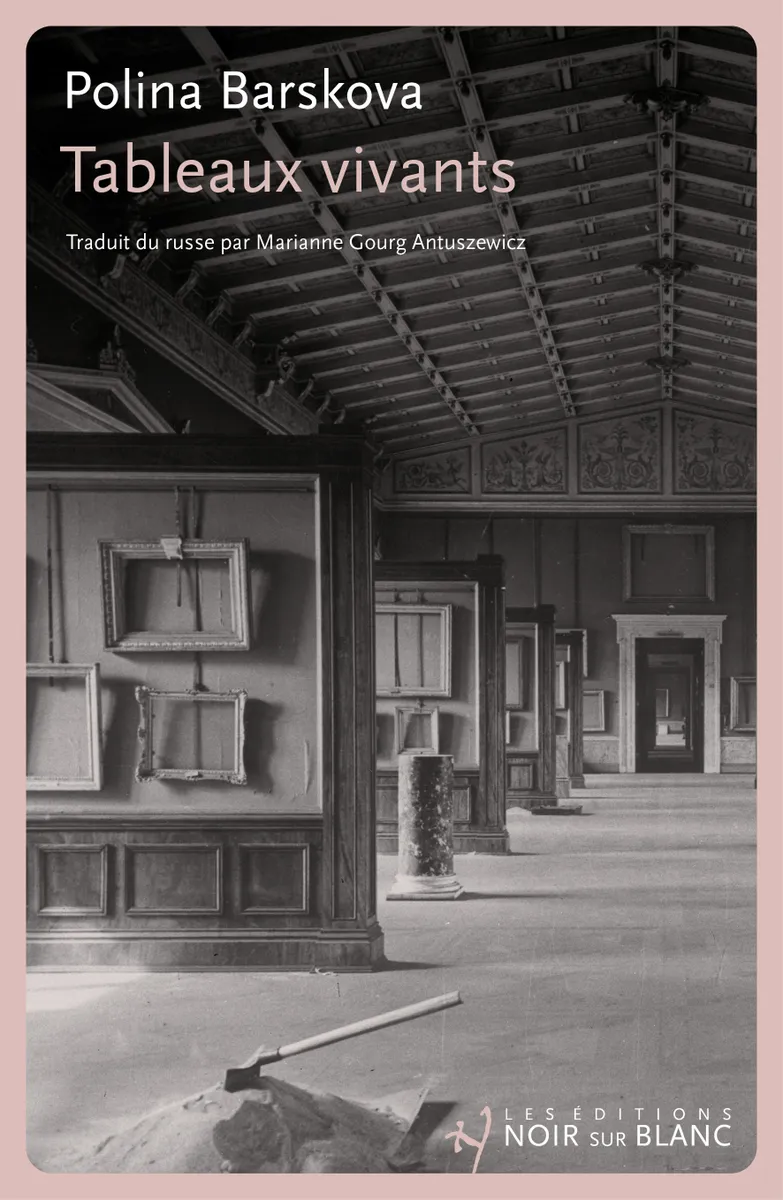
Saint-Pétersbourg/Leningrad, la ville de Pouchkine, Biely et Akhmatova, qui a subi un terrible blocus entre 1941 et 1944, est le cœur imaginaire de Tableaux vivants. Au théâtre, les tableaux vivants sont des représentations où les acteurs se costument pour faire revivre des scènes historiques. Polina Barskova invoque cette tradition pour aborder les thèmes de la mémoire et de la survie. Venue à la littérature par la poésie, Barskova est également connue comme spécialiste du siège de Leningrad pendant la Deuxième Guerre mondiale. C’est la question de la survie, et ce que cela signifie d’être un survivant, que l’écrivaine explore dans ce bref et éblouissant mélange littéraire.
Polina Barskova écrit avec un humour caustique et un pouvoir d’invention prodigieux sur les traumas passés et présents, historiques et autobiographiques, explorant la manière dont nous faisons face aux expériences qui défient toute compréhension. Elle parle de ses relations avec son père adoptif et son père biologique ; elle parle de sexe, consenti ou non ; de la mort d’un amant ; de Turner et de Picasso ; et, dans le dernier texte, celui qui donne son nom au recueil, elle décrit deux amants qui s’abritent dans le musée de l’Ermitage durant le siège de Leningrad, et qui en viennent lentement, désespérément, à mettre en scène leur propre mort.
St. Petersburg/Leningrad, the city of Pushkin, Bely and Akhmatova, which endured a terrible siege between 1941 and 1944, is the imaginative heart of Tableaux vivants. In the theater, tableaux vivants are performances in which actors dress in costume to bring historical scenes back to life. Polina Barskova invokes this tradition to address the themes of memory and survival. Having come to literature through poetry, Barskova is also known as a specialist in the siege of Leningrad during the Second World War. It is the question of survival, and what it means to be a survivor, that the writer explores in this brief and dazzling literary medley.
Polina Barskova writes with caustic humor and prodigious inventiveness about past and present traumas, historical and autobiographical, exploring how we cope with experiences that defy all understanding. She writes about her relationships with her adoptive father and her biological father; about sex, consensual or not; about the death of a lover; about Turner and Picasso; and, in the final text, the one that gives the collection its title, she describes two lovers who take shelter in the Hermitage Museum during the siege of Leningrad and who slowly, desperately, come to stage their own deaths.