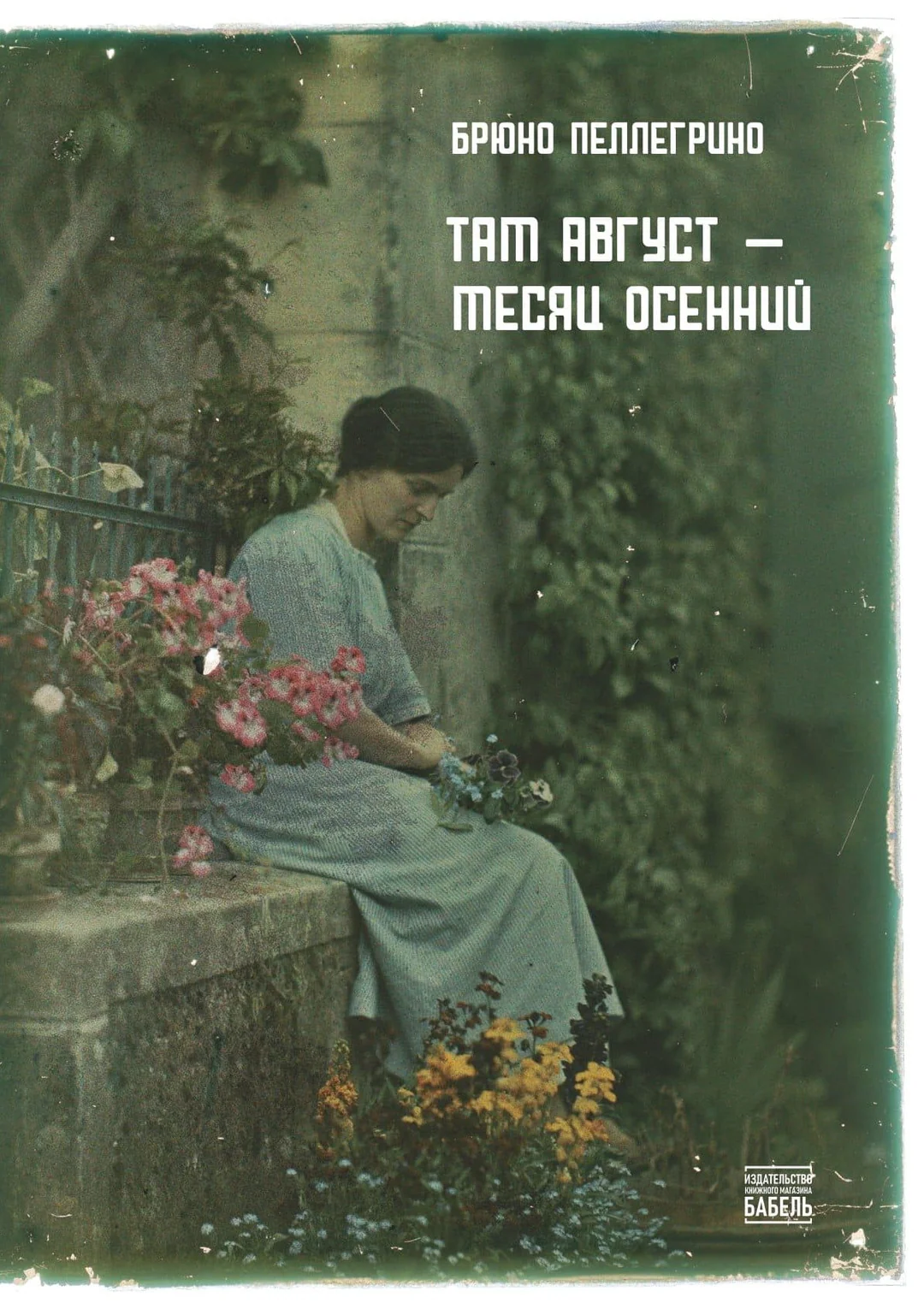
Можно ли воссоздать жизнь человека по обрывкам писем, фотографий и чужих воспоминаний? Роман Брюно Пеллегрино — это не биография, а элегантное литературное расследование, попытка уловить призрак великой писательницы-модернистки Джуны Барнс.
Рассказчик путешествует по следам Барнс, пытаясь понять, как она жила и работала над своим главным романом «Ночной лес». Поездка в Англию, в заброшенный особняк, где Барнс провела несколько лет, становится путешествием во времени. Прошлое и настоящее переплетаются, а поиски писательницы превращаются в поиски самого себя.
Главная ценность этой книги — в ее утонченной атмосфере и изысканном стиле. Это меланхоличная, поэтичная проза, которая не дает прямых ответов, а создает настроение. Роман построен как мозаика из фактов, домыслов, цитат и личных впечатлений, погружая читателя в мир богемного Парижа и предвоенной Европы.
Эта книга — подарок для ценителей интеллектуальной, несуетливой прозы и творчества модернистов начала XX века. Она понравится тем, кто любит размышлять о природе памяти, творчества и о том, как тени прошлого влияют на нашу сегодняшнюю жизнь.
Can a person’s life be recreated from scraps of letters, photographs, and other people’s memories? Bruno Pellegrino’s novel is not a biography but an elegant literary investigation, an attempt to catch the ghost of the great modernist writer Djuna Barnes.
The narrator travels in Barnes’s footsteps, trying to understand how she lived and how she worked on her major novel, Nightwood. A trip to England, to the abandoned mansion where Barnes spent several years, becomes a journey through time. Past and present intertwine, and the search for the writer turns into a search for the narrator himself.
The book’s chief value lies in its refined atmosphere and exquisite style. This is melancholy, poetic prose that gives no direct answers but creates a mood. The novel is built as a mosaic of facts, conjectures, quotations, and personal impressions, immersing the reader in the world of bohemian Paris and prewar Europe.
This book is a gift for connoisseurs of intellectual, unhurried prose and of the work of the early twentieth-century modernists. It will appeal to those who like to reflect on the nature of memory and creativity, and on how the shadows of the past affect our lives today.