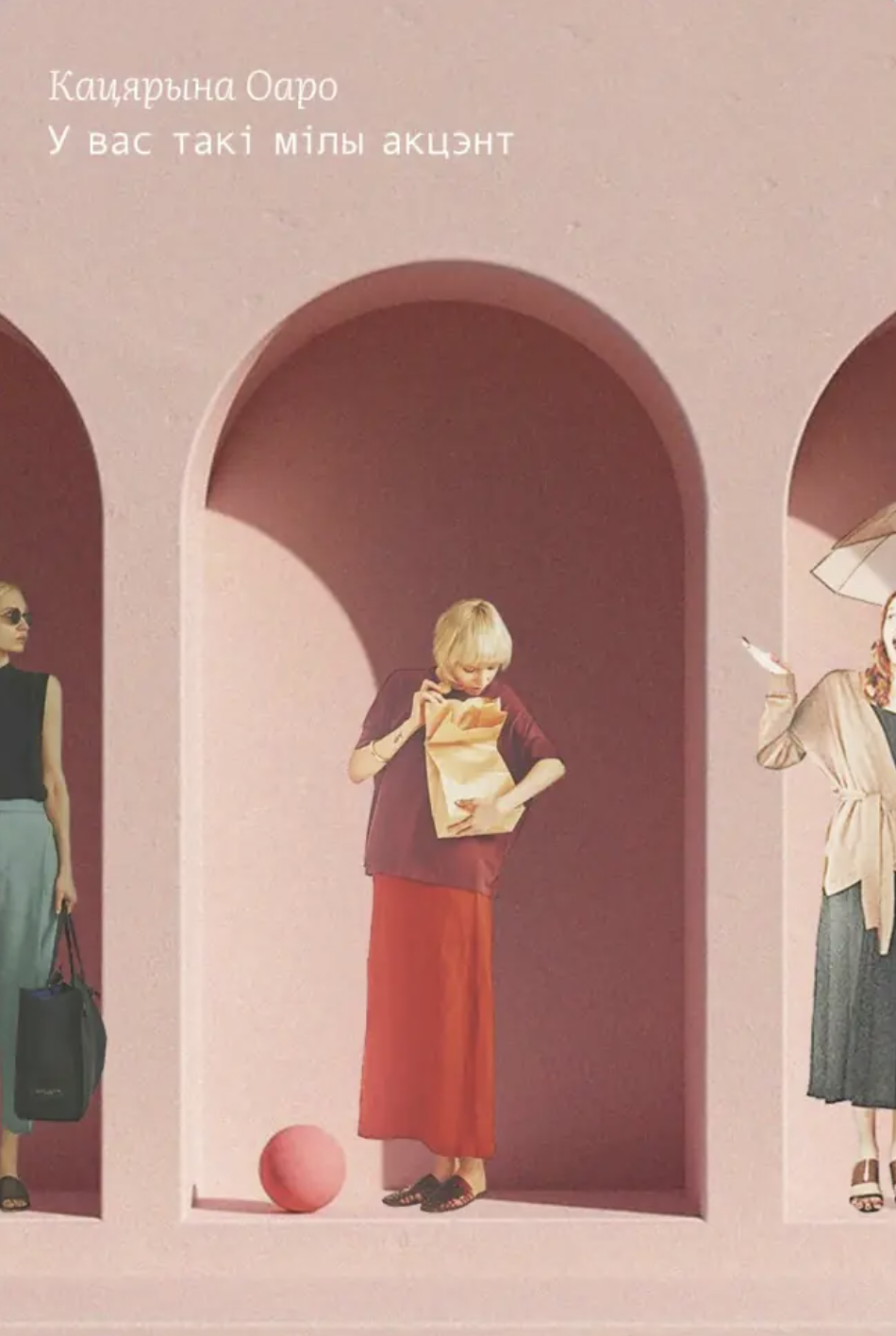
Ёсць словы, якія ў чужой краіне чуеш часцей за іншыя — і "у вас такі мілы акцэнт" адно з іх. Спачатку ў іх чуеш цікаўнасць і цеплыню, а потым разумееш: гэта ветлівы спосаб сказаць "вы адкуль?", "вы не адна з нас".
Кацярына Оаро, пісьменніца з Беларусі і аўтарка кніг "Сарочае радыё" і "Держись и пиши", сабрала кнігу пра тое, як гэта — пакідаць адно жыццё і ўбудоўвацца ў другое. Гэтыя эсэ вязуць чытачку па краінах і эпохах, але галоўнае падарожжа адбываецца ўнутр сябе.
Тут няма прамога сюжэту: гісторыі счэплены не храналогіяй, а памяццю і асацыяцыямі — то французскі Ліль, то італьянскі Турын, то Беларусь, то зноў Францыя. Паліцыянты з аўтаматамі ў метро, якіх не варта баяцца. Сабака, якога цэлы горад выводзіць з ракі на святло тэлефонных ліхтарыкаў. Італьянец, які кажа: "Ты прыехала ў госці і раскрыла сэрца".
Часткова гэта кніга пра эміграцыю. Але па-сапраўднаму — пра дом, які мы будуем самі, звонку і ўсярэдзіне. Пра тое, як заставацца сабою сярод людзей, чые звычкі, перакананні і каштоўнасці не супадаюць з тваімі. З Іншым мы сустракаемся не толькі на мяжы дзяржаў: дастаткова памяняць горад, працу, кола сяброў ці сямейны статус. Тут будзе і смешна, і сумна — часам у адным абзацы, з той цёплай самаіроніяй, якая дазваляе абняць сябе за плечы і сказаць: усё будзе добра.
There are words you hear more often than others in a foreign country, and “you have such a cute accent” is one of them. At first you hear curiosity and warmth in it, and then you realize that it is a polite way of saying “where are you from?” and “you’re not one of us.”
Kacâryna Oaro, a writer from Belarus and the author of the books Magpie Radio and Hold On and Write (Держись и пиши), has put together a book about what it is like to leave one life and fit yourself into another. These essays take the reader across countries and eras, but the main journey happens inward.
There is no direct plot here: the stories are held together not by chronology but by memory and association: now French Lille, now Italian Turin, now Belarus, now France again. Police officers with automatic weapons in the metro, whom there is no need to fear. A dog that an entire city leads out of the river into the light of phone flashlights. An Italian man who says: “You came as a guest and opened your heart.”
In part this is a book about emigration. But truly it is about the home we build ourselves, outside and within. About how to remain yourself among people whose habits, beliefs, and values do not match yours. We meet the Other not only at the border between states: it is enough to change your city, your job, your circle of friends, or your family status. There will be laughter and sadness here, sometimes in a single paragraph, with that warm self-irony that lets you put an arm around your own shoulders and say: everything will be all right.