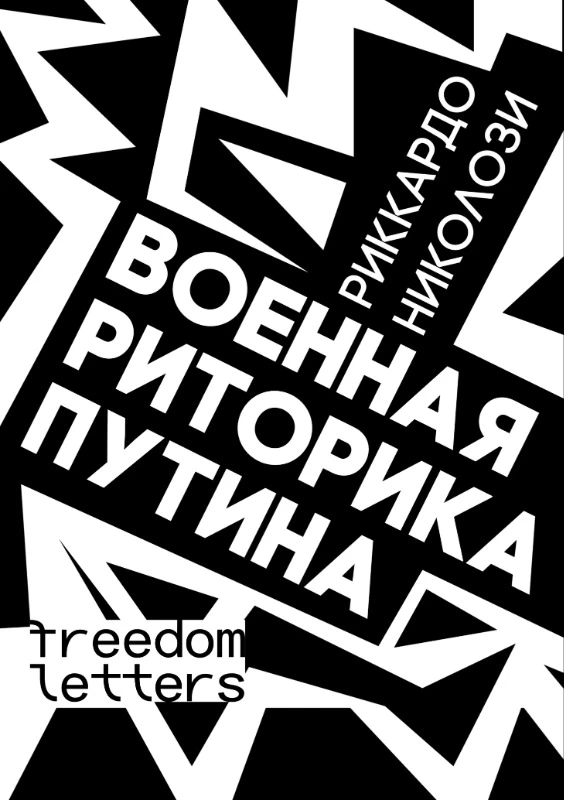
Войну против Украины Владимир Путин риторически подготовил, эскалировал и обосновал с помощью сложной аргументации. Переплетение разных стратегий легитимации в его речах у кого-то может вызывать удивление и неприятные эмоции, но оно целенаправленно приспособлено к ожиданиям широкой российской и международной аудитории. При этом российский президент не выступает харизматичным и красноречивым политиком, своему противнику Зеленскому он явно проигрывает в ораторском мастерстве. Но в сегодняшней России слова Путина являются источником всех политических коммуникационных стратегий. Риккардо Николози анализирует, как Путин говорит о войне: от пародии на западные обоснования войн до параноидальной логики причинно-следственных связей, в которой Россия выступает вечной жертвой гегемонистских устремлений Запада; от аффективной риторики ресентимента до мистической трактовки Второй мировой войны как вечно длящегося события; от представления конфликта с Украиной как антиколониального тектонического сдвига в геополитическом миропорядке до возвеличивания войны как единственно истинной формы бытия в современной и будущей России. В этой риторике сила слов легитимирует применение военной силы и заставляет выглядеть правдоподобным тезис о войне как решении всех проблем.
Vladimir Putin rhetorically prepared, escalated and justified the war against Ukraine through complex argumentation. The interweaving of different legitimation strategies in his speeches may surprise some and provoke unpleasant emotions, but it is purposefully tailored to the expectations of a broad Russian and international audience. At the same time, the Russian president is not a charismatic or eloquent politician; he is clearly inferior in oratory to his opponent Zelensky. But in today’s Russia, Putin’s words are the source of all political communication strategies. Riccardo Nicolosi analyzes how Putin talks about war: from parodying Western justifications for war to a paranoid logic of cause and effect in which Russia is the eternal victim of the West’s hegemonic ambitions; from the affective rhetoric of resentment to a mystical interpretation of the Second World War as an eternally ongoing event; from presenting the conflict with Ukraine as an anticolonial tectonic shift in the geopolitical world order to glorifying war as the only true form of existence in present and future Russia. In this rhetoric the power of words legitimizes the use of military force and makes the thesis of war as the solution to all problems seem plausible.