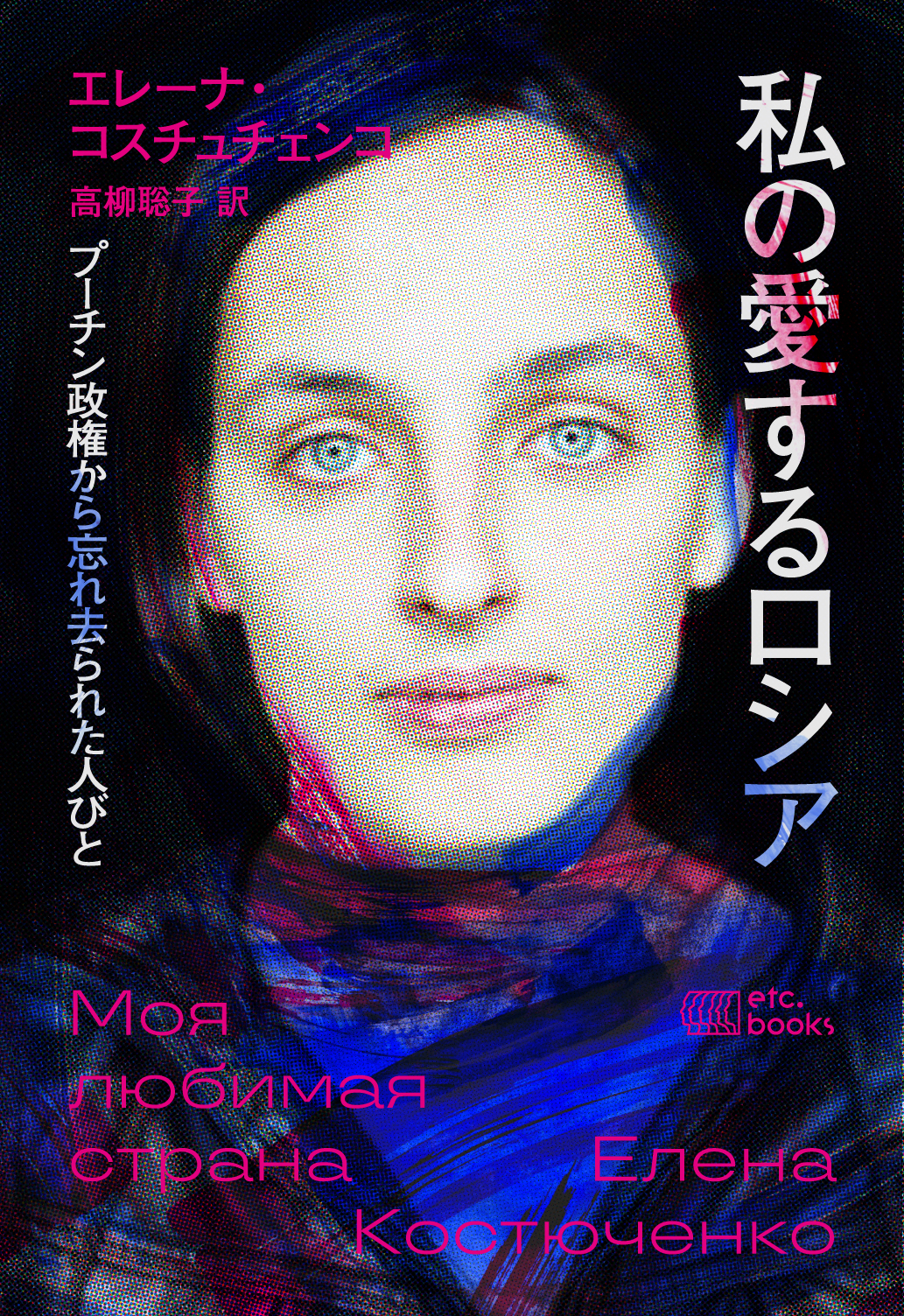
沈黙を拒むジャーナリズム、私たちが本当に知るべきロシアの姿。
「エレーナの言う『国を愛する』は、従順や沈黙ではない。誰かを周縁に追いやることでもない。ファシズムと戦争がこの世界を飲み込んでしまう、その前に、彼女の警鐘がこの本を通して、日本社会にも響くように」--安田菜津紀(Dialogue for People副代表/フォトジャーナリスト)
「プーチンはどこから来たのか? ロシア人とはどのような人びとか? 知りたければこの本を読みなさい」--スヴェトラーナ・アレクシエーヴィチ(『戦争は女の顔をしていない』著者、ノーベル文学賞作家)
プーチン政権批判の最先鋒「ノーヴァヤ・ガゼータ」紙に17年間つとめたジャーナリストによる、渾身のルポルタージュ。戦争にひた走るロシアにおいて、モスクワから遠く離れた地方の自動車道で〈身を売る〉女性たち、廃墟で暮らす未成年の子どもたち、国営の障害者施設、忘れられた公害、隠蔽された学校占拠事件、迫害される少数民族、性的少数者……政権下において周縁に追われ隠されてきた人びとの声を伝える記事と、真実を語る記者としてそしてLGBT活動家として戦ってきた自らの半生を交互に綴る。2024年プーシキンハウス図書賞受賞。
「私は、自分の母国への愛についての本を書いた。常に良い方向に、というわけではないにしても──この国が、その生においてどう変わっていくのか、この国が私たちをどう変えるのかを。ファシズムは何から生じるのか、どんなふうに育ち、開花するのか。本書に頻繁に登場する私の母もまた、私の母国だ。そして私自身も本書に登場する。私はもう、自分のルポルタージュの主人公たちの陰に隠れたりはしない」(本文より)
「政治の不手際が、中央からは死角となっている市井の人びとの生活の細部に綻びをもたらすこと、数年後に戦争を始める国で起きていたことが垣間見える気もする。大きな政治や大きな経済や軍の話をせずとも、私たちの生活がそれまでのように立ち行かなくなるとき、必要なものが手に入らなくなるとき、人間が粗野に扱われるようになるとき、私たちはその原因の責任の所在を明確にすべきなのだとあらためて教えられた思いだ。これは、今の日本に生きる私たちにとってもまったく他人事ではない」(高柳聡子「訳者あとがき」より)
Journalism that refuses to be silent — the Russia we truly need to know.
“The ‘love of country’ Elena speaks of is not obedience or silence. Nor is it pushing someone to the margins. Before fascism and war swallow this world, may her warning, through this book, resound in Japanese society too.” — Natsuki Yasuda (Deputy Director of Dialogue for People / photojournalist)
“Where did Putin come from? What kind of people are Russians? If you want to know, read this book.” — Svetlana Alexievich (author of The Unwomanly Face of War, Nobel Prize–winning writer)
A powerful work of reportage by a journalist who worked for 17 years at Novaya Gazeta, the newspaper at the forefront of criticism of the Putin regime. In a Russia rushing headlong into war, it alternates articles that convey the voices of people pushed to the margins and hidden under the regime — women “selling themselves” along highways in provinces far from Moscow, minors living in ruins, state institutions for people with disabilities, forgotten pollution, a covered-up school hostage crisis, persecuted ethnic minorities, sexual minorities… — with the story of her own life, fighting as a journalist telling the truth and as an LGBT activist. Winner of the 2024 Pushkin House Book Prize.
“I wrote a book about love for my homeland. About how this country changes over the course of its life — though not always for the better — and how it changes us. Where fascism comes from, how it grows and blossoms. My mother, who appears often in this book, is also my homeland. And I myself appear in this book too. I will no longer hide behind the protagonists of my reportage.” (from the text)
“I feel I can glimpse how political mismanagement frays the details of ordinary people’s lives that lie in the center’s blind spot — what was happening in a country that would start a war a few years later. Even without talking about big politics, the big economy or the military, when our lives can no longer go on as before, when the things we need become unavailable, when human beings start being treated roughly, we should make clear where the responsibility for it lies — this book has taught me that once again. For those of us living in Japan today, this is by no means someone else’s problem.” (from Satoko Takayanagi’s translator’s afterword)