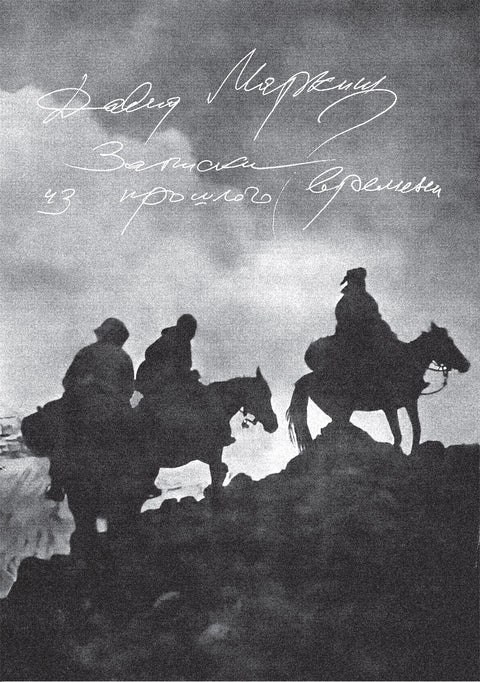
Можно ли выжить в XX веке, потеряв самых близких людей в сталинских лагерях, и при этом сохранить способность любить и писать? «Записки из прошлого времени» Давида Маркиша — это исповедь и исторический роман одновременно, в котором личная трагедия автора, сына казненного поэта Переца Маркиша, становится зеркалом для драмы целого поколения.
Книга охватывает широкий исторический период: от довоенной советской интеллигенции до репатриации в Израиль. Маркиш не просто вспоминает, он создает эпическое полотно, на котором оживают судьбы его семьи, друзей и врагов. Перед нами проходит весь ужас репрессий, жизнь в ссылке и сложное, часто болезненное обретение новой родины в Израиле.
Проза Маркиша отличается невероятной искренностью и документальной точностью, при этом обладая всеми чертами большого художественного текста. Он пишет о трагедии, но не скатывается в безысходность, находя в истории своего народа и семьи силы для жизни и творчества. Это свидетельство, которое невозможно игнорировать.
Книга необходима всем, кто интересуется историей советского периода, судьбами еврейской интеллигенции и становлением русско-израильской литературы. Глубокий, честный и сильный роман-мемуар, который оставляет неизгладимый след.
Is it possible to survive the twentieth century after losing your closest relatives to Stalin’s camps, and still keep the ability to love and to write? David Markish’s Zapiski iz proshlogo vremeni is at once a confession and a historical novel, in which the personal tragedy of the author, son of the executed poet Peretz Markish, becomes a mirror for the drama of an entire generation.
The book spans a broad historical period, from the prewar Soviet intelligentsia to repatriation to Israel. Markish does not simply reminisce; he creates an epic canvas on which the fates of his family, friends and enemies come to life. The whole horror of the repressions, life in exile, and the complex, often painful process of finding a new homeland in Israel pass before us.
Markish’s prose is remarkable for its incredible sincerity and documentary precision, while having all the features of a major work of fiction. He writes about tragedy but does not slide into hopelessness, finding in the history of his people and his family the strength to live and create. This is a testimony that cannot be ignored.
The book is essential for anyone interested in the history of the Soviet period, the fate of the Jewish intelligentsia and the emergence of Russian-Israeli literature. A deep, honest and powerful memoir-novel that leaves an indelible mark.