Text
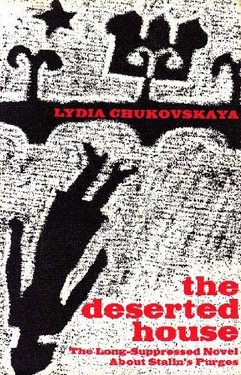
We spend much of our limited time choosing in the mistaken belief that we have a choice. Not only do we worry whether or not we are making the right decisions now, but also whether we made the right ones in the past. Caught up in external events, we act within a psychologically determined framework, and then even these actions are often frustrated. Ultimate choice is seldom, if ever, given to an individual. The torment of choosing and the wish to do right when life, in one way or another, imposes an emotional or political tyranny is a relating theme in these four novels. While we wait for Svetlana Alliluyeva’s revelations of the Stalin purges, Lydia Chukovskaya’s small but impressive novel gives a moving account of one woman's bewilderment and despair as the State destroys her belief in its invulnerability. Olga Petrovna is a doctor’s widow with a young son. Living now in one room of her former home, but not unhappily, she takes a secretarial job in a publishing house and wonders how she ever felt fulfilled before. Her son grows up to become a technician, invents a method for the manufacture of cog-wheel cutters and makes the front page of Pravda. Proud, happy, and confident, Olga Petrovna is certain that the political arrests reported daily in Leningrad are justified, until first the director of the publishing house and then her own son are imprisoned. Her certainty that what is obviously a mistake will soon be recognized and rectified is slowly broken down by the Kafkaesque indifference of officials and official departments. The story, written in an exercise book in 1939 was concealed until after Stalin’s death.
“I do not doubt,” says the author, “that literary works describing the thirties will abound, and that other writers, in possession of far more facts than I myself at that time possessed, besides greater literary gifts and greater powers of analysis, will give a fuller and more complete picture of the life of the period.”
I doubt that they will write with more observation, feeling or humor than Miss Chukovskaya, and they will certainly be lucky if they are translated by Aline Werth. <…>