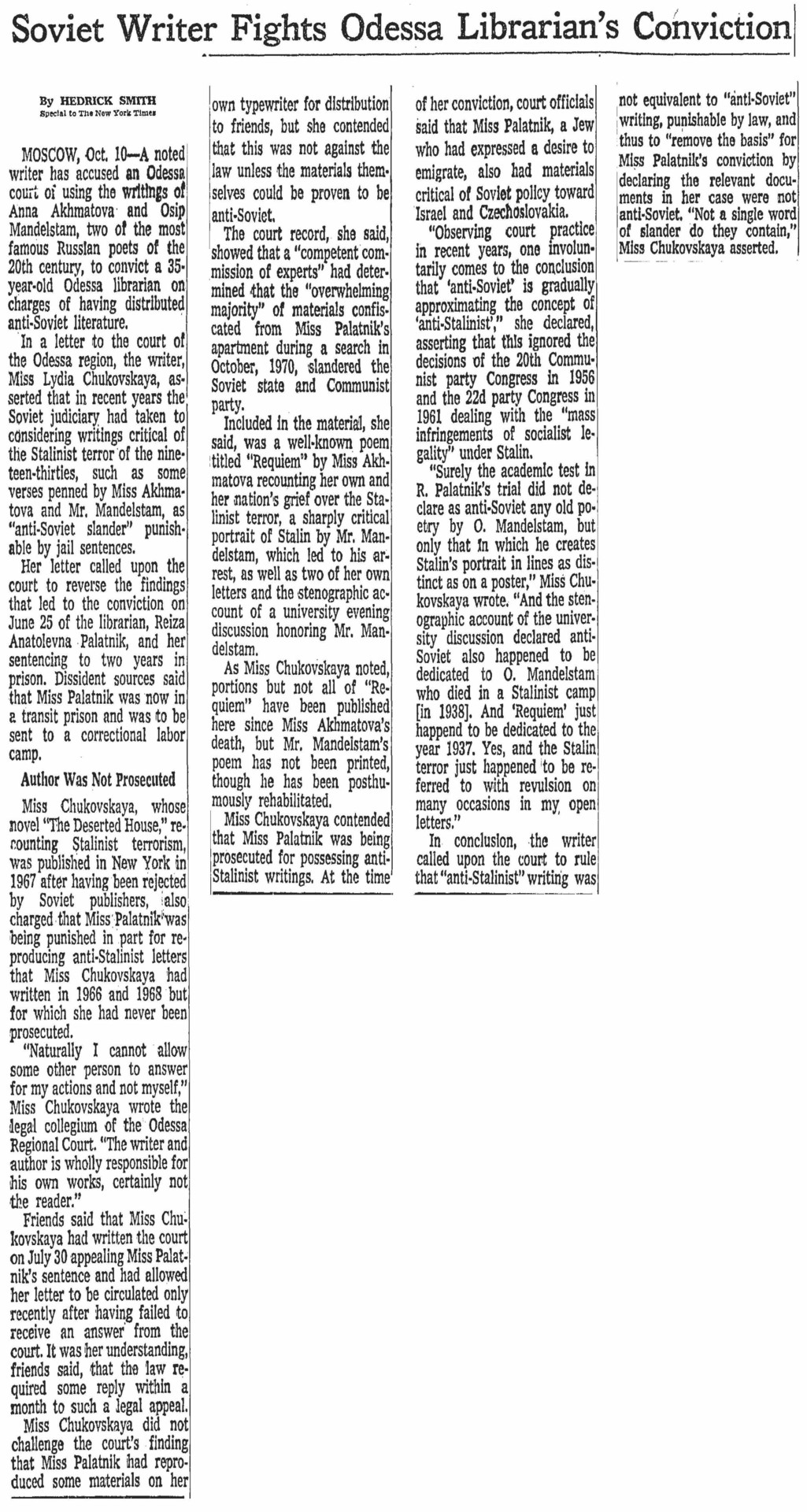
Soviet Writer Fights Odessa Librarian's Conviction
Советская писательница оспаривает приговор библиотекарю из Одессы

Information
- Hedrick Smith
-
Authors
- Article
-
Source Type
- The Deserted House Mentioned
- Requiem Mentioned
-
Publications
- October 1971
-
Date
- New York
-
Place
- Russian
-
Language
The New York Times (October 11, 1971). Text prepared by Ariana Guzman.
Text
MOSCOW, Oct. 10 – A noted writer has accused an Odessa court of using the writings of Anna Akhmatova and Osip Mandelstam, two of the most famous Russian poets of the 20th century, to convict a 35-year-old Odessa librarian on charges of having distributed anti-Soviet literature.
In a letter to the court of the Odessa region, the writer, Miss Lydia Chukovskaya, asserted that in recent years the Soviet judiciary, had taken to considering writings critical of the Stalinist terror of the nineteen-thirties, such as some verses penned by Miss Akhmatova and Mr. Mandelstam, as “anti-Soviet slander” punishable by jail sentences.
Her letter called upon the court to reverse the findings that led to the conviction on June 25 of the librarian, Reiza Anatolevna Palatnik, and her sentencing to two years in prison. Dissident sources said that Miss Palatnik was now in a transit prison and was to be sent to a correctional labor camp.
Author Was Not Prosecuted
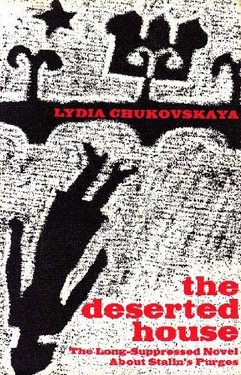
Miss Chukovskaya, whose novel “The Deserted House,” recounting Stalinist terrorism, was published in New York in 1967 after having been rejected by Soviet publishers, also charged that Miss Palatnik was being punished in part for reproducing anti-Stalinist letters that Miss Chukovskaya had written in 1966 and 1968 but for which she had never been prosecuted.
“Naturally I cannot allow some other person to answer for my actions and not myself,” Miss Chukovskaya wrote the legal collegium of the Odessa Regional Court. “The writer and author is wholly responsible for his own works, certainly not the reader.”
Friends said that Miss Chukovskaya had written the court on July 30 appealing Miss Palatnik’s sentence and had allowed her letter to be circulated only recently after having failed to receive an answer from the court. It was her understanding, friends said, that the law required some reply within a month to such a legal appeal.
Miss Chukovskaya did not challenge the court’s finding that Miss Palatnik had reproduced some materials on her own typewriter for distribution to friends, but she contended that this was not against the law unless the materials themselves could be proven to be anti-Soviet.
The court record, she said, showed that a “competent commission of experts” had determined that the “overwhelming majority” of materials confiscated from Miss Palatnik’s apartment during a search in October, 1970, slandered the Soviet state and Communist party.
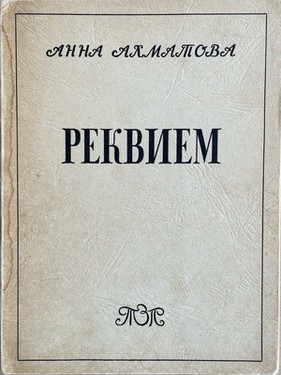
Included in the material, she said, was a well-known poem titled “Requiem” by Miss Akhmatova recounting her own and her nation’s grief over the Stalinist terror, a sharply critical portrait of Stalin by Mr. Mandelstam, which led to his arrest, as well as two of her own letters and the stenographic account of a university evening discussion honoring Mr. Mandelstam.
As Miss Chukovskaya noted, portions but not all of “Requiem” have been published here since Miss Akhmatova’s death, but Mr. Mandelstam’s poem has not been printed, though he has been posthumously rehabilitated.
Miss Chukovskaya contended that Miss Palatnik was being prosecuted for possessing anti-Stalinist writings. At the time of her conviction, court officials said that Miss Palatnik, a Jew who had expressed a desire to emigrate, also had materials critical of Soviet policy toward Israel and Czechoslovakia.
“Observing court practice in recent years, one involuntarily comes to the conclusion that ‘anti-Soviet’ is gradually approximating the concept of ‘anti-Stalinist,’” she declared, asserting that this ignored the decisions of the 20th Communist party Congress in 1956 and the 22d party Congress in 1961 dealing with the “mass infringements of socialist legality” under Stalin.
“Surely the academic test in R. Palatnik’s trial did not declare as anti-Soviet any old poetry by O. Mandelstam, but only that in which he creates Stalin’s portrait in lines as distinct as on a poster,” Miss Chukovskaya wrote. “And the stenographic account of the university discussion declared anti-Soviet also happened to be dedicated to O. Mandelstam who died in a Stalinist camp [in 1938]. And ‘Requiem’ just happened to be dedicated to the year 1937. Yes, and the Stalin terror just happened to be referred to with revulsion on many occasions in my open letters.”
In conclusion, the writer called upon the court to rule that “anti-Stalinist” writing was not equivalent to “anti-Soviet” writing, punishable by law, and thus to “remove the basis” for Miss Palatnik’s conviction by declaring the relevant documents in her case were not anti-Soviet. “Not a single word of slander do they contain,” Miss Chukovskaya asserted.
MOSCOW, Oct. 10 – A noted writer has accused an Odessa court of using the writings of Anna Akhmatova and Osip Mandelstam, two of the most famous Russian poets of the 20th century, to convict a 35-year-old Odessa librarian on charges of having distributed anti-Soviet literature.
In a letter to the court of the Odessa region, the writer, Miss Lydia Chukovskaya, asserted that in recent years the Soviet judiciary, had taken to considering writings critical of the Stalinist terror of the nineteen-thirties, such as some verses penned by Miss Akhmatova and Mr. Mandelstam, as “anti-Soviet slander” punishable by jail sentences.
Her letter called upon the court to reverse the findings that led to the conviction on June 25 of the librarian, Reiza Anatolevna Palatnik, and her sentencing to two years in prison. Dissident sources said that Miss Palatnik was now in a transit prison and was to be sent to a correctional labor camp.
Author Was Not Prosecuted
Miss Chukovskaya, whose novel “The Deserted House,” recounting Stalinist terrorism, was published in New York in 1967 after having been rejected by Soviet publishers, also charged that Miss Palatnik was being punished in part for reproducing anti-Stalinist letters that Miss Chukovskaya had written in 1966 and 1968 but for which she had never been prosecuted.
“Naturally I cannot allow some other person to answer for my actions and not myself,” Miss Chukovskaya wrote the legal collegium of the Odessa Regional Court. “The writer and author is wholly responsible for his own works, certainly not the reader.”
Friends said that Miss Chukovskaya had written the court on July 30 appealing Miss Palatnik’s sentence and had allowed her letter to be circulated only recently after having failed to receive an answer from the court. It was her understanding, friends said, that the law required some reply within a month to such a legal appeal.
Miss Chukovskaya did not challenge the court’s finding that Miss Palatnik had reproduced some materials on her own typewriter for distribution to friends, but she contended that this was not against the law unless the materials themselves could be proven to be anti-Soviet.
The court record, she said, showed that a “competent commission of experts” had determined that the “overwhelming majority” of materials confiscated from Miss Palatnik’s apartment during a search in October, 1970, slandered the Soviet state and Communist party.
Included in the material, she said, was a well-known poem titled “Requiem” by Miss Akhmatova recounting her own and her nation’s grief over the Stalinist terror, a sharply critical portrait of Stalin by Mr. Mandelstam, which led to his arrest, as well as two of her own letters and the stenographic account of a university evening discussion honoring Mr. Mandelstam.
As Miss Chukovskaya noted, portions but not all of “Requiem” have been published here since Miss Akhmatova’s death, but Mr. Mandelstam’s poem has not been printed, though he has been posthumously rehabilitated.
Miss Chukovskaya contended that Miss Palatnik was being prosecuted for possessing anti-Stalinist writings. At the time of her conviction, court officials said that Miss Palatnik, a Jew who had expressed a desire to emigrate, also had materials critical of Soviet policy toward Israel and Czechoslovakia.
“Observing court practice in recent years, one involuntarily comes to the conclusion that ‘anti-Soviet’ is gradually approximating the concept of ‘anti-Stalinist,’” she declared, asserting that this ignored the decisions of the 20th Communist party Congress in 1956 and the 22d party Congress in 1961 dealing with the “mass infringements of socialist legality” under Stalin.
“Surely the academic test in R. Palatnik’s trial did not declare as anti-Soviet any old poetry by O. Mandelstam, but only that in which he creates Stalin’s portrait in lines as distinct as on a poster,” Miss Chukovskaya wrote. “And the stenographic account of the university discussion declared anti-Soviet also happened to be dedicated to O. Mandelstam who died in a Stalinist camp [in 1938]. And ‘Requiem’ just happened to be dedicated to the year 1937. Yes, and the Stalin terror just happened to be referred to with revulsion on many occasions in my open letters.”
In conclusion, the writer called upon the court to rule that “anti-Stalinist” writing was not equivalent to “anti-Soviet” writing, punishable by law, and thus to “remove the basis” for Miss Palatnik’s conviction by declaring the relevant documents in her case were not anti-Soviet. “Not a single word of slander do they contain,” Miss Chukovskaya asserted.