Misteriose le accuse agli scrittori arrestati.
Sinjavskij e Daniel avrebbero importato valuta.
Mosca 24 ottobre, notte.
Il processo a carico dei due scrittori arrestati il mese scorso a Mosca, secondo voci raccolte oggi dovrebbe svolgersi tra una decina di giorni alla presenza del pubblico. L’accusa, contrariamente a quanto era stato detto in un primo tempo, non sarebbe quella di aver diffuso all’estero letture antisovietiche, ma quella più grave di aver importato valuta straniera. I due scrittori, Andrej Sinjavskij e Yulij Daniel’, hanno entrambi quarant'anni, sono sposati e hanno figli. Un terzo scrittore, di cui s’ignora il nome e la sorte, sarebbe stato arrestato a Leningrado.
Sinjavskij è considerato uno dei migliori specialisti di letteratura sovietica contemporanea. Ha pubblicato numerosi libri di critica, tra i quali uno su Picasso, e ha collaborato alla storia letteraria dell’URSS edita nel 1958, dall’istituto Gorkij. Era un ammiratore di Pasternak, di cui frequentava la casa, e ha scritto la prefazione a una sua raccolta di poesie apparse recentemente a Mosca. Il libro appena pubblicato è andato a ruba e pare che dopo l’arresto di Sinjavskij abbia raggiunto, sul mercato nero, cifre rilevanti (si parla di trenta rubli, ventimila lire). Daniel, invece, è un traduttore e ha collaborato anche recentemente a Novij Mir.
Le notizie diffuse nei giorni scorsi dicevano che Sinjavskij e Daniel avevano confessato di essere gli autori di romanzi e altre pubblicazioni apparse in occidente sotto gli pseudonimi rispettivamente di Abram Terz e di Nikolay Arzhak. Ma la cosa sembra improbabile.
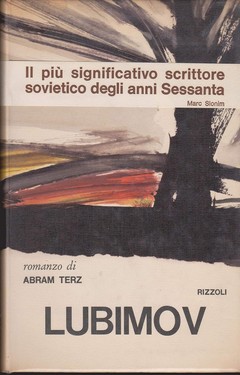
Abram Terz è il più noto esponente della letteratura clandestina sovietica. I suoi libri sono apparsi in Occidente fino dal 1959, suscitando immediatamente l’interesse dei critici e del pubblico per il loro contenuto fantastico e per lo stile grottesco, così diversi da quelli tipici del «realismo socialista». In Italia sono stati pubblicati Entra la Corte, l’opera più riuscita, La gelata, e quest’anno Ljubimov.
Circa la vera identità di Terz sono state fatte varie ipotesi. Chi dice che si tratta di uno scrittore tuttora vivente nell’Unione Sovietica, chi invece, che è pseudonimo usato contemporaneamente da diversi scrittori e precisamente da tre (Terz sarebbe una derivazione di terzo), chi, infine, che si tratta di un profugo russo da tempo vivente in Occidente, a Parigi. Questa ultima congettura sembra la più fondata. Numerosi critici occidentali hanno notato nelle opere di Terz varie incongruenze e particolarità stilistiche che fanno pensare a uno scrittore estraniato dalla più recente realtà sovietica.
Da parte sua l’editore parigino, proprietario dei diritti mondiali di Terz, ha dichiarato l’altro giorno che egli è una “figura molto conosciuta nel mondo letterario sovietico»; ma ha negato che si tratti di Sinjavskij.
Dunque, per quel che si può dedurre, il «caso Terz» è destinato a rimanere isolato. Ciò non significa, però, che i due (o tre) scrittori arrestati non abbiano pubblicato qualcosa all’estero sotto falso nome. Una delle tante voci che circolano in questi giorni a Mosca afferma che uno di essi è stato arrestato mentre consegnava a un agente letterario straniero un suo manoscritto. Ma le autorità sovietiche hanno preferito accusarli di importazione di valuta, un reato più grave che comporta pene detentive più lunghe.
Pietro Sormani
Mysterious charges against the arrested writers.
Sinyavsky and Daniel allegedly imported currency.
Moscow, October 24th, at night.
The trial of the writers arrested last month in Moscow should take place in ten days from today, with an audience. The accusation is not of having distributed anti-Soviet literature abroad, as it was previously said, but, even worse, of having imported foreign currency. The two writers, Andrey Sinyavsky and Yuli Daniel, are both forty. A third writer, whose name and destiny remain unknown, apparently was arrested in Leningrad.
Sinyavsky is considered one of the highest specialists of Soviet contemporary literature. He published several books as a critic, such as the one on Picasso, and he collaborated on the literary history of the USSR, published in 1958 by the Gorky Institute. He admired Pasternak – he often visited his house – and he wrote the preface to his collection of poems, which recently appeared in Moscow. As the book was published, it flew off the shelves, and apparently, after Sinyavsky's arrest, it reached a considerable value on the black market (thirty rubles, two thousand lire). Instead, Daniel is a translator who collaborated, also recently, with the Novii Mir.
According to the most recent news, Sinjavsky and Daniel confessed to being the authors of the novels and the other publications appeared in the West, written under the pseudonyms of Abram Tertz and Nikolay Arzhak. But this is unlikely.
Abram Tertz is the most well-known exponent of Soviet clandestine literature. His books appeared in the West since 1959, immediately creating a stir among the critics and the public for their fantastic contents and their grotesque style, so different from those of the «socialist realism». In Italy have been published: the most successful The Trial Begins, The Icicle, and this year, Liubimov.
As per the true identity of Tertz, several hypotheses were made. Someone says that he is a writer still living in the Soviet Union, someone else, that Tertz is a pseudonym used by several writers, three to be precise (Tertz would come from terzo*), and finally someone thinks that Tertz is a Russian refugee, living for a long time in the West, in Paris. This last hypotheses seems to the most reliable. Several Western critics have noticed in Tertz’s works several discrepancies and stylistic particularities that could make think of a writer unfamiliar with the recent Soviet reality.
The Parisian publisher, owner of Tertz’s world rights, declared that he is a «very well-known person in the Soviet literary world»; but he denied that he could be Sinyavsky.
So, the destiny of «Tertz’s case» is to remain isolated. This does not mean, though, that the two (or three) arrested writers have not published abroad under a pseudonym. These days in Moscow, rumors say that one of them was arrested while passing a manuscript to a literary agent. But the Soviet authorities preferred to accuse him of importing currency, a more serious crime that leads to longer prison sentences.
Pietro Sormani
*Italian for third.