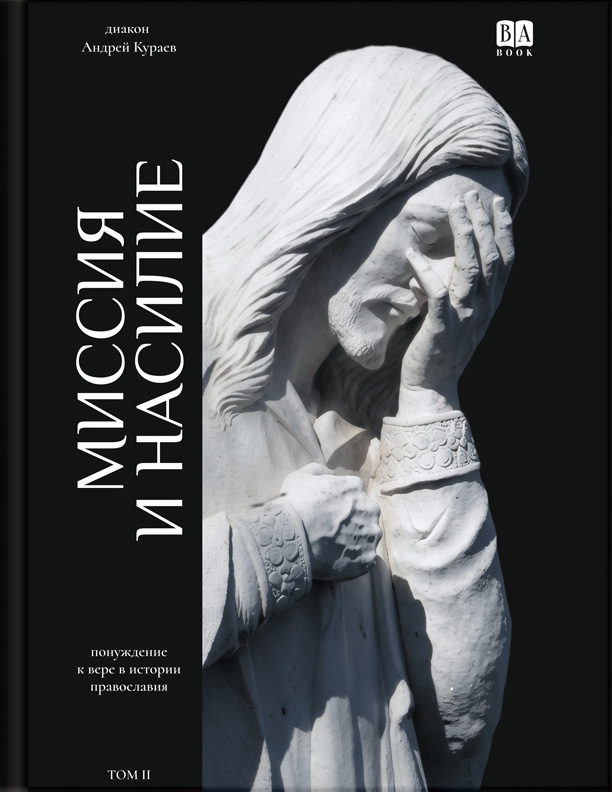
«Семейное насилие» стало привычным термином, обозначающим насилие со стороны того, кто вроде бы любит тебя и декларирует заботу о тебе. Церковные власти подчеркивают свой патернализм и свою «отеческую заботу» о своих «чадах». И это позволяет им не просто допускать насилие, но и оправдывать его.
Один из приемов этого оправдания — это отрицание: мол, в истории православия не было инквизиции и полицейского насилия. На деле были и теория и практика понуждения к вере. Причем и то и другое исходило от православных святых и закреплено в церковном праве. Эта книга дает обильную фактуру. И показывает, что это не случайные «отклонения», а нечто, крепко вшитое в матрицу православной культуры и готовое воспроизвести себя.
В то же время автор, до своей вынужденной эмиграции бывший профессором Московской Духовной Академии, считает, что даже внутри православия человек может сделать свой личный выбор — стать отличником в школе «богословия ненависти», или же быть хотя бы троечником, но в школе «богословия любви».
“Domestic violence” has become a familiar term for violence from someone who supposedly loves you and professes to care for you. Church authorities stress their paternalism and their “fatherly care” for their “children.” This allows them not only to tolerate violence but also to justify it.
One of the devices of this justification is denial: supposedly, there was no inquisition and no police violence in the history of Orthodoxy. In fact, there was both a theory and a practice of compelling people to faith. Moreover, both came from Orthodox saints and were codified in church law. This book provides abundant material. It shows that these were not accidental “deviations” but something firmly sewn into the matrix of Orthodox culture and ready to reproduce itself.
At the same time, the author, who before his forced emigration was a professor at the Moscow Theological Academy, believes that even within Orthodoxy a person can make a personal choice: to be a straight-A student in the school of the “theology of hatred,” or to be at least a C student in the school of the “theology of love.”