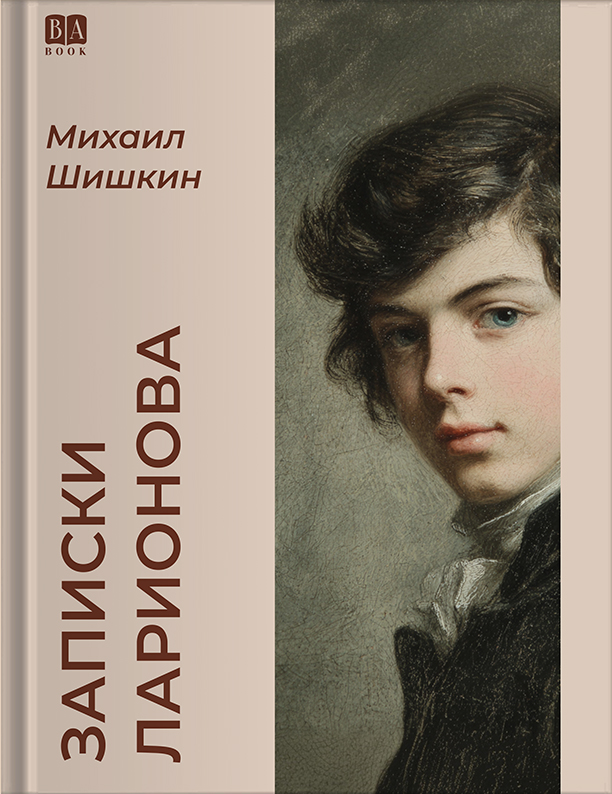
Старый Александр Львович Ларионов, "малодушный помещик" и бывший офицер времен Аракчеева, диктует доктору свои "тетради" – историю жизни, охватывающую почти весь XIX век. В его судьбе уживаются сияющее детство в симбирской усадьбе, суровая учеба в кадетском корпусе, служба при дворе, участие в войнах, чиновничья рутина и тихие годы в снегах Барышенского уезда. Ларионов называет себя рядовым мемуаристом, однако за его старомодным почерком слышны все голоса эпохи: Пушкин и декабристы, пушечный гром 1812-го, тени крепостных дворов, первые пароходы и телеграфы, изменчивая география империи. Михаил Шишкин строит роман как многослойную партитуру: классический исторический сюжет пересекается с психологической прозой, пастиши языков Карамзина и Гоголя переливаются современной интонацией, а бытовые детали соседствуют с раздумьями о времени, памяти и неизбежности смерти ("omnes una manet nox"). "Записки Ларионова" соединяют точность филолога с музыкой прозы Шишкина, превращая частную исповедь в эпос о том, как человек, язык и страна ищут смысл среди трещин истории.
The old Alexander Lvovich Larionov, a “fainthearted landowner” and former officer from the era of Arakcheev, dictates his “notebooks” to a doctor: a life story spanning almost the entire nineteenth century. His fate holds together a radiant childhood on an estate near Simbirsk, harsh schooling in the cadet corps, service at court, participation in wars, bureaucratic routine, and quiet years in the snows of the Barysh district. Larionov calls himself an ordinary memoirist, yet behind his old-fashioned handwriting all the voices of the age can be heard: Pushkin and the Decembrists, the cannon thunder of 1812, the shadows of serfs’ yards, the first steamships and telegraphs, the shifting geography of the empire. Mikhail Shishkin builds the novel as a multilayered score: a classical historical plot intersects with psychological prose, pastiches of the languages of Karamzin and Gogol shimmer with a modern intonation, and everyday details sit alongside reflections on time, memory, and the inevitability of death (“omnes una manet nox”). Zapiski Larionova (Larionov’s Notes) combines the precision of a philologist with the music of Shishkin’s prose, turning a private confession into an epic of how a person, a language, and a country search for meaning amid the cracks of history.