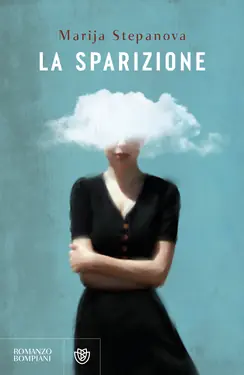
Impavida artefice di versi fondati sulla giustapposizione di registri stilistici e idioletti apparentemente incompatibili, Marija Stepanova non è mai arretrata di fronte all’accostamento di sublime e triviale, tragico e ridicolo, concettoso e fatuo. Come se qualunque tonalità, protratta oltre il lecito, finisse per screditare se stessa ed esigesse il proprio contrario per ridiventare plausibile. Questa predilezione per i contrasti netti sembra esser trapassata per osmosi anche al più recente dei suoi testi in prosa, La sparizione, uscito l’anno scorso e ora proposto da Bompiani nella bella traduzione di Cristina Moroni (pp. 160, € 18,00). Benché centrato sul trauma dell’emigrazione e su un senso di colpa tanto irrazionale quanto difficilmente accantonabile, questo romanzo breve è anche una variazione sorprendentemente lieve sul tema eterno della metamorfosi, qui provocatoriamente «degradata» a fuga da se stessi e dalle proprie responsabilità.
Il testo muove da una pulsione centrifuga opposta al progetto autoriflessivo di scavo nella propria storia familiare, che aveva ispirato il romanzo-saggio In memoria della memoria. Se tra quelle pagine l’io narrante cercava di trovare se stessa riannodando i fili che la legavano al passato, al contrario nella Sparizione a prevalere è la sensazione che sarebbe assai consolante poter cambiare di tanto in tanto pelle e natura, com’è avvenuto nel corso dell’evoluzione a talune specie fortunate. Così riflette la protagonista M., mentre si lascia trasportare da un treno verso un festival letterario dov’è attesa la sua presenza. Originaria di un paese che ha inopinatamente invaso il proprio vicino, M. è all’estero da mesi, ospite di una munifica residenza per scrittori affacciata su un lago. La pace di quel luogo da cui ogni conflitto pare bandito – eccezion fatta per qualche cigno sporadicamente sbranato da una volpe – non riesce in alcun modo a restituirle l’ispirazione creativa eclissatasi da un bel po’; in compenso le fornisce una illimitata riserva di tempo libero per riflettere sull’eventuale nesso che ancora la lega al suo «paese-bestia».
Non diversamente da Giobbe o da Pinocchio, la protagonista sente di aver vissuto inconsapevole nel ventre della «bestia» fino a poco prima e di esserne fuoriuscita solo perché il mostro l’ha inaspettatamente espulsa: «M. non aveva mai avuto nulla in comune con la bestia, non aveva diviso con lei né la tavola né il tetto, o almeno così le pareva prima, ma adesso che la bestia si era così estesa da comprendere tutti quelli che erano vissuti nel territorio del paese dove lei era nata, e non solo questi, ma anche tutti coloro che parlavano e scrivevano nella lingua che lei considerava sua, allora proprio lei, risultava, era la bestia. Cioè, lei naturalmente era lei, ma anche la bestia, un po’ lei e un po’ la bestia, e qualche volta notava sul volto dei suoi interlocutori una specie di sussulto che rivelava che proprio la bestia avevano visto in lei in primo luogo». Da qui per M. l’impossibilità di scrivere nella propria madrelingua, ormai universalmente identificata con la lingua di chi uccide civili inermi: «L’unica via per liberarsi della bestia era liberarsi di se stessi o almeno chiudere il becco una volta per tutte, in modo da non dire per errore qualcosa con la sua voce».
Posta di fronte alla questione dell’(ipotetica) responsabilità collettiva del suo popolo e della violenza connaturata alla sua cultura d’appartenenza, M. non sa che replicare. Benché razionalmente le vengano subito in mente le note affermazioni di Hannah Arendt sulla innocenza della lingua tedesca, le sue reazioni emotive la apparentano piuttosto alla Margarete del Faust goethiano: «No, incolpare la lingua era inutile, e anche ingiusto, aveva più senso presentare il conto a se stessi, ma M. non faceva nemmeno quello – o meglio, il conto le arrivava da solo, come a quella donna cui ogni notte presentavano il fazzoletto con cui aveva soffocato il suo bambino».
Tuttavia, nonostante per alcuni versi sia persino assimilabile a certi personaggi kafkiani, per altri versi la porte-parole dell’emigrata Stepanova rifiuta di scontare la pena per un delitto che non ha mai commesso. L’improvviso colpo di testa che le permette per qualche giorno di congedarsi dalla propria identità (o, meglio, di sperare che sia effettivamente possibile farlo) apre una inattesa prospettiva nel romanzo, che non tarda ad acquisire uno spiazzante afflato onirico.
Incline a interpretare la propria situazione personale alla luce dei più svariati riferimenti filosofici e letterari, la protagonista non rinuncia nemmeno a intravedere una ratio anche negli avvenimenti più palesemente fortuiti. Così, quando il suo treno viene soppresso, M. si dimostra straordinariamente reattiva nel cogliere al volo quella che le appare una occasione imperdibile offertale dal destino per sottrarsi a un ruolo che ormai la mette solo a disagio. Guardandosi bene dal contrastare i disegni della sorte che le ha generosamente fornito il pretesto per non giungere mai a destinazione, M. lascia che il suo cellulare si scarichi, «dimentica» in un bar il caricabatterie, depista il tassista incaricato dagli organizzatori del festival di recuperarla. E, una volta resasi irreperibile, assapora tutta la beatitudine del potersi immaginare una persona diversa: «Nelle ventiquattr’ore trascorse nella città di F., aveva appena messo alla prova la sua capacità di non essere nessuno, un po’ come quando si assaggia l’acqua con la punta di un piede».
Tuttavia di lì a breve scoprirà che cambiare pelle non è poi così semplice. Per quanto strampalate e surreali possano essere le situazioni che M. si trova ad affrontare, tutte risultano investite di un valore simbolico talmente evidente da riportarla, come un guinzaglio allentato ma non troppo, al suo io. Stepanova sfodera una immaginazione inesauribile e un po’ sadica nel sottoporre la propria controfigura a prove sempre nuove: prima la chiude in una escape room con un affascinante sconosciuto (che in seguito si rivelerà non un potenziale partner erotico, ma «solo» un suo ammirato lettore), poi la fa addirittura segare in due (trasparente metafora dell’emigrazione) da una coppia di provette artiste circensi: come se questo vecchio trucco potesse consentire a M. di mettere meglio a fuoco la propria posizione esistenziale (fokus, il titolo originale russo, indica contemporaneamente l’inganno dell’illusionista e il punto focale). Con uno stratagemma non meno temerario, Stepanova «dissolve» il romanzo sociale sull’intellettuale russo emigrato dopo il febbraio 2022 in una vera e propria parabola sull’escapismo, ricordandoci come l’evasione in certi casi sia l’unica reazione sensata.
A fearless author whose verses thrive on the juxtaposition of stylistic registers and seemingly incompatible idiolects, Maria Stepanova has never shied away from combining the sublime with the trivial, the tragic with the ridiculous, the substantial with the fatuous. As if any tone, prolonged beyond what is permissible, ultimately discredited itself and called for its opposite to become plausible again. This preference for sharp contrasts seems to have also influenced her most recent work in prose, The Disappearing Act, published last year and now available from Bompiani in Cristina Moroni’s fine translation (pp. 160, € 18). Although centered on the trauma of emigration and on an irrational sense of guilt that proves difficult to shake off, this short novel is also a surprisingly soft variation on the eternal theme of metamorphosis, here provocatively “demeaned” into an escape from the self and its own responsibilities.
The centrifugal force that drives the text is opposite to the self-reflective project of digging into the family history that inspired the novel-essay In Memory of Memory. While in those pages the first-person narrator tried to find herself by untangling the knots that bound her to the past, in The Disappearing Act, the feeling prevails that, from time to time, it would bring consolation to shed skin or nature, as happened in the evolutionary history of some fortunate species. So meditates the protagonist M, while transported by a train to a literary festival where she is expected. Originally from a country that unexpectedly invaded its neighbor, M has been abroad for three months, hosted by a munificent writers’ residency on a lake. The peace of the place, where any conflict seems to have been banished – except for some swans sporadically torn apart by a fox –, cannot restore the creative inspiration that has long since faded; in exchange, it provides her with unlimited free time to meditate on the possible connection that still binds her to her “country-beast”.
Like Job or Pinocchio, the protagonist feels that she had lived unaware in the belly of the “beast” until not long ago, emerging only when the monster suddenly expelled her: “M had never had anything in common with the beast—at least, that is what she’d always thought. But the beast had expanded in dimension and now consisted of everyone who had ever lived in the land where she was born (and where not so long ago she had gone to bed each night and woken up each morning) and also of those who spoke and wrote in the language she called her own—so it did seem that she must be the beast after all. That is, she was herself, of course, but the beast as well, the beast and then herself and then the beast, and sometimes she noticed in the face or in the shoulders of the person she was speaking to something like a spasm, which told her that it was the beast they saw in her, the beast first and foremost”. For this reason, it becomes impossible for M to write in her native language, now widely associated with the language of those who kill undefended civilians: “the only way to get rid of the beast was to get rid of oneself; or to remain silent forever to avoid inadvertently speaking in the voice of the beast”.
Confronted with the issue of the (hypothetical) collective responsibility of her people, and with the innate violence of the culture to which she belongs, M is unable to respond. Although she rationally recalls Hannah Arendt’s well-known statements on the innocence of the German language, her emotional response draws her instead toward Margarete in Goethe’s Faust: “No, it was pointless shaming language, and it was unjust, too. Better to settle scores with oneself, although in truth M hadn’t really done that either: the bill had come without her having asked for it, as it had for that woman who received a scarf every single night identical to the one she had used to stifle her baby”.
However, although in certain respects reminiscent of some Kafkian characters, the porte-parole of the émigré Stepanova refuses to answer for a crime she never committed. The sudden impulse that allows her to set aside her own identity for a few days (or, rather, to hope it is possible) opens up an unforeseen perspective in the novel, which soon acquires a disorienting dreamlike surge.
Inclined to interpret her personal situation in the light of the most varied philosophical and literary references, the protagonist cannot resist glimpsing a ratio even in the most blatantly fortuitous events. Thus, when her train is cancelled, M proves extraordinarily reactive to seize what appears to her as an unmissable chance offered by fate to slip out of a role that has by now become nothing but uncomfortable. Careful not to interfere with the designs of fortune that generously provided her with a perfect excuse for never reaching her destination, M lets her phone run out of battery, “forgets” the charger in a bar, and misleads the taxi driver sent by the festival organizers to pick her up. And once untraceable, she savors the quiet bliss of imagining herself as someone else: “During the brief time she’d spent in F she had begun to test, like dipping a toe in the ocean, her ability to be no one”
Soon, however, she will discover that changing one’s skin is not quite so simple. However bizarre and surreal the situations M finds herself in, each is invested with such an obvious symbolic charge that it leads her back, as a leash slackened but not too much, to her own self. Stepanova displays an inexhaustible, somehow sadistic imagination in subjecting her alter ego to ever new trials: first she locks her in an escape room with a charming stranger (who later on turns out to be not a potential erotic partner, but “only” an admiring reader), then she even has her saw in half (a transparent metaphor for emigration) by a pair of accomplished circus performers: as this old trick might help M bring her own existential position into focus (fokus, the original Russian title, simultaneously denotes the magician’s trick and the focal point). By means of a no less audacious stratagem, Stepanova “dissolves” the social novel about the Russian intellectual who emigrated after February 2022 into a veritable parable of escapism, reminding us that, sometimes, escape is the only sensible reaction.