Sources 71
Filters
Review
 Mezhdu bol'shinstvom i odinochestvom
Ilya Kukulin
13 December 2024
Review
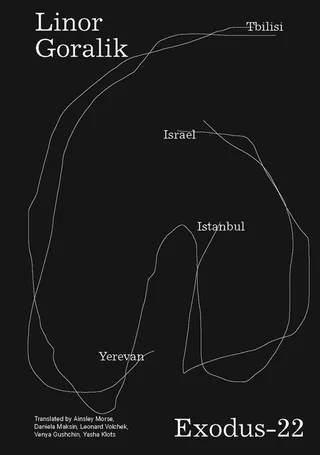
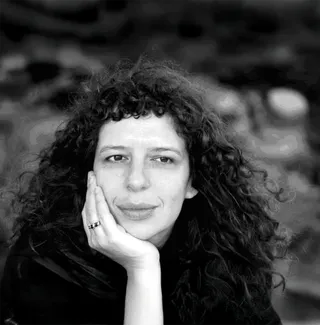 Conversations of the Fleeing. Polina Barskova on Linor Goralik's "Exodus-22 / Исход-22"
Polina Barskova
10 September 2025
Recently, the publishing house Tamizdat project released a book about emigration, loss, and catastrophe: Linor Goralik’s “Исход-22 / Exodus 22”. It is a mosaic of people’s voices and testimonies who were forced to leave Russia after the war began. Polina Barskova, a poet and philologist, wrote a review of Goralik’s book specifically for слов_вне_себя. We know where the fault line passed. But the lines? Despite the singular catastrophic streak that broke modern Russian history into a before and after, a million other lines appeared, a million lives broken. Who is going to answer for all these…
Review
2024

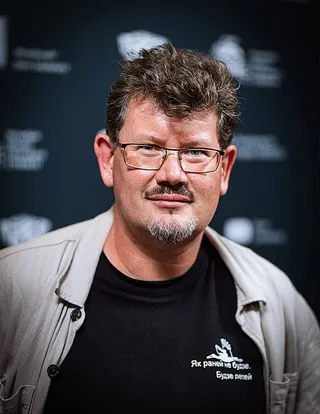 Review of "Nothing unfrightening" by Siarhiej Pryłucki
Andrej Chadanovič
“Daddy, sing me a lullaby…”“Нічога нястрашнага” (“Nothing unfrightening”, 2024) is among the most sincere, piercing and painful books in our modern poetry. This is probably also the most piercing collection of poems by Siarhiej Pryłucki, Ukrainian citizen and Belarusian author.Pryłucki has already written a very painful book that was enough to raise one’s hair: “Эўрыдыка не азіраецца” (“Eurydice does not look back”, 2021). But in that book, the Belarusian tragedy of suppressed uprising and brutal purges was seen from Bucha near Kyiv. Now Bucha itself has become the epicenter of pain. The…
Review
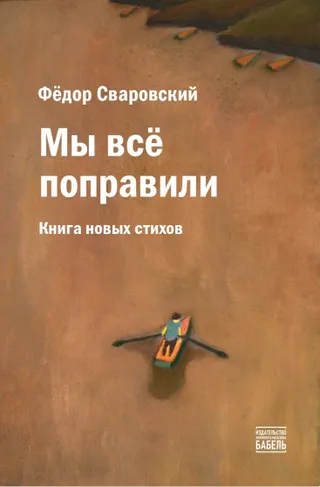 "Gde-to v kosmose posredine moria": Yulia Podlubnova o knige stikhov "My vse popravili" Fedora Svarovskogo
Yulia Podlubnova
11 February 2025
Paratext
2025
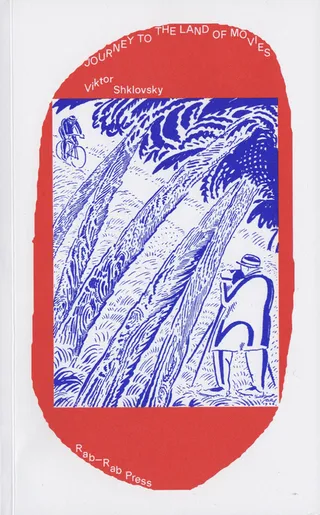 Translator's note to "Journey to the Land of Movies" by Viktor Shklovsky
Adam Ranđelović
Paratext
2025
Proofreader's note to "Journey to the Land of Movies" by Viktor Shklovsky
Dahlia el Broul
Review
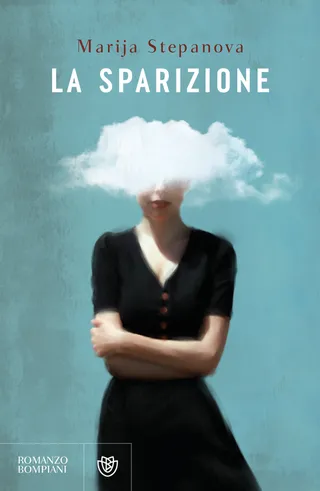 Maria Stepanova, to Be and Not to Be an Implicated Party
Valentina Parisi
28 September 2025
A fearless author whose verses thrive on the juxtaposition of stylistic registers and seemingly incompatible idiolects, Maria Stepanova has never shied away from combining the sublime with the trivial, the tragic with the ridiculous, the substantial with the fatuous. As if any tone, prolonged beyond what is permissible, ultimately discredited itself and called for its opposite to become plausible again. This preference for sharp contrasts seems to have also influenced her most recent work in prose, The Disappearing Act, published last year and now available from Bompiani in Cristina Moroni’s…
Review
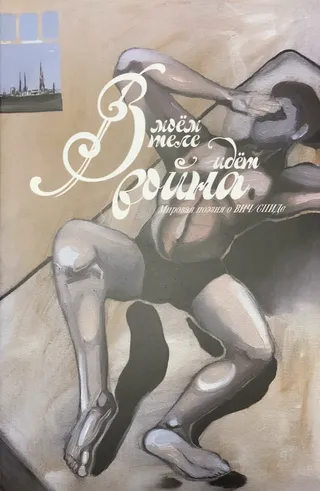 Enduring Vulnerability. Denis Larionov on the poetry anthology "There's a War in My Body"
Denis Larionov
20 November 2025
Review
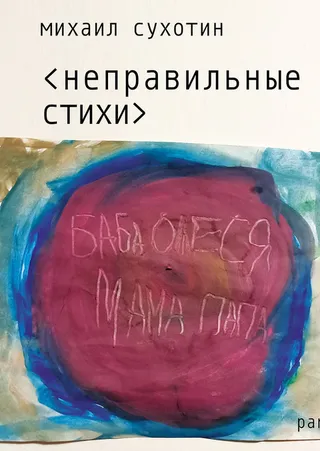 The Wrong Giant: Kirill Korchagin on Mikhail Sukhotin's "Wrong Poems"
Kirill Korchagin
9 September 2025
Review
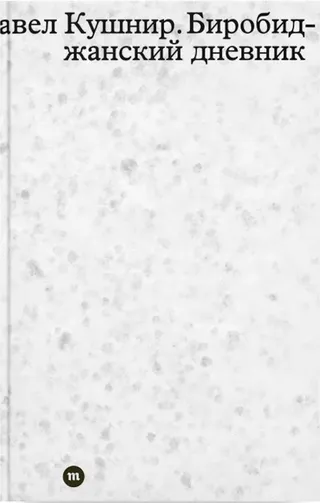 Amid Savagery, “None but the Martyr Is a Hero”
Denis Larionov
29 July 2025
Discussing Pavel Kushnir and his oeuvre is no easy task because of his martyrial death in the Birobidzhan detention center — officially the result of a hunger strike, despite all signs pointing to Kushnir having been physically abused in jail. Kushnir was sent to prison after an anonymous denunciation was made about a video he posted on YouTube that heavily criticized the invasion of Ukraine and the Putin regime on the whole. The narrative of Pavel Kushnir’s death imposes a certain amount of responsibility on those who write about him, demanding, above all else, an exactitude in statement and…
Review
 Shortlist for the "Dar" Prize: Riva Evstifeeva's "Boarding School Stories"
Alena Fokeeva
14 May 2025
Review
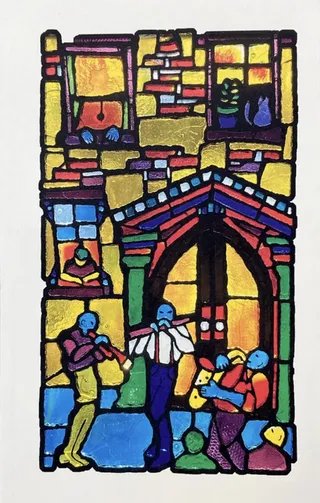 Splitting the liberated subject or anti-Nabokov
Evgeniya Vezhlyan
18 April 2025
Review
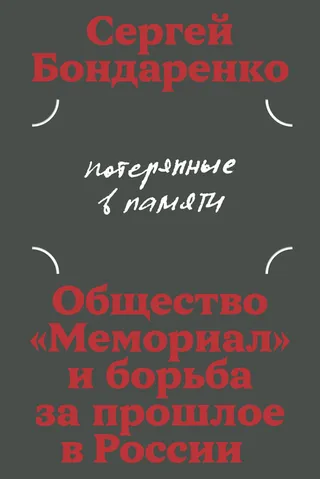 The Promise of a Monument
Aren Vanyan
13 March 2025
Review
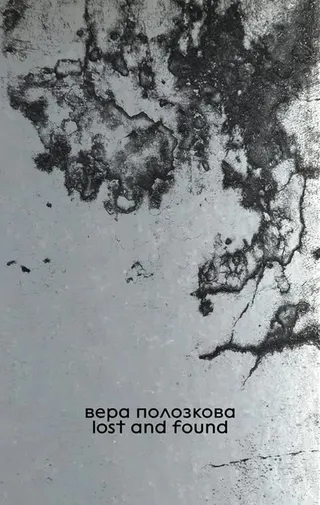
 The River Doesn't Play. Lev Oborin on Vera Polozkova's "Lost and Found"
Lev Oborin
15 January 2025
Review
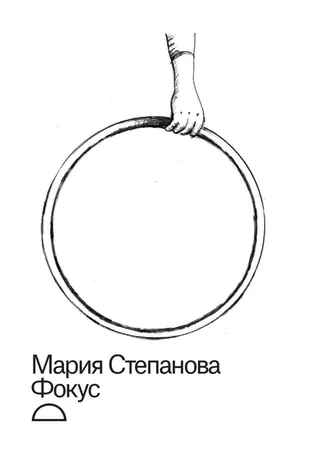 Fokus, ili Tekst kak escape
Evgeniya Vezhlyan
8 November 2024
Review
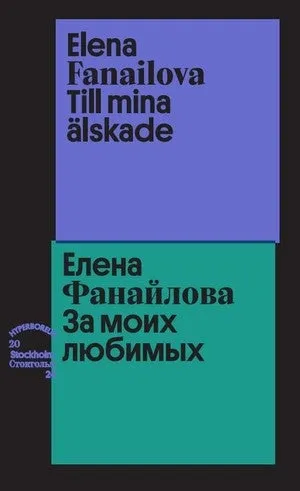 Lysistrata of Eastern Europe
Yulia Podlubnova
2 October 2024
Source
MY LITERARY PRIZE. BORIS AKUNIN
Anna Berseneva
20 November 2024
Review
2023
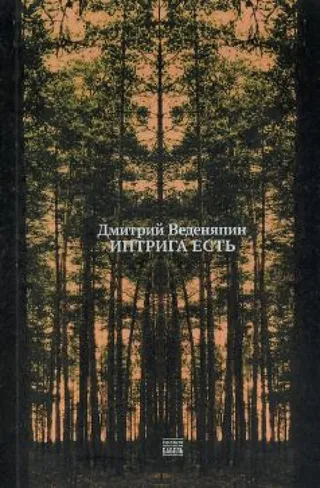 Sometimes it's better to remain silent than to speak
Ekaterina Ageeva
Review
 Fokus - kniga Marii Stepanovoy o geroine nablyudayuschey za voynoy Rossii i Ukrainy izdaleka
24 August 2024
Review
Slezy hudozhnika - kak ustroen birobidzhanskiy dnevnik Pavla Kushnira
12 July 2025
Review
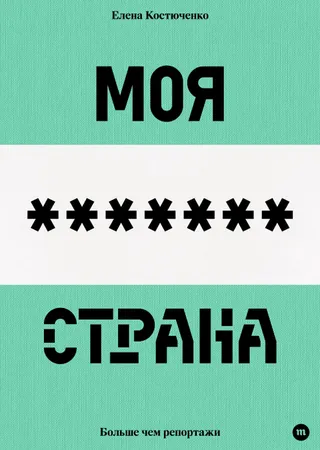 But we don’t love her for that: Elena Kostyuchenko’s book “My Favorite Country” as an attempt to explain the present
Sasha Montegrew
22 February 2024
Paratext
2025
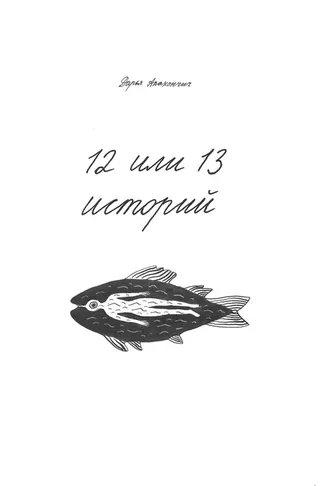
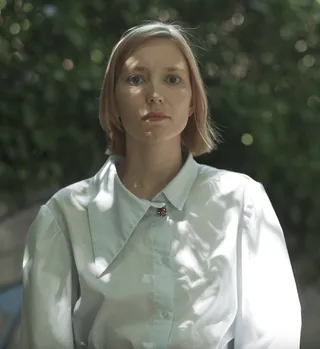 Vmesto predisloviia
Daria Apakhonchich
Paratext
2026
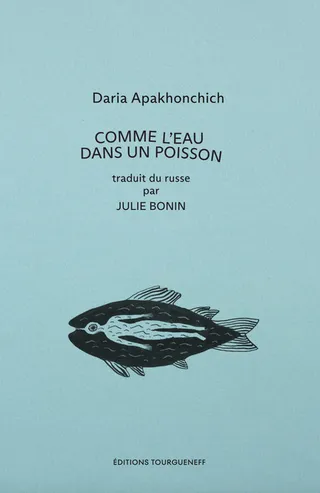 en guise de préface
Daria Apakhonchich
Paratext
2026
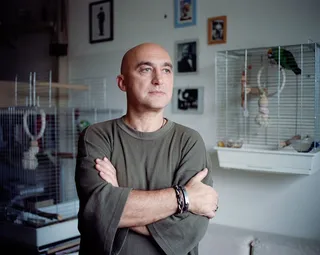 Protivosmertie
Dmitry Vedeniapin
Transcript coming soon
Paratext
2026
 O Khodaseviche
Dmitry Vedeniapin
Transcript coming soon
Paratext
2026
 Preface to Piesy by Alexei Paperny
Dmitry Bykov
Paratext
2026
 Preface to "Ugolovka" by Igor Zolotaryov
Dmitry Bykov
Transcript coming soon
Paratext
2024
 Publisher's note to "Ne o voine" by Zhenia Berezhnaia
Paratext
2024
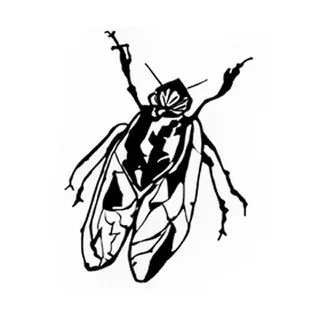 Preface to "Communiqués" by Maria Galina
Paratext
2024
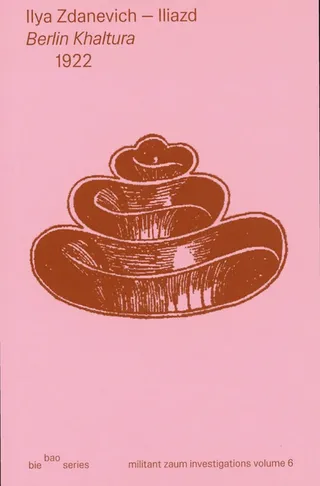 Introduction to "Berlin khaltura. 1922" by Ilya Zdanenich
Roman Utkin
Paratext
2025
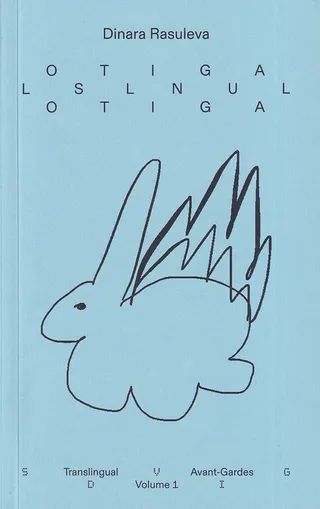
 Editorial note to "Lostlingual" by Dinara Rasuleva
Eugene Ostashevsky
Paratext
2024
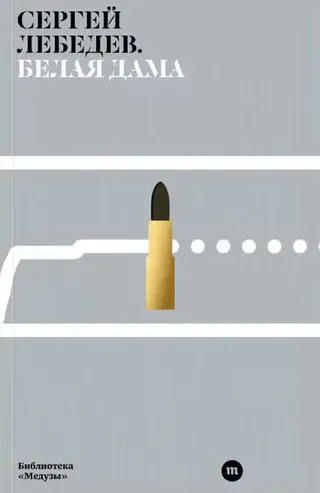 Publisher's note to "Belaia dama" by Sergei Lebedev
Paratext
2024
From the author to "Evridika, prover', vykliuchila li ty gaz" by Tatiana Zamirovskaya
Tatiana Zamirovskaya
Paratext
2023
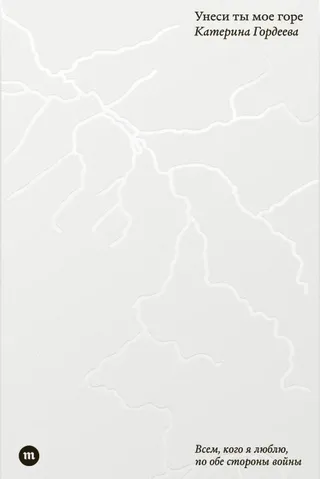 Publisher's note to "Unesi ty moe gore" by Ekaterina Gordeeva
Paratext
2026
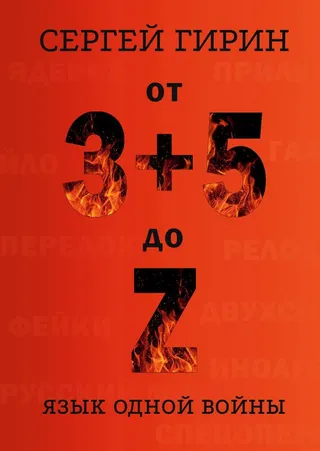 Foreword to "Ot 3+5 do Z" by Sergei Girin
Tamina Kucher
Paratext
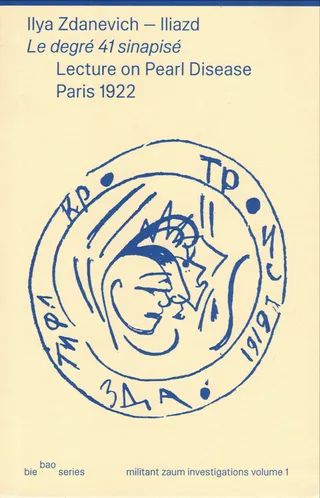
 Introduction to "Le degré 41 sinapisé" by Ilya Zdanevich
Sezgin Boynik
June 2022
Paratext
Note on Le degré 41 sinapisé
Marzio Marzaduri
June 2022
Paratext
2026
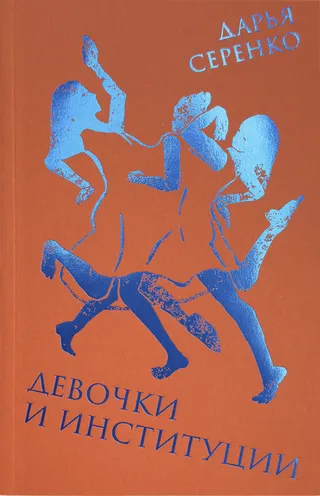
 A Preface from a Girl Who Has Outgrown Her Institutions
Daria Serenko
Transcript coming soon
Review
 The Third Space
Mark Lipovetsky
Review
The Language of the Beast
Nikolai Aleksandrov
25 August 2024
Review
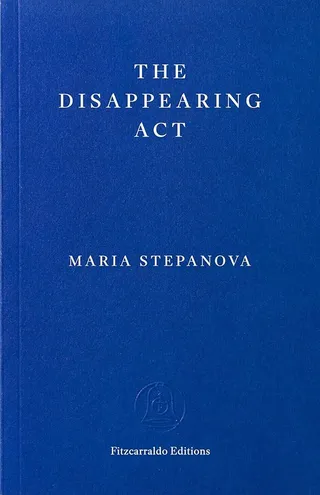 The Disappearing Act by Maria Stepanova Review - a poetic exploration of Russian guilt
Anna Aslanyan
18 February 2026
Review
The Hero's Disappearance
Igor Gulin
24 August 2024
Review
Traveling with the Beast in Your Pocket
Anna Nuzhdina
7 October 2024
Review
The Circus is Gone
Denis Sorokotiagin
November 2024
Review
The Death Defying Act
Olga Timofeeva
Review
The Disappearing Act by Maria Stepanova — from the belly of the beast
Mathew Janney
12 February 2026
Review
Announcing Our February Book Club Selection: The Disappearing Act by Maria Stepanova
Sam Bowden
26 February 2026
Review
The Disappearing Act by Maria Stepanova
Brock Covington
17 February 2026
Review
2026
The Disappearing Act by Maria Stepanova (review)
Kevin Platt
Review
Fed Up With Her Country, a Writer Finds New Life in Another
John Self
28 February 2026
Review
Fiction: 'The Disappearing Act' by Maria Stepanova
Sam Sacks
26 March 2026
Review
The Disappearing Act by Maria Stepanova and Sasha Dugdale: A slim novella of disconnection
Rachel Andrews
28 February 2026
Review
Art imitates Maria Stepanova’s life in The Disappearing Act, about a Russian writer in exile
Luke Warde
13 March 2026
Review
Writer Maria Stepanova's Disappearing Act and the Search for Identity
Andrei Muchnik
24 November 2024
Review
Feeding the Beast
Natasha Randall
6 March 2026
Review
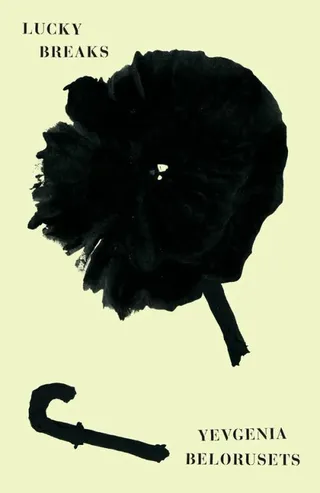 Eugene Ostashevsky on "Lucky Breaks" by Yevgenia Belorusets
Eugene Ostashevsky
26 February 2022
Paratext
 Translator's afterword to "My Beloved Russia" by Elena Kostyuchenko
Satoko Takayanagi
August 2025
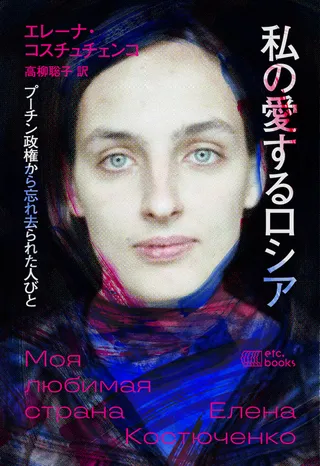
Translator's Afterword by Satoko TakayanagiThis book is a complete translation of "My Beloved Russia" by Russian journalist Elena Kostyuchenko.The original was written in Russian, but due to its anti-government content, an English version, "My Beloved Russia," was announced to be published first by The Bodley Head Ltd. in London in October 2023. Under the strict censorship of recent years, it was thought that publishing the original Russian version within Russia would be difficult. However, the independent media outlet "Meduza" established a publishing division and decided to publish the…
Paratext
2025
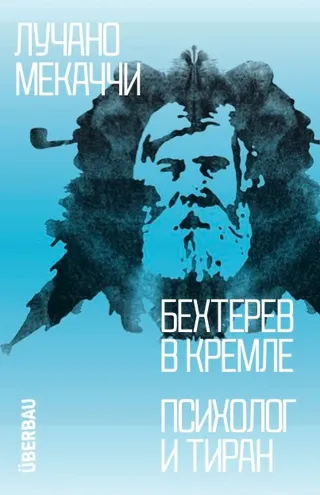 Censorship and Self-censorship
Lucciano Mecacci
Review
2025
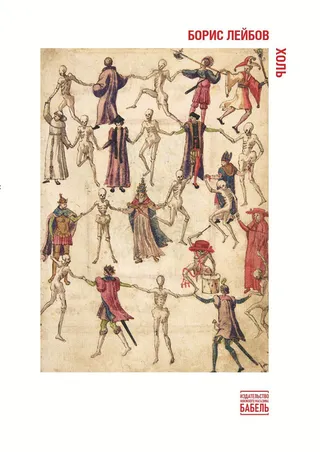 V promezhutke
Leonid Dubakov
"The book’s best novella is Khol'. It is also the most merciless towards people. The resurrection of the dead is a problem, a calamity, a source of annoyance, revulsion, necrocide. But the characters in this part kill differently and for a different purpose. Leibov, in Nabokov’s manner, deals out the cards: king, queen, knave — Leonid, Ella, Roman — meet in a compartment of a train bound for a big city. In a languid and drowsy noon, desire and the sense of impending nightmare hang in the air. The inner design of the compartment becomes a love triangle; for Roman, an ordinary romance begins.…
Paratext
2026
 Editorial note to "Car février n’en finit plus…" by Zhenya Berkovich
Review
Mertvets ispugalsia: knigi nedeli
30 January 2025
"Boris Leibov’s new book is a mosaic of standalone short stories, united, you might say, by the motif of fragility, or even the illusory nature of our notion of life and death, the living and the dead. One person might seem alive, but in fact, they are a dead man burning in hell, and another dead man is surely more vigorous than some of those alive; he is a politician more influential than certain deputies and senators, who, on their own two feet, show up to work.In Khol', recruits defend the borders from the dead men, which they are none too happy about — rather, they are scared; children…
Interview
Vsia khol' evreiskogo naroda: interviiu s pisatelem Borisom Leibovym
Ekaterina Vrubelevskaia
16 July 2025
"Humanity has enough problems as it is. Why did you decide to unleash zombies on us?It was all conceived as satire. Since we all grew up on zombie horror — a zombie is something ragged and terrifying, something that must devour a person. Here, they are people who came back exactly the same as they were — except they have nowhere to go. Neither can they find a place for themselves, nor has Bituah Leumi (Israel's National Insurance Institute — author's note) adjusted to change. Because the housing problem hasn't gone anywhere, and those who came back from the other side have nowhere to live. My…
Review
 Sushchestvovat naedine s soboi
Uliana Iakovleva
4 July 2026
"Boris Leibov is a master of complex and lyrical prose, and this is not his first book devoted to love. Nevertheless, with each new book, Leibov sheds an old version of himself. The novella, Fiamet, is unlike the Petty Prince or the short stories from the same-name collection; Nabokovian tenacious materiality, which is, seemingly, so characteristic of Leibov, turns into Gazdanovian melancholic sparsity in the new book […] The plot is: the hero’s girlfriend left him and turned out to be married to someone else. He falls into a psychotic state, which disrupts his connection with reality.…
Review
6 novykh knig na russkom, chtoby pochustvovat sviaz s proshlym
Liza Birger
11 May 2026
"Fiamet is a short but very concentrated book that opens with a breakup: in the first pages, the hero’s beloved leaves him, and the grief of a breakup takes over both his fate and the text. The title is a reference to Boccaccio’s Fiammetta, both the pseudonym he gave his real-life beloved and the name of his novella in which the suffering of unrequited love is told in the first person by the heroine. Fiamet mesmerizes both as a stylistic experiment, with its constant shifts in register and allusions to Russian avant-garde prose — at once Olesha and Shishkin — and, above all, as an attempt to…
Paratext
2026
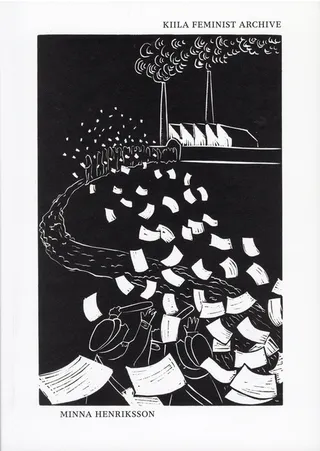 The Circle as Methodology
Lily Hall
Paratext
2026
An Introduction to Kiila Feminist Archive Bibliography
Minna Henriksson
Review
A Russian Journalist’s Love Letter to Her People
17 October 2023
“I Love Russia” is a provocative title for a book published in 2023. After President Vladimir Putin stunned the world by invading Ukraine in February 2022, professing a love for Russia has been risky in the West, where the author, the Russian journalist Elena Kostyuchenko, has been forced into exile, and where even the prospect of Russian writers appearing on a literary panel causes controversy. But Kostyuchenko’s deep affection for Russia’s people is evident in her empathetic and nuanced reporting.There is already a surfeit of books about Putin’s war and how it has affected Russia’s place in…
Paratext
2026
 The Fenichev Phenomenon
Leonid Desyatnikov
Interview
About the new book, duty, and love for the motherland
9 July 2024
In Autumn of 2023 you released a book. How did the idea to write it come to you? "I had been thinking that I should write it since 2015. That year, I first started thinking about it, as the war in Donbass was already underway. I was working there and knew that our soldiers were there, and that they were dying. I didn’t understand where their relatives were, why they weren’t protesting or trying to bring their loved ones back. I began trying to find families, which was difficult, as Russia did not acknowledge participation in the war. But I managed to find a few families. One woman agreed to…
Review
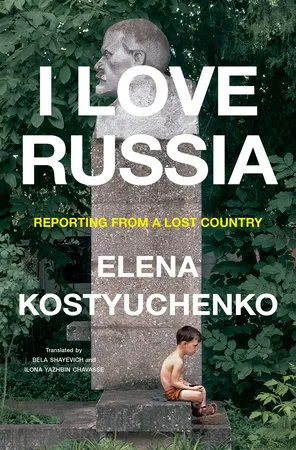 I Love Russia by Elena Kostyuchenko – Reportage at its Best.
Luke Harding
17 October 2023
Kostyuchenko is a celebrated Russian journalist…who works for Novaya Gazeta. Or at least she did. The Moscow-based independent opposition newspaper was shut down last year after Vladimir Putin’s full-scale invasion of Ukraine. Kostyuchenko describes Novaya as “the best newspaper on earth”. A provincial kid who grew up in the Moscow region, she discovered journalism at the age of 14 through the writings of Anna Politkovskaya. At 17, she joined the paper. It became her intellectual home, and a thorn in the side of Putin’s regime. Her book I Love Russia brings together many of her published…
Review
Book Review: I Love Russia: Reporting from a Lost Country, and Take My Grief Away: Voices from the War in Ukraine
Sam Thorne
7 August 2024
In a talk at Columbia University, Kostyuchenko suggests that her choice of title was an attempt to reclaim concepts of ‘love’ and ‘patriotism’ from the narrow interpretations that Putin would impose on them. She argues that the ‘greatest form of love and patriotism is criticism’. However, she does not develop these ideas in the book, which perhaps could have done with a clarifying introduction… Without one, the book loses some thematic coherence and leaves Kostyuchenko’s feelings about her country open to misinterpretation.This is not a fatal flaw because in other respects the book is…
Mezhdu bol'shinstvom i odinochestvom
Ilya Kukulin
13 December 2024
Review
Conversations of the Fleeing. Polina Barskova on Linor Goralik's "Exodus-22 / Исход-22"
Polina Barskova
10 September 2025
Recently, the publishing house Tamizdat project released a book about emigration, loss, and catastrophe: Linor Goralik’s “Исход-22 / Exodus 22”. It is a mosaic of people’s voices and testimonies who were forced to leave Russia after the war began. Polina Barskova, a poet and philologist, wrote a review of Goralik’s book specifically for слов_вне_себя. We know where the fault line passed. But the lines? Despite the singular catastrophic streak that broke modern Russian history into a before and after, a million other lines appeared, a million lives broken. Who is going to answer for all these…
Review
2024
Review of "Nothing unfrightening" by Siarhiej Pryłucki
Andrej Chadanovič
“Daddy, sing me a lullaby…”“Нічога нястрашнага” (“Nothing unfrightening”, 2024) is among the most sincere, piercing and painful books in our modern poetry. This is probably also the most piercing collection of poems by Siarhiej Pryłucki, Ukrainian citizen and Belarusian author.Pryłucki has already written a very painful book that was enough to raise one’s hair: “Эўрыдыка не азіраецца” (“Eurydice does not look back”, 2021). But in that book, the Belarusian tragedy of suppressed uprising and brutal purges was seen from Bucha near Kyiv. Now Bucha itself has become the epicenter of pain. The…
Review
"Gde-to v kosmose posredine moria": Yulia Podlubnova o knige stikhov "My vse popravili" Fedora Svarovskogo
Yulia Podlubnova
11 February 2025
Paratext
2025
Translator's note to "Journey to the Land of Movies" by Viktor Shklovsky
Adam Ranđelović
Paratext
2025
Proofreader's note to "Journey to the Land of Movies" by Viktor Shklovsky
Dahlia el Broul
Review
Maria Stepanova, to Be and Not to Be an Implicated Party
Valentina Parisi
28 September 2025
A fearless author whose verses thrive on the juxtaposition of stylistic registers and seemingly incompatible idiolects, Maria Stepanova has never shied away from combining the sublime with the trivial, the tragic with the ridiculous, the substantial with the fatuous. As if any tone, prolonged beyond what is permissible, ultimately discredited itself and called for its opposite to become plausible again. This preference for sharp contrasts seems to have also influenced her most recent work in prose, The Disappearing Act, published last year and now available from Bompiani in Cristina Moroni’s…
Review
Enduring Vulnerability. Denis Larionov on the poetry anthology "There's a War in My Body"
Denis Larionov
20 November 2025
Review
The Wrong Giant: Kirill Korchagin on Mikhail Sukhotin's "Wrong Poems"
Kirill Korchagin
9 September 2025
Review
Amid Savagery, “None but the Martyr Is a Hero”
Denis Larionov
29 July 2025
Discussing Pavel Kushnir and his oeuvre is no easy task because of his martyrial death in the Birobidzhan detention center — officially the result of a hunger strike, despite all signs pointing to Kushnir having been physically abused in jail. Kushnir was sent to prison after an anonymous denunciation was made about a video he posted on YouTube that heavily criticized the invasion of Ukraine and the Putin regime on the whole. The narrative of Pavel Kushnir’s death imposes a certain amount of responsibility on those who write about him, demanding, above all else, an exactitude in statement and…
Review
Shortlist for the "Dar" Prize: Riva Evstifeeva's "Boarding School Stories"
Alena Fokeeva
14 May 2025
Review
Splitting the liberated subject or anti-Nabokov
Evgeniya Vezhlyan
18 April 2025
Review
The Promise of a Monument
Aren Vanyan
13 March 2025
Review
The River Doesn't Play. Lev Oborin on Vera Polozkova's "Lost and Found"
Lev Oborin
15 January 2025
Review
Fokus, ili Tekst kak escape
Evgeniya Vezhlyan
8 November 2024
Review
Lysistrata of Eastern Europe
Yulia Podlubnova
2 October 2024
Source
MY LITERARY PRIZE. BORIS AKUNIN
Anna Berseneva
20 November 2024
Review
2023
Sometimes it's better to remain silent than to speak
Ekaterina Ageeva
Review
Fokus - kniga Marii Stepanovoy o geroine nablyudayuschey za voynoy Rossii i Ukrainy izdaleka
24 August 2024
Review
Slezy hudozhnika - kak ustroen birobidzhanskiy dnevnik Pavla Kushnira
12 July 2025
Review
But we don’t love her for that: Elena Kostyuchenko’s book “My Favorite Country” as an attempt to explain the present
Sasha Montegrew
22 February 2024
Paratext
2025
Vmesto predisloviia
Daria Apakhonchich
Paratext
2026
en guise de préface
Daria Apakhonchich
Paratext
2026
Protivosmertie
Dmitry Vedeniapin
Transcript coming soon
Paratext
2026
O Khodaseviche
Dmitry Vedeniapin
Transcript coming soon
Paratext
2026
Preface to Piesy by Alexei Paperny
Dmitry Bykov
Paratext
2026
Preface to "Ugolovka" by Igor Zolotaryov
Dmitry Bykov
Transcript coming soon
Paratext
2024
Publisher's note to "Ne o voine" by Zhenia Berezhnaia
Paratext
2024
Preface to "Communiqués" by Maria Galina
Paratext
2024
Introduction to "Berlin khaltura. 1922" by Ilya Zdanenich
Roman Utkin
Paratext
2025
Editorial note to "Lostlingual" by Dinara Rasuleva
Eugene Ostashevsky
Paratext
2024
Publisher's note to "Belaia dama" by Sergei Lebedev
Paratext
2024
From the author to "Evridika, prover', vykliuchila li ty gaz" by Tatiana Zamirovskaya
Tatiana Zamirovskaya
Paratext
2023
Publisher's note to "Unesi ty moe gore" by Ekaterina Gordeeva
Paratext
2026
Foreword to "Ot 3+5 do Z" by Sergei Girin
Tamina Kucher
Paratext
Introduction to "Le degré 41 sinapisé" by Ilya Zdanevich
Sezgin Boynik
June 2022
Paratext
Note on Le degré 41 sinapisé
Marzio Marzaduri
June 2022
Paratext
2026
A Preface from a Girl Who Has Outgrown Her Institutions
Daria Serenko
Transcript coming soon
Review
The Third Space
Mark Lipovetsky
Review
The Language of the Beast
Nikolai Aleksandrov
25 August 2024
Review
The Disappearing Act by Maria Stepanova Review - a poetic exploration of Russian guilt
Anna Aslanyan
18 February 2026
Review
The Hero's Disappearance
Igor Gulin
24 August 2024
Review
Traveling with the Beast in Your Pocket
Anna Nuzhdina
7 October 2024
Review
The Circus is Gone
Denis Sorokotiagin
November 2024
Review
The Death Defying Act
Olga Timofeeva
Review
The Disappearing Act by Maria Stepanova — from the belly of the beast
Mathew Janney
12 February 2026
Review
Announcing Our February Book Club Selection: The Disappearing Act by Maria Stepanova
Sam Bowden
26 February 2026
Review
The Disappearing Act by Maria Stepanova
Brock Covington
17 February 2026
Review
2026
The Disappearing Act by Maria Stepanova (review)
Kevin Platt
Review
Fed Up With Her Country, a Writer Finds New Life in Another
John Self
28 February 2026
Review
Fiction: 'The Disappearing Act' by Maria Stepanova
Sam Sacks
26 March 2026
Review
The Disappearing Act by Maria Stepanova and Sasha Dugdale: A slim novella of disconnection
Rachel Andrews
28 February 2026
Review
Art imitates Maria Stepanova’s life in The Disappearing Act, about a Russian writer in exile
Luke Warde
13 March 2026
Review
Writer Maria Stepanova's Disappearing Act and the Search for Identity
Andrei Muchnik
24 November 2024
Review
Feeding the Beast
Natasha Randall
6 March 2026
Review
Eugene Ostashevsky on "Lucky Breaks" by Yevgenia Belorusets
Eugene Ostashevsky
26 February 2022
Paratext
Translator's afterword to "My Beloved Russia" by Elena Kostyuchenko
Satoko Takayanagi
August 2025
Translator's Afterword by Satoko TakayanagiThis book is a complete translation of "My Beloved Russia" by Russian journalist Elena Kostyuchenko.The original was written in Russian, but due to its anti-government content, an English version, "My Beloved Russia," was announced to be published first by The Bodley Head Ltd. in London in October 2023. Under the strict censorship of recent years, it was thought that publishing the original Russian version within Russia would be difficult. However, the independent media outlet "Meduza" established a publishing division and decided to publish the…
Paratext
2025
Censorship and Self-censorship
Lucciano Mecacci
Review
2025
V promezhutke
Leonid Dubakov
"The book’s best novella is Khol'. It is also the most merciless towards people. The resurrection of the dead is a problem, a calamity, a source of annoyance, revulsion, necrocide. But the characters in this part kill differently and for a different purpose. Leibov, in Nabokov’s manner, deals out the cards: king, queen, knave — Leonid, Ella, Roman — meet in a compartment of a train bound for a big city. In a languid and drowsy noon, desire and the sense of impending nightmare hang in the air. The inner design of the compartment becomes a love triangle; for Roman, an ordinary romance begins.…
Paratext
2026
Editorial note to "Car février n’en finit plus…" by Zhenya Berkovich
Review
Mertvets ispugalsia: knigi nedeli
30 January 2025
"Boris Leibov’s new book is a mosaic of standalone short stories, united, you might say, by the motif of fragility, or even the illusory nature of our notion of life and death, the living and the dead. One person might seem alive, but in fact, they are a dead man burning in hell, and another dead man is surely more vigorous than some of those alive; he is a politician more influential than certain deputies and senators, who, on their own two feet, show up to work.In Khol', recruits defend the borders from the dead men, which they are none too happy about — rather, they are scared; children…
Interview
Vsia khol' evreiskogo naroda: interviiu s pisatelem Borisom Leibovym
Ekaterina Vrubelevskaia
16 July 2025
"Humanity has enough problems as it is. Why did you decide to unleash zombies on us?It was all conceived as satire. Since we all grew up on zombie horror — a zombie is something ragged and terrifying, something that must devour a person. Here, they are people who came back exactly the same as they were — except they have nowhere to go. Neither can they find a place for themselves, nor has Bituah Leumi (Israel's National Insurance Institute — author's note) adjusted to change. Because the housing problem hasn't gone anywhere, and those who came back from the other side have nowhere to live. My…
Review
Sushchestvovat naedine s soboi
Uliana Iakovleva
4 July 2026
"Boris Leibov is a master of complex and lyrical prose, and this is not his first book devoted to love. Nevertheless, with each new book, Leibov sheds an old version of himself. The novella, Fiamet, is unlike the Petty Prince or the short stories from the same-name collection; Nabokovian tenacious materiality, which is, seemingly, so characteristic of Leibov, turns into Gazdanovian melancholic sparsity in the new book […] The plot is: the hero’s girlfriend left him and turned out to be married to someone else. He falls into a psychotic state, which disrupts his connection with reality.…
Review
6 novykh knig na russkom, chtoby pochustvovat sviaz s proshlym
Liza Birger
11 May 2026
"Fiamet is a short but very concentrated book that opens with a breakup: in the first pages, the hero’s beloved leaves him, and the grief of a breakup takes over both his fate and the text. The title is a reference to Boccaccio’s Fiammetta, both the pseudonym he gave his real-life beloved and the name of his novella in which the suffering of unrequited love is told in the first person by the heroine. Fiamet mesmerizes both as a stylistic experiment, with its constant shifts in register and allusions to Russian avant-garde prose — at once Olesha and Shishkin — and, above all, as an attempt to…
Paratext
2026
The Circle as Methodology
Lily Hall
Paratext
2026
An Introduction to Kiila Feminist Archive Bibliography
Minna Henriksson
Review
A Russian Journalist’s Love Letter to Her People
17 October 2023
“I Love Russia” is a provocative title for a book published in 2023. After President Vladimir Putin stunned the world by invading Ukraine in February 2022, professing a love for Russia has been risky in the West, where the author, the Russian journalist Elena Kostyuchenko, has been forced into exile, and where even the prospect of Russian writers appearing on a literary panel causes controversy. But Kostyuchenko’s deep affection for Russia’s people is evident in her empathetic and nuanced reporting.There is already a surfeit of books about Putin’s war and how it has affected Russia’s place in…
Paratext
2026
The Fenichev Phenomenon
Leonid Desyatnikov
Interview
About the new book, duty, and love for the motherland
9 July 2024
In Autumn of 2023 you released a book. How did the idea to write it come to you? "I had been thinking that I should write it since 2015. That year, I first started thinking about it, as the war in Donbass was already underway. I was working there and knew that our soldiers were there, and that they were dying. I didn’t understand where their relatives were, why they weren’t protesting or trying to bring their loved ones back. I began trying to find families, which was difficult, as Russia did not acknowledge participation in the war. But I managed to find a few families. One woman agreed to…
Review
I Love Russia by Elena Kostyuchenko – Reportage at its Best.
Luke Harding
17 October 2023
Kostyuchenko is a celebrated Russian journalist…who works for Novaya Gazeta. Or at least she did. The Moscow-based independent opposition newspaper was shut down last year after Vladimir Putin’s full-scale invasion of Ukraine. Kostyuchenko describes Novaya as “the best newspaper on earth”. A provincial kid who grew up in the Moscow region, she discovered journalism at the age of 14 through the writings of Anna Politkovskaya. At 17, she joined the paper. It became her intellectual home, and a thorn in the side of Putin’s regime. Her book I Love Russia brings together many of her published…
Review
Book Review: I Love Russia: Reporting from a Lost Country, and Take My Grief Away: Voices from the War in Ukraine
Sam Thorne
7 August 2024
In a talk at Columbia University, Kostyuchenko suggests that her choice of title was an attempt to reclaim concepts of ‘love’ and ‘patriotism’ from the narrow interpretations that Putin would impose on them. She argues that the ‘greatest form of love and patriotism is criticism’. However, she does not develop these ideas in the book, which perhaps could have done with a clarifying introduction… Without one, the book loses some thematic coherence and leaves Kostyuchenko’s feelings about her country open to misinterpretation.This is not a fatal flaw because in other respects the book is…
Loading...