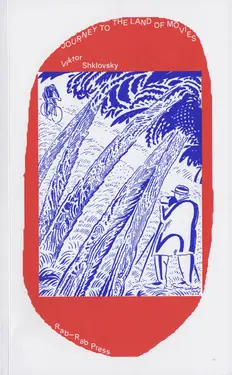
Journey to the Land of Movies was written almost a century ago, and whether ideological or not, I’m not sure much has changed about the way the US is seen. The land of opportunity has always been synonymous with the land of opportunists—ready to feed each other to a tiger if it means saving your own ass. Of course, this is hyperbole—not all people there are like that. But often, I wonder how the country, or any country for that matter, divides its people—or are we dividing ourselves? What is the connective tissue that makes a person Russian or American? Is it only to be born there?
I have never felt particularly American, but also not quite enough Egyptian, Polish, Russian, or any of the other places my heritage flows from. Growing up in New York City, with a small family who celebrated few traditions, my sense of culture always felt more informed by the motley crew of characters in my building and other escapades on West 45th Street than it did by ideas wrapped up in flags. Therefore, it makes me wonder what it would feel like to have a place that calls you back—not specific people.
Even though his context (shaped by the promise and upheaval following the Russian Revolution) is entirely different from my own experience, there is something in Kolya’s urge to go home that is both familiar and confounding. He dreams of returning to a place where he had absolutely nothing—not even a friend. A place that needs him to be brave, but for whom and what?
What I admire about this book are the narratives around exploitation, working-class labour, friendship, messy truths, and hopes. As someone now doing an artistic research PhD on children’s picturebooks, I’m fascinated by the ways these materials offer a place to understand history and reveal political realities. Children’s stories need not be polished to show only when we adults get it right, but also the places where we continue to have questions without any answers.
Dahlia El Broul