Sources 236
Filters
Review
Abram Terts. Beasts and Men
January 1980
https://www.nybooks.com/articles/1980/01/24/beasts-and-men/
Review
1975
 Abram Terts. Men and Beasts
Review
1973
 Aleksei Kiselev. Review of Chevengur by Andrei Platonov
Aleksei Kiselev
Review
 Alexander Werth. A Classic of the Purge
Alexander Werth
February 1967
It is to be hoped that this remarkable and superbly written little book will soon be published in English. It is just as significant and, in its own way, fully as masterly as Alexander Solzhenitsyn’s One day in the life of Ivan Denisovich. Like that book, it will rank as one of the classics of Russian “purge literature.” In Ivan Denisovich we are shown life in a Stalinist concentration camp; in Chukovskaya’s Deserted House we are told of the hideous machinery which was used for sending thousands of innocent people to concentration camps at the height of the Yezhovshchina in 1937-38.The…
Review
 Alexandre Bachrach. A Member of the Oberiu
Alexandre Bachrach
August 1982
Review
Alexandre Bachrach. Neoplatonivizm
Alexandre Bachrach
February 1983
Review
 Anatole Broyard. A Matter of Literary Politics
Anatole Broyard
31 March 1976
Review
 Anatoly Darov. Bulgakov's resurrection
Anatoly Darov
March 1968
Review
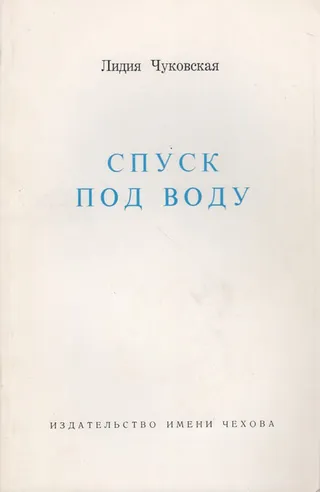 Andrei Klenov. A Splendid Book
Andrei Klenov
30 June 1974
Review
1980
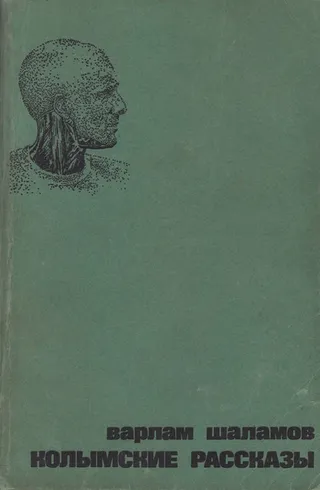
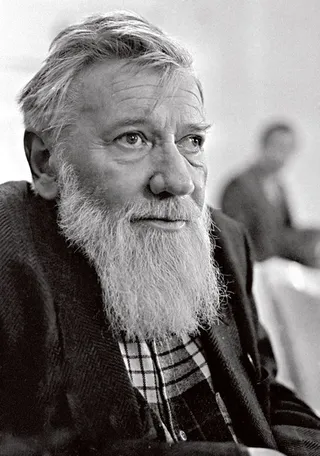 Andrei Sinyavsky. Crosssection of the Material
Andrei Sinyavsky
Review
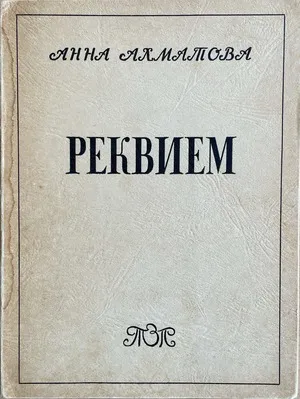
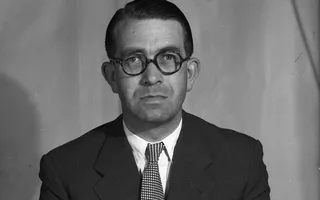 A New Voice from Russia
David Floyd
December 1963
A small booklet, some dozen pages of Russian verse has just been published in Munich. It is “Requiem”* by Anna Akhmatova, and for the first time since Pasternak’s “Doctor Zhivago,” a work by a Russian writer of acknowledged greatness has appeared in the West before being seen by the Russians.My colleague David Floyd, a great admirer of Akhmatova’s poetry, says she has conveyed more clearly than anyone before her the impact which Stalin’s terror had on the individual. Once again, as in Solzhenitsyn’s “Ivan Denisovich,” the sufferings of a whole nation and a whole generation are felt through…
Review
 Anri Volokhonsky. The Third Epic
Anri Volokhonsky
January 1981
Review
 Argus. Facts and Rumors
Mikhail Aizenshtadt-Zheleznov
August 1952
Review
 Argus. Mistakes on the Way, or a Hault in the Desert
Mikhail Aizenshtadt-Zheleznov
July 1970
Review
 Arkady Lvov. Dreamers from Chevengur
Arkady Lvov
December 1983
Review
1977
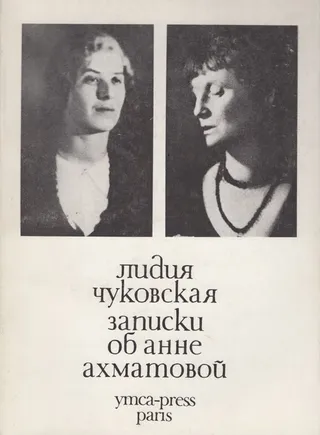 Barbara Heldt Monter. Review of Zapiski ob Anne Akhmatovoi, Vol. 1, by Lydia Chukovskaia
Barbara Heldt
Review
1985
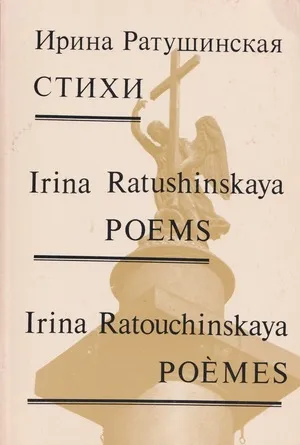 Barbara Heldt. Review of Poems by Irina Ratushinskaia
Barbara Heldt
The tripartite book Stikhi / Poems / Poèmes contains original poems in Russian, followed by English and French translations. Each section consists of a two-page introduction by Joseph Brodsky, an autobiographical sketch in prose by the author, and thirty-three of her poems. Irina Ratushinskaya, arrested at twenty-eight, is serving a seven-year term in a “strict regime camp” in Mordovia, presumably for writing the poems in this book, or rather for their “manufacture and dissemination.” Some of the poems, in the tradition of Tiutchev, Blok, Bely, and others, refer to the motherland as the…
Review
1986
 Barbara Heldt. Review of Poems. On the Edge of Sleep by Inna Lisnianskaia
Barbara Heldt
Divided into two sections, “Right Angle” and “On the Edge of Sleep,” Inna Lisnyanskaya’s collection of lyrics is both grounded in reality and visionary, as the titles suggest. The poems date from as early as 1966-68, but over half were written in 1983, the year that gave rise to this excellent volume. The poems are arranged not chronologically, but rather associatively, forming chains of words, images, and themes. Though often dictated by outside events, the poems have great stylistic unity as well as the unity of their lyric persona.The speaker, well aware that Russians expect women poets to…
Review
1983
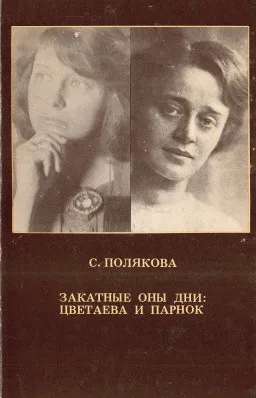 Barbara Heldt. Review of Zakatnye ony dni by Marina Tsvetaeva and Sofia Parnok
Barbara Heldt
The same impeccable scholarship that marks the author’s edition of the poetry of Sofia Parnok (Ardis, 1978) is here brought to bear on the elusive relation of life to art in the year-and-a-half-long sexual friendship between two of Russia’s great modern women poets. The volume contains primary material, including some poems and letters by Marina Tsvetaeva, and two photographs of her published for the first time. The author was able to see Tsvetaeva’s archive before it was locked away by the state, and she is the foremost authority on Parnok.Poliakova chronicles the meeting of Tsvetaeva and…
Review
 Boris Domogatskii. Notes from Hell
Boris Domogatsky
June 1968
Review
1961
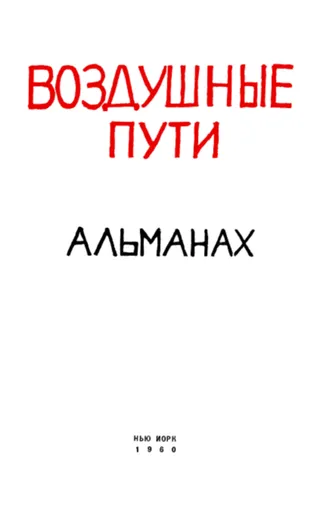
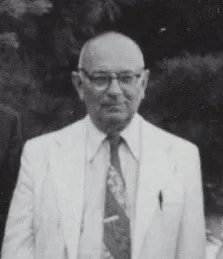 Boris Filippov. Akhmatova's 'Poem without a Hero'. Notes
Boris Filippov
Review
Boris Filippov. Joseph Brodsky
Boris Filippov
April 1965
Review
1953
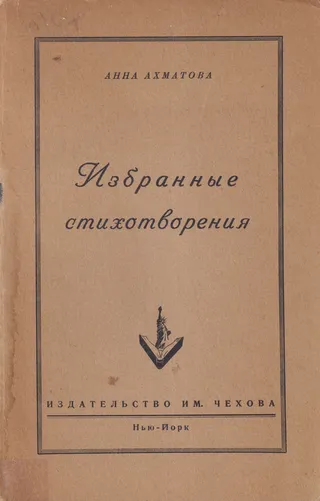 Boris Filippov. Review of Izbrannye stikhotvoreniia by Anna Akhmatova
Boris Filippov
Review
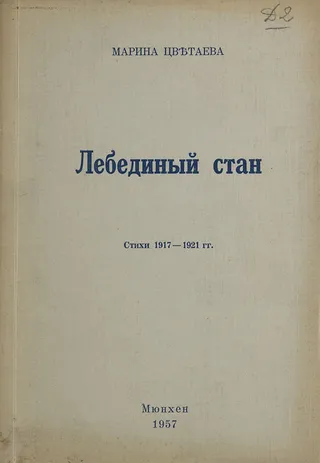 Boris Filippov. The Encampment of the Swans
Boris Filippov
March 1958
Review
Boris Nartsissov. 'The Master and Margarita' - Bulgakov's Mystery
Boris Nartsissov
September 1969
Review
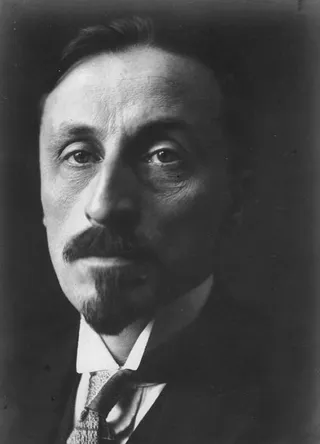 Boris Zaitsev. Days
Boris Zaitsev
January 1964
Review
1982
Byron Lindsey. Review of The Blue Lagoon Anthology, Vol. 1
Byron Lindsey
The “third wave” of Russian emigration has been generous in gifts brought to the other shore – poets and writers, thinkers and scholars. Nor do they come empty-handed: their baggage, whether in forms of manuscript or memory, is rich and heavy, as this volume well testifies. From the ample suitcase of Kuzminsky and fellow poets Limonov, Lifshits and Chernian emerge the works of other nonconformist poets writing in the 1950s and 60s in a modernist tradition. Published under the auspices of the Institute of Modern Russian Culture in Texas, this is the first of a projected five-volume anthology…
Review
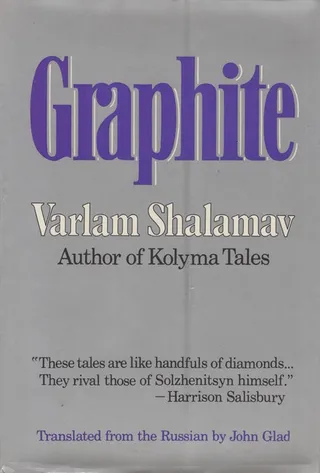
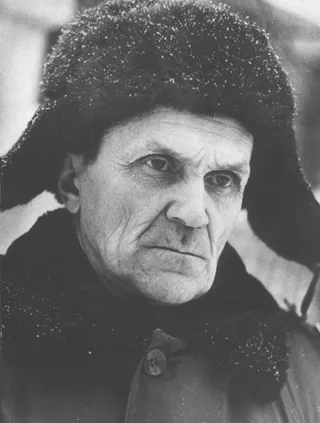 Clarence Brown. Memoirs From the House of the Dead
Varlam Shalamov
November 1981
ON ONE CHRISTMAS NIGHT in the 1930s or '40s or early '50s (the dates are not important) some prisoners are sitting around a stove in a Soviet concentration camp in Siberia. The extra degree of warmth laid on for the holiday has made them almost giddy."'You know, fellows, it would be a good thing to go home. After all, miracles do happen . . .' It was Glebov, the horse driver, speaking. He used to be a professor of philosophy and was famous in our barracks for having forgotten his wife's name a month earlier."This is as good a place as any to begin, for Varlam Shalamov's great record of…
Review
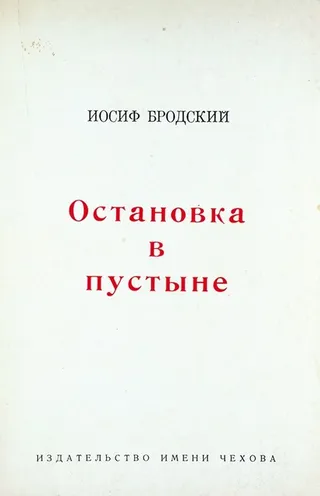
 Clarence Brown. Review of Ostanovka v pustyne by Joseph Brodsky
Clarence Brown
September 1971
Brodsky’s first book of poems appeared in New York in 1965. The present book, his second, is the first title of the Chekhov Press redivivus (under different management and a different English name, but with the identical Russian name, to keep future bibliographers on their toes). It contains seventy-one poems, of which twenty-three appeared, occasionally in unsatisfactory form, in the earlier version. The first title of a new house, the second (traditionally crucial) collection of a poet who had at the time just turned thirty (an even more fateful anniversary nowadays than it used to be) – it…
Review
Clarence Brown. Review of Vozdushnye Puti IV
Clarence Brown
December 1965
Review
David Gallagher. Friends and Enemies
David Gallagher
September 1967
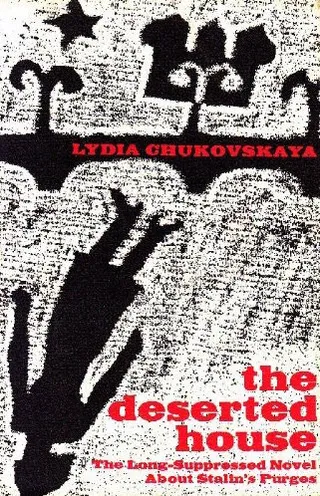
In our lengthy review of the Russian original of The Deserted House (TLS, February 16, 1967) we hoped “that this remarkable and superbly written little book will soon be published in English[.”] Now, six months later, we have Aline Werth’s excellent translation. Of all the “purge” books that have come here to our knowledge The Deserted House is somehow the most moving of all. Solzhenitsyn’s One Day in the Life of Ivan Denisovich describes the daily routine in a camp: General Gorbatov’s Years off My Life deals specifically with the Gestapo-like methods applied to the military soon after the…
Review
 David Gallagher. Somewhere in Leningrad
David Gallagher
28 August 1967
Review
Down into the Past
August 1972
Review
1973
D. Rudnev. Review of Chevengur by Andrei Platonov
D. Rudnev
Review
E.B. Going Under
E.B.
19 November 1972
Review
 Eduard Limonov. What They Read in Moscow
Boris Pasternak
March 1975
Review
1969
 Edward J. Czerwinski. The Bulgakov Phenomenon
Edward Czerwinski
Review
1977
Ekaterina Breitbart. The Keeper of Traditions (Lydia Korneevna Chukovskaia)
Ekaterina Breitbart
Review
 Ekaterina Tauber. Indomitable Conscience (on the poetry of Anna Akhmatova)
Ekaterina Tauber
May 1963
Review
Eliot Fremont-Smith. The Devil in Moscow, Plus Gremlins
Eliot Fremont-Smith
20 October 1967
Review
1965
 Emmanuil Rais. Leningradskii Gamlet (o stikhakh I. Brodskogo)
Emmanuil Rais
Review
1963
 Erge Roman Grynberg. Reading 'Poem without a Hero'
Roman Grynberg
Review
1972
Evelyn Bristol. Review of Ostanovka v pustyne (1970) by Joseph Brodsky
Evelyn Bristol
However much Brodskij has learned from Western poets such as John Donne and T.S. Eliot, his verse stems primarily from Russian poetry of the generation of Axmatova and Pasternak. He shares with poets of that era their ability to create serious poetry out of seemingly inconsequential material and their high regard for craftsmanship (“Ja zaražen normal’nym klassicizmom”). He has a thoroughly contemporary voice: he is distrustful of metaphysics, concerned with cultural values, and nostalgic for human warmth. He has a low-key style and a wariness of solemnity. These traits could already be seen…
Review
 F.D. Reeve. Review of Selected Poems (1973) by Joseph Brodsky
Frank Reeve
October 1974
Review
1956
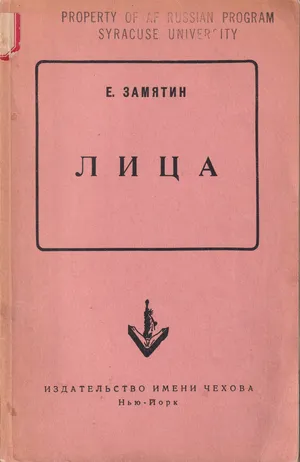 G.A. Review of Litsa by Evgeny Zamiatin
G.A.
Review
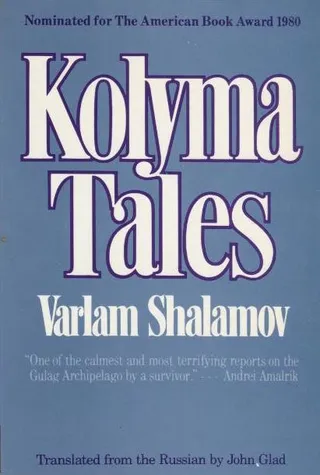 Gene Sosin. Survivor's Poetic Memoir of Stalin's Worst Camp
Gene Sosin
23 April 1980
Review
Gennady Andreev. On Shalamov's Book
Gennady Khomiakov
12 April 1979
V. Shalamov did not bother asking and answering the question about survival in his Kolyma Tales, although, at the same time, there is an answer in his stories, but not one that is thoroughly put together or emphasized, – as if to “expose” the evil (in ourselves?) is far simpler and more interesting. The interesting part makes it so that if you do not speak of the “law of survival,” the horror of communist terror remains one-sided.Shalamov’s stories about Kolyma camps were published at the end of last year as a separate book in England in Russian. I think it is necessary to make a few comments…
Review
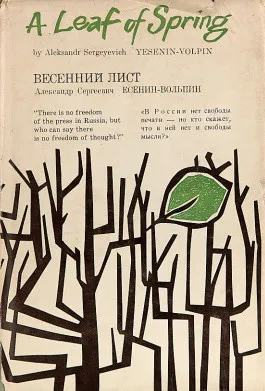
 George Gibian. Review of A Leaf of Spring by Aleksandr Esenin-Volpin
George Gibian
June 1962
This volume belongs to the growing list of works written in Russia by Russian authors which have been published abroad but remain unpublished in the USSR. The best known are Zamyatin’s We and Pasternak’s Doctor Zhivago; the most recent, the essay on socialist realism published in 1959 in L’Esprit and Dissent, “The Trial Begins” in Encounter, January, 1960, and the poems in the May-June, 1961, issue of Problems of Communism.Aleksandr Yesenin-Volpin was born in 1925, the son of the poet Sergei Esenin. He has become known in the USSR and abroad as a mathematician and logician; he has published…
Review
 George Gibian. Review of On Socialist Realism by Abram Terts
George Gibian
September 1962
This essay, we are told by the editors of the Polish journal Kultura, was written in Soviet Russia by an author who borrowed his pseudonym from a Russian student song. Smuggled abroad and first published in 1959 in L’Esprit, later in other periodicals including Dissent, this important, brief work (about sixteen thousand words) has now appeared as a book, with a thoughtful introduction by Czeslaw Milosz.Tertz, a remarkably independent thinker, desires neither to return to prerevolutionary ways nor to embrace (and be embraced by) Western democracies. He looks back with nostalgia to the…
Review
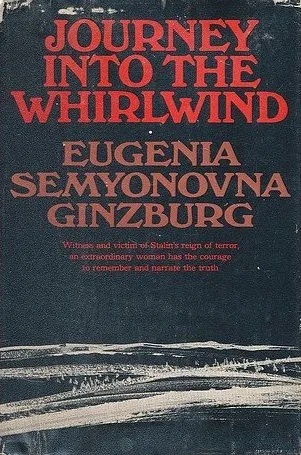 George Haupt. Review of The Deserted House (1967) by Lydia Chukovskaia and Journey into the Whirlwind by Evgenia Ginzburg
George Haupt
April 1969
Review
Georgy Adamovich. A Gift to Pasternak. The Almanac 'Vozdushnye Mosty'
Boris Pasternak
December 1959
Review
1965
Georgy Adamovich. On the Margins of Anna Akhmatova's 'Requiem'
Review
 Georgy Adamovich. On the Poetry of Evgeny Evtushenko and on Russian Poetry as a Whole
Evgeny Evtushenko
September 1966
Review
 Georgy Adamovich. Poems of the Author of 'Kolyma Tales'
Georgy Adamovich
24 August 1967
Hardly anyone who has read Kolyma Tales, which were recently published in two issues of Novyi Zhurnal without the author’s knowledge, would ever be able to forget them. In my opinion, they are scarier and more dreadful than One Day of in the Life of Ivan Denisovich that thundered across the world, and these short sketches would have probably caused as much sensation and talk had they appeared in a Soviet publication instead of the émigré one. Although, Solzhenitsyn still has the advantage of novelty and discovery: he was the first to speak on what many in the West denied and that until recent…
Review
 Georgy Adamovich. Review of Aleksandr Solzhenitsyn. Cancer Ward
Aleksandr Solzhenitsyn
May 1968
Review
Georgy Adamovich. Review of Aleksandr Solzhenitsyn. Cancer Ward
Aleksandr Solzhenitsyn
August 1968
Review
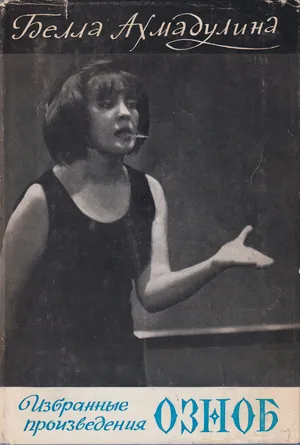
 Georgy Adamovich. The Poems of Bella Akhmadulina
Nataila Tarasova
April 1969
Review
1981
Gerald Janecek. Review of The Blue Lagoon Anthology, Vol. 1
Gerald Janecek
Kuzminsky’s anthology, the first volume of a projected five, places before us a variety of Soviet poets who have not been published in the USSR except in samizdat. That is, some have published children’s literature (Xolin, Sagpir, Satunovskij) or officially acceptable poems (Gorbovskij), but what is published here represents a side of their work not officially condoned. Most have been published in the West to some extent already, chiefly in Apollon-77 (Paris, 1977) but a few for the first time. Kuzminsky is de facto editor of the series, although he generously gives equal billing to Kovalev…
Review
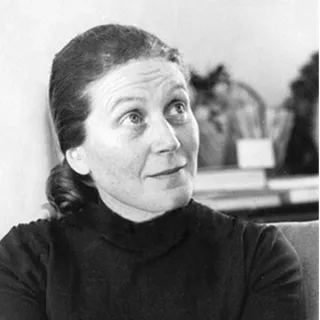 Gillian Freeman. Tyrannies
Svetlana Allilueva
August 1967
We spend much of our limited time choosing in the mistaken belief that we have a choice. Not only do we worry whether or not we are making the right decisions now, but also whether we made the right ones in the past. Caught up in external events, we act within a psychologically determined framework, and then even these actions are often frustrated. Ultimate choice is seldom, if ever, given to an individual. The torment of choosing and the wish to do right when life, in one way or another, imposes an emotional or political tyranny is a relating theme in these four novels. While we wait for…
Review
 Gleb Struve. Review of The Master and Margarita by Mikhail Bulgakov
Gleb Struve
July 1968
Review
Going Under
October 1976
Review
Grigory Aronson. Review of Novyi Zhurnal, №83
Yuri Bolshukhin
June 1966
Review
G. Volkov. New Edition of 'Krutoi Marshrut'
G. Volkov
March 1985
Review
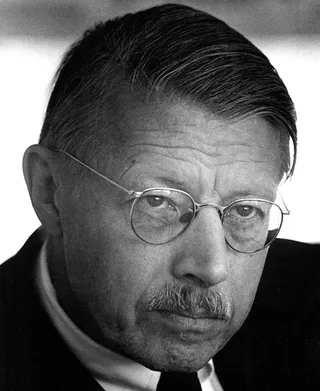 Harrison E. Salisbury. Loyalty was the Error
Harrison Salisbury
11 November 1967
Review
 Harrison Salisbury. Russian Dissenters
Harrison Salisbury
5 May 1963
No contemporary movement in literature is attracting more current attention than that of the “new wave” of young Soviet writers, bursting through the bonds of the long Stalinist enslavement into the new and novel grounds of creative initiative and imagination. Neither of the two authors here considered can be accurately placed within the outlines of the Soviet “new wave”. Yet it is against the background of the rising interest in Russian literature of dissent that their achievements must be evaluated.Abram Tertz is sometimes included by Western anthologists in collections of works by new…
Review
Helen Muchnic. Nightmares
January 1968
These books are concerned with the Stalinist purges. In Journey into the Whirlwind Eugenia Ginzburg sets down the chronicle of her own imprisonment and exile; in The Deserted House Lydia Chukovskaya writes a short novel about what she saw in 1937. The document seems a nightmare fantasy, the novelette a document.When Kirov was assassinated in 1934 – this was the prelude to 1937 – Eugenia Ginzburg was teaching in the Teachers’ Training Institute at Kazan and editing a local paper, Red Tartary. Her husband held a prominent position in the Tartar Province Committee of the Party, and they were…
Review
Henry Gifford. A Poet for Her People
November 1977
Review
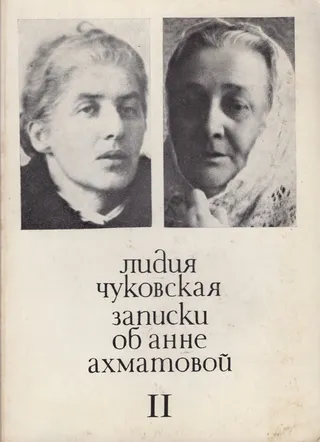 Henry Gifford. Terror and the Muse
August 1981
Review
Henry Raymont. Soviet Novel Due in 2 U.S. Versions. Bulgakov Work Will Appear in ‘Cut’ and ‘Uncut’ Editions
Henry Raymont
13 September 1967
Review
1969
 Herman Ermolaev. Review of The Deserted House (1967) by Lydia Chukovskaia
Herman Ermolaev
Review
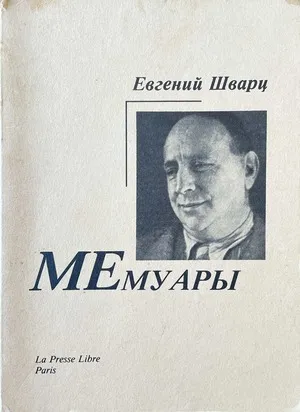
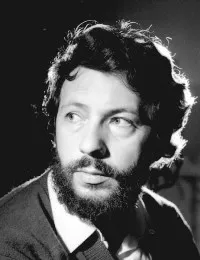 Igor Efimov. Memoirs by Evgeny Shvarts
Igor Efimov
December 1982
Review
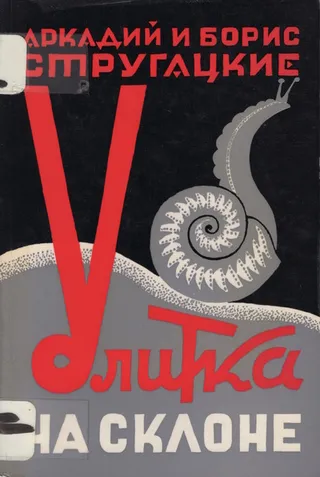 I. Ignat'ev. The Ugly Swans
I. Ignat'ev
January 1973
Review
 Irina Odoevtseva. Review of Novyi Zhurnal, №85
Irina Odoevtseva
4 May 1967
Review
 Irving Howe. Beyond Bitterness
Irving Howe
14 August 1980
Review
Jay Martin. Seventeen Years in Kolyma
Varlam Shalamov
October 1981
IN 1937 Varlam Shalamov, a rising young Soviet author, was sent to prison to pay for his ideological sins. He spent 17 years in the Kolyma region of northeastern Siberia, where the Soviet Government operated a vast gold-mining operation. He survived, not only to gain his freedom, but to describe his experiences. Last year a collection of his stories, smuggled out of Russia, was published under the title ''Kolyma Tales.'' The 24 sketches in the present collection, ''Graphite,'' are arranged in seven sections: Living, Eating, Working, Marrying, Stealing, Escaping, Dying. These headings tell us…
Review
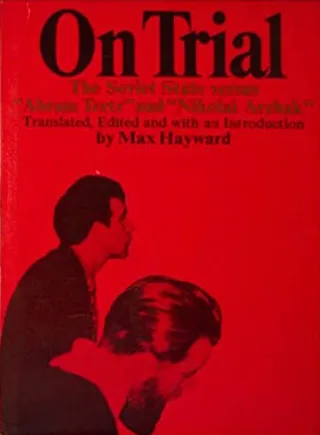 Joseph J. Darby. Review of On Trial
Joseph Darby
March 1968
Review
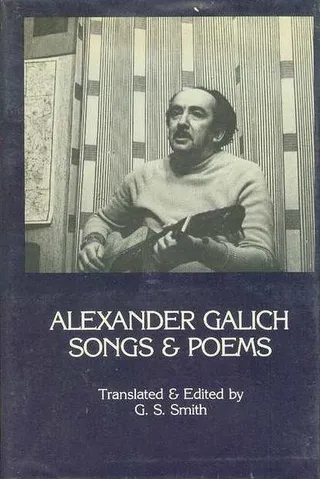 Julian Graffy. Review of Songs and Poems by Alexander Galich
Julian Graffy
July 1985
Fifty of Galich’s most famous songs and poems are collected here in translations by G.S. Smith. Though he writes in his introduction about the qualities that make them untranslatable, their ‘culture-specificity,’ their wordplay, their inalienability from Galich’s own voice and guitar, the versions provided here are as inventive and resourceful as we would expect from the man most anglophone Slavists would suggest as best qualified to make them. Those deprived of access to Galich’s voice and language will at least learn something of why he is so loved and admired.This volume is even more…
Review
Julian Graffy. Review of The Blue Lagoon Anthology, Vol. 1
Julian Graffy
April 1982
Review
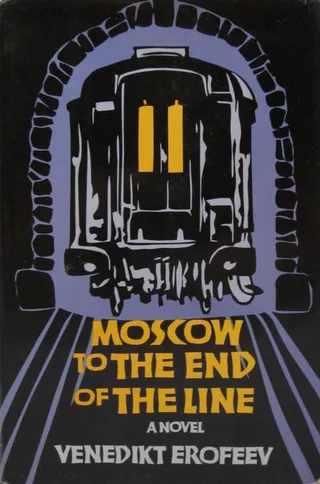
 Julian Symons. Bottoms up
Julian Symons
December 1981
How, living inside a totalitarian state, do you write about it? One answer is that of Solzhenitsyn in Cancer Ward and The First Circle: you face it head on, making fictions almost directly out of personal experience. Other approaches, allegorical or symbolic, have landed those who made them in labor camps or mental hospitals. I don’t, however, recall any other comment on the nature of Soviet society so rawly comic as this short novel by Venedikt Erofeev.Little is publicly known about Erofeev. He was, Vera S. Dunham tells us in her introduction, born in 1933 “in or near Moscow,” he “seems to…
Review
 Kasian Proshin. Train to Utopia
Kasian Proshin
January 1953
Review
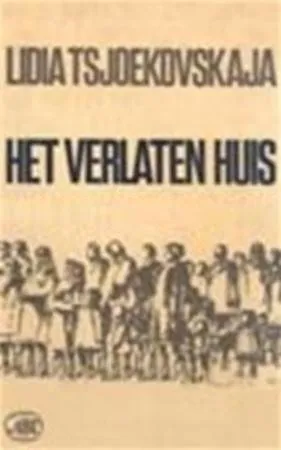
 Kees Verheul. A Russian Attempt at Accountability
Kees Verheul
January 1969
Review
 Kirill Pomerantsev. Nadezhda Mandelshtam's 'Second Book'
Kirill Pomerantsev
November 1972
Abram Terts. Men and Beasts
Review
1973
Aleksei Kiselev. Review of Chevengur by Andrei Platonov
Aleksei Kiselev
Review
Alexander Werth. A Classic of the Purge
Alexander Werth
February 1967
It is to be hoped that this remarkable and superbly written little book will soon be published in English. It is just as significant and, in its own way, fully as masterly as Alexander Solzhenitsyn’s One day in the life of Ivan Denisovich. Like that book, it will rank as one of the classics of Russian “purge literature.” In Ivan Denisovich we are shown life in a Stalinist concentration camp; in Chukovskaya’s Deserted House we are told of the hideous machinery which was used for sending thousands of innocent people to concentration camps at the height of the Yezhovshchina in 1937-38.The…
Review
Alexandre Bachrach. A Member of the Oberiu
Alexandre Bachrach
August 1982
Review
Alexandre Bachrach. Neoplatonivizm
Alexandre Bachrach
February 1983
Review
Anatole Broyard. A Matter of Literary Politics
Anatole Broyard
31 March 1976
Review
Anatoly Darov. Bulgakov's resurrection
Anatoly Darov
March 1968
Review
Andrei Klenov. A Splendid Book
Andrei Klenov
30 June 1974
Review
1980
Andrei Sinyavsky. Crosssection of the Material
Andrei Sinyavsky
Review
A New Voice from Russia
David Floyd
December 1963
A small booklet, some dozen pages of Russian verse has just been published in Munich. It is “Requiem”* by Anna Akhmatova, and for the first time since Pasternak’s “Doctor Zhivago,” a work by a Russian writer of acknowledged greatness has appeared in the West before being seen by the Russians.My colleague David Floyd, a great admirer of Akhmatova’s poetry, says she has conveyed more clearly than anyone before her the impact which Stalin’s terror had on the individual. Once again, as in Solzhenitsyn’s “Ivan Denisovich,” the sufferings of a whole nation and a whole generation are felt through…
Review
Anri Volokhonsky. The Third Epic
Anri Volokhonsky
January 1981
Review
Argus. Facts and Rumors
Mikhail Aizenshtadt-Zheleznov
August 1952
Review
Argus. Mistakes on the Way, or a Hault in the Desert
Mikhail Aizenshtadt-Zheleznov
July 1970
Review
Arkady Lvov. Dreamers from Chevengur
Arkady Lvov
December 1983
Review
1977
Barbara Heldt Monter. Review of Zapiski ob Anne Akhmatovoi, Vol. 1, by Lydia Chukovskaia
Barbara Heldt
Review
1985
Barbara Heldt. Review of Poems by Irina Ratushinskaia
Barbara Heldt
The tripartite book Stikhi / Poems / Poèmes contains original poems in Russian, followed by English and French translations. Each section consists of a two-page introduction by Joseph Brodsky, an autobiographical sketch in prose by the author, and thirty-three of her poems. Irina Ratushinskaya, arrested at twenty-eight, is serving a seven-year term in a “strict regime camp” in Mordovia, presumably for writing the poems in this book, or rather for their “manufacture and dissemination.” Some of the poems, in the tradition of Tiutchev, Blok, Bely, and others, refer to the motherland as the…
Review
1986
Barbara Heldt. Review of Poems. On the Edge of Sleep by Inna Lisnianskaia
Barbara Heldt
Divided into two sections, “Right Angle” and “On the Edge of Sleep,” Inna Lisnyanskaya’s collection of lyrics is both grounded in reality and visionary, as the titles suggest. The poems date from as early as 1966-68, but over half were written in 1983, the year that gave rise to this excellent volume. The poems are arranged not chronologically, but rather associatively, forming chains of words, images, and themes. Though often dictated by outside events, the poems have great stylistic unity as well as the unity of their lyric persona.The speaker, well aware that Russians expect women poets to…
Review
1983
Barbara Heldt. Review of Zakatnye ony dni by Marina Tsvetaeva and Sofia Parnok
Barbara Heldt
The same impeccable scholarship that marks the author’s edition of the poetry of Sofia Parnok (Ardis, 1978) is here brought to bear on the elusive relation of life to art in the year-and-a-half-long sexual friendship between two of Russia’s great modern women poets. The volume contains primary material, including some poems and letters by Marina Tsvetaeva, and two photographs of her published for the first time. The author was able to see Tsvetaeva’s archive before it was locked away by the state, and she is the foremost authority on Parnok.Poliakova chronicles the meeting of Tsvetaeva and…
Review
Boris Domogatskii. Notes from Hell
Boris Domogatsky
June 1968
Review
1961
Boris Filippov. Akhmatova's 'Poem without a Hero'. Notes
Boris Filippov
Review
Boris Filippov. Joseph Brodsky
Boris Filippov
April 1965
Review
1953
Boris Filippov. Review of Izbrannye stikhotvoreniia by Anna Akhmatova
Boris Filippov
Review
Boris Filippov. The Encampment of the Swans
Boris Filippov
March 1958
Review
Boris Nartsissov. 'The Master and Margarita' - Bulgakov's Mystery
Boris Nartsissov
September 1969
Review
Boris Zaitsev. Days
Boris Zaitsev
January 1964
Review
1982
Byron Lindsey. Review of The Blue Lagoon Anthology, Vol. 1
Byron Lindsey
The “third wave” of Russian emigration has been generous in gifts brought to the other shore – poets and writers, thinkers and scholars. Nor do they come empty-handed: their baggage, whether in forms of manuscript or memory, is rich and heavy, as this volume well testifies. From the ample suitcase of Kuzminsky and fellow poets Limonov, Lifshits and Chernian emerge the works of other nonconformist poets writing in the 1950s and 60s in a modernist tradition. Published under the auspices of the Institute of Modern Russian Culture in Texas, this is the first of a projected five-volume anthology…
Review
Clarence Brown. Memoirs From the House of the Dead
Varlam Shalamov
November 1981
ON ONE CHRISTMAS NIGHT in the 1930s or '40s or early '50s (the dates are not important) some prisoners are sitting around a stove in a Soviet concentration camp in Siberia. The extra degree of warmth laid on for the holiday has made them almost giddy."'You know, fellows, it would be a good thing to go home. After all, miracles do happen . . .' It was Glebov, the horse driver, speaking. He used to be a professor of philosophy and was famous in our barracks for having forgotten his wife's name a month earlier."This is as good a place as any to begin, for Varlam Shalamov's great record of…
Review
Clarence Brown. Review of Ostanovka v pustyne by Joseph Brodsky
Clarence Brown
September 1971
Brodsky’s first book of poems appeared in New York in 1965. The present book, his second, is the first title of the Chekhov Press redivivus (under different management and a different English name, but with the identical Russian name, to keep future bibliographers on their toes). It contains seventy-one poems, of which twenty-three appeared, occasionally in unsatisfactory form, in the earlier version. The first title of a new house, the second (traditionally crucial) collection of a poet who had at the time just turned thirty (an even more fateful anniversary nowadays than it used to be) – it…
Review
Clarence Brown. Review of Vozdushnye Puti IV
Clarence Brown
December 1965
Review
David Gallagher. Friends and Enemies
David Gallagher
September 1967
In our lengthy review of the Russian original of The Deserted House (TLS, February 16, 1967) we hoped “that this remarkable and superbly written little book will soon be published in English[.”] Now, six months later, we have Aline Werth’s excellent translation. Of all the “purge” books that have come here to our knowledge The Deserted House is somehow the most moving of all. Solzhenitsyn’s One Day in the Life of Ivan Denisovich describes the daily routine in a camp: General Gorbatov’s Years off My Life deals specifically with the Gestapo-like methods applied to the military soon after the…
Review
David Gallagher. Somewhere in Leningrad
David Gallagher
28 August 1967
Review
Down into the Past
August 1972
Review
1973
D. Rudnev. Review of Chevengur by Andrei Platonov
D. Rudnev
Review
E.B. Going Under
E.B.
19 November 1972
Review
Eduard Limonov. What They Read in Moscow
Boris Pasternak
March 1975
Review
1969
Edward J. Czerwinski. The Bulgakov Phenomenon
Edward Czerwinski
Review
1977
Ekaterina Breitbart. The Keeper of Traditions (Lydia Korneevna Chukovskaia)
Ekaterina Breitbart
Review
Ekaterina Tauber. Indomitable Conscience (on the poetry of Anna Akhmatova)
Ekaterina Tauber
May 1963
Review
Eliot Fremont-Smith. The Devil in Moscow, Plus Gremlins
Eliot Fremont-Smith
20 October 1967
Review
1965
Emmanuil Rais. Leningradskii Gamlet (o stikhakh I. Brodskogo)
Emmanuil Rais
Review
1963
Erge Roman Grynberg. Reading 'Poem without a Hero'
Roman Grynberg
Review
1972
Evelyn Bristol. Review of Ostanovka v pustyne (1970) by Joseph Brodsky
Evelyn Bristol
However much Brodskij has learned from Western poets such as John Donne and T.S. Eliot, his verse stems primarily from Russian poetry of the generation of Axmatova and Pasternak. He shares with poets of that era their ability to create serious poetry out of seemingly inconsequential material and their high regard for craftsmanship (“Ja zaražen normal’nym klassicizmom”). He has a thoroughly contemporary voice: he is distrustful of metaphysics, concerned with cultural values, and nostalgic for human warmth. He has a low-key style and a wariness of solemnity. These traits could already be seen…
Review
F.D. Reeve. Review of Selected Poems (1973) by Joseph Brodsky
Frank Reeve
October 1974
Review
1956
G.A. Review of Litsa by Evgeny Zamiatin
G.A.
Review
Gene Sosin. Survivor's Poetic Memoir of Stalin's Worst Camp
Gene Sosin
23 April 1980
Review
Gennady Andreev. On Shalamov's Book
Gennady Khomiakov
12 April 1979
V. Shalamov did not bother asking and answering the question about survival in his Kolyma Tales, although, at the same time, there is an answer in his stories, but not one that is thoroughly put together or emphasized, – as if to “expose” the evil (in ourselves?) is far simpler and more interesting. The interesting part makes it so that if you do not speak of the “law of survival,” the horror of communist terror remains one-sided.Shalamov’s stories about Kolyma camps were published at the end of last year as a separate book in England in Russian. I think it is necessary to make a few comments…
Review
George Gibian. Review of A Leaf of Spring by Aleksandr Esenin-Volpin
George Gibian
June 1962
This volume belongs to the growing list of works written in Russia by Russian authors which have been published abroad but remain unpublished in the USSR. The best known are Zamyatin’s We and Pasternak’s Doctor Zhivago; the most recent, the essay on socialist realism published in 1959 in L’Esprit and Dissent, “The Trial Begins” in Encounter, January, 1960, and the poems in the May-June, 1961, issue of Problems of Communism.Aleksandr Yesenin-Volpin was born in 1925, the son of the poet Sergei Esenin. He has become known in the USSR and abroad as a mathematician and logician; he has published…
Review
George Gibian. Review of On Socialist Realism by Abram Terts
George Gibian
September 1962
This essay, we are told by the editors of the Polish journal Kultura, was written in Soviet Russia by an author who borrowed his pseudonym from a Russian student song. Smuggled abroad and first published in 1959 in L’Esprit, later in other periodicals including Dissent, this important, brief work (about sixteen thousand words) has now appeared as a book, with a thoughtful introduction by Czeslaw Milosz.Tertz, a remarkably independent thinker, desires neither to return to prerevolutionary ways nor to embrace (and be embraced by) Western democracies. He looks back with nostalgia to the…
Review
George Haupt. Review of The Deserted House (1967) by Lydia Chukovskaia and Journey into the Whirlwind by Evgenia Ginzburg
George Haupt
April 1969
Review
Georgy Adamovich. A Gift to Pasternak. The Almanac 'Vozdushnye Mosty'
Boris Pasternak
December 1959
Review
1965
Georgy Adamovich. On the Margins of Anna Akhmatova's 'Requiem'
Review
Georgy Adamovich. On the Poetry of Evgeny Evtushenko and on Russian Poetry as a Whole
Evgeny Evtushenko
September 1966
Review
Georgy Adamovich. Poems of the Author of 'Kolyma Tales'
Georgy Adamovich
24 August 1967
Hardly anyone who has read Kolyma Tales, which were recently published in two issues of Novyi Zhurnal without the author’s knowledge, would ever be able to forget them. In my opinion, they are scarier and more dreadful than One Day of in the Life of Ivan Denisovich that thundered across the world, and these short sketches would have probably caused as much sensation and talk had they appeared in a Soviet publication instead of the émigré one. Although, Solzhenitsyn still has the advantage of novelty and discovery: he was the first to speak on what many in the West denied and that until recent…
Review
Georgy Adamovich. Review of Aleksandr Solzhenitsyn. Cancer Ward
Aleksandr Solzhenitsyn
May 1968
Review
Georgy Adamovich. Review of Aleksandr Solzhenitsyn. Cancer Ward
Aleksandr Solzhenitsyn
August 1968
Review
Georgy Adamovich. The Poems of Bella Akhmadulina
Nataila Tarasova
April 1969
Review
1981
Gerald Janecek. Review of The Blue Lagoon Anthology, Vol. 1
Gerald Janecek
Kuzminsky’s anthology, the first volume of a projected five, places before us a variety of Soviet poets who have not been published in the USSR except in samizdat. That is, some have published children’s literature (Xolin, Sagpir, Satunovskij) or officially acceptable poems (Gorbovskij), but what is published here represents a side of their work not officially condoned. Most have been published in the West to some extent already, chiefly in Apollon-77 (Paris, 1977) but a few for the first time. Kuzminsky is de facto editor of the series, although he generously gives equal billing to Kovalev…
Review
Gillian Freeman. Tyrannies
Svetlana Allilueva
August 1967
We spend much of our limited time choosing in the mistaken belief that we have a choice. Not only do we worry whether or not we are making the right decisions now, but also whether we made the right ones in the past. Caught up in external events, we act within a psychologically determined framework, and then even these actions are often frustrated. Ultimate choice is seldom, if ever, given to an individual. The torment of choosing and the wish to do right when life, in one way or another, imposes an emotional or political tyranny is a relating theme in these four novels. While we wait for…
Review
Gleb Struve. Review of The Master and Margarita by Mikhail Bulgakov
Gleb Struve
July 1968
Review
Going Under
October 1976
Review
Grigory Aronson. Review of Novyi Zhurnal, №83
Yuri Bolshukhin
June 1966
Review
G. Volkov. New Edition of 'Krutoi Marshrut'
G. Volkov
March 1985
Review
Harrison E. Salisbury. Loyalty was the Error
Harrison Salisbury
11 November 1967
Review
Harrison Salisbury. Russian Dissenters
Harrison Salisbury
5 May 1963
No contemporary movement in literature is attracting more current attention than that of the “new wave” of young Soviet writers, bursting through the bonds of the long Stalinist enslavement into the new and novel grounds of creative initiative and imagination. Neither of the two authors here considered can be accurately placed within the outlines of the Soviet “new wave”. Yet it is against the background of the rising interest in Russian literature of dissent that their achievements must be evaluated.Abram Tertz is sometimes included by Western anthologists in collections of works by new…
Review
Helen Muchnic. Nightmares
January 1968
These books are concerned with the Stalinist purges. In Journey into the Whirlwind Eugenia Ginzburg sets down the chronicle of her own imprisonment and exile; in The Deserted House Lydia Chukovskaya writes a short novel about what she saw in 1937. The document seems a nightmare fantasy, the novelette a document.When Kirov was assassinated in 1934 – this was the prelude to 1937 – Eugenia Ginzburg was teaching in the Teachers’ Training Institute at Kazan and editing a local paper, Red Tartary. Her husband held a prominent position in the Tartar Province Committee of the Party, and they were…
Review
Henry Gifford. A Poet for Her People
November 1977
Review
Henry Gifford. Terror and the Muse
August 1981
Review
Henry Raymont. Soviet Novel Due in 2 U.S. Versions. Bulgakov Work Will Appear in ‘Cut’ and ‘Uncut’ Editions
Henry Raymont
13 September 1967
Review
1969
Herman Ermolaev. Review of The Deserted House (1967) by Lydia Chukovskaia
Herman Ermolaev
Review
Igor Efimov. Memoirs by Evgeny Shvarts
Igor Efimov
December 1982
Review
I. Ignat'ev. The Ugly Swans
I. Ignat'ev
January 1973
Review
Irina Odoevtseva. Review of Novyi Zhurnal, №85
Irina Odoevtseva
4 May 1967
Review
Irving Howe. Beyond Bitterness
Irving Howe
14 August 1980
Review
Jay Martin. Seventeen Years in Kolyma
Varlam Shalamov
October 1981
IN 1937 Varlam Shalamov, a rising young Soviet author, was sent to prison to pay for his ideological sins. He spent 17 years in the Kolyma region of northeastern Siberia, where the Soviet Government operated a vast gold-mining operation. He survived, not only to gain his freedom, but to describe his experiences. Last year a collection of his stories, smuggled out of Russia, was published under the title ''Kolyma Tales.'' The 24 sketches in the present collection, ''Graphite,'' are arranged in seven sections: Living, Eating, Working, Marrying, Stealing, Escaping, Dying. These headings tell us…
Review
Joseph J. Darby. Review of On Trial
Joseph Darby
March 1968
Review
Julian Graffy. Review of Songs and Poems by Alexander Galich
Julian Graffy
July 1985
Fifty of Galich’s most famous songs and poems are collected here in translations by G.S. Smith. Though he writes in his introduction about the qualities that make them untranslatable, their ‘culture-specificity,’ their wordplay, their inalienability from Galich’s own voice and guitar, the versions provided here are as inventive and resourceful as we would expect from the man most anglophone Slavists would suggest as best qualified to make them. Those deprived of access to Galich’s voice and language will at least learn something of why he is so loved and admired.This volume is even more…
Review
Julian Graffy. Review of The Blue Lagoon Anthology, Vol. 1
Julian Graffy
April 1982
Review
Julian Symons. Bottoms up
Julian Symons
December 1981
How, living inside a totalitarian state, do you write about it? One answer is that of Solzhenitsyn in Cancer Ward and The First Circle: you face it head on, making fictions almost directly out of personal experience. Other approaches, allegorical or symbolic, have landed those who made them in labor camps or mental hospitals. I don’t, however, recall any other comment on the nature of Soviet society so rawly comic as this short novel by Venedikt Erofeev.Little is publicly known about Erofeev. He was, Vera S. Dunham tells us in her introduction, born in 1933 “in or near Moscow,” he “seems to…
Review
Kasian Proshin. Train to Utopia
Kasian Proshin
January 1953
Review
Kees Verheul. A Russian Attempt at Accountability
Kees Verheul
January 1969
Review
Kirill Pomerantsev. Nadezhda Mandelshtam's 'Second Book'
Kirill Pomerantsev
November 1972
Loading...